




What Rob Dyrdek’s book recommendations tell you about the skateboarder turned venture builder
Rob Dyrdek wakes up at 4:30 every morning. He meditates for twenty minutes in a $14,500 meditation pod. He does ten minutes of brain training on an app. He works out for an hour. He rates his previous day’s satisfaction in life, work, and health on a scale of one to ten. He eats the same chicken-and-vegetables meal most nights. He shoots 336 episodes of television per year. He has co-founded 26 companies. He has a 500-year plan for his family.
That level of systematization from a former professional skateboarder and MTV reality star is the thing that makes Dyrdek interesting. He is not what you expect. He dropped out of high school, went pro at sixteen, helped turn DC Shoes from a startup into a $500 million brand, then pivoted to television, then pivoted again to venture building. His company, Dyrdek Machine, has created fourteen brands, exited five of them for an aggregate value over $450 million, and operates as what he calls a “venture creation studio,” a factory for consumer businesses built on repeatable frameworks and structured processes.
His reading list makes sense once you understand that Dyrdek treats life itself as a design problem. He calls his approach “designing your life.” Most people build their schedules around obligations and fill the gaps with whatever is left. Dyrdek does the reverse: he designs his schedule around what he values and fits obligations into the remaining space. The books he reads are the intellectual inputs for that system.
Rob Dyrdek’s books on systems, principles, and frameworks
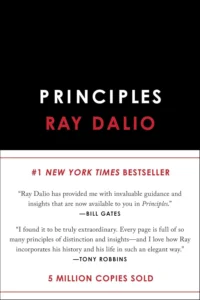
Principles by Ray Dalio is the most Dyrdek book on this list. Dalio built Bridgewater Associates, the world’s largest hedge fund, by codifying every decision into a set of written principles that anyone in the organization could apply. Dyrdek operates the same way. He has created what he calls a “rhythm of existence” document that governs his entire life: how he spends his time, how he manages his health, how he allocates money, how he relates to his family. Every category gets a framework. Every framework gets measured. Dalio wrote the manual for that kind of thinking, and Dyrdek took it further than most people would consider sane.
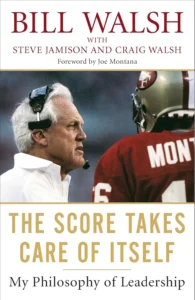
The Score Takes Care of Itself by Bill Walsh is about the former San Francisco 49ers coach who believed that if you set the standard of performance high enough in every small detail, the wins follow without needing to chase them. Dyrdek applies this directly. He does not focus on revenue targets. He focuses on optimizing the process: the production schedule, the daily routine, the decision-making framework. His argument is that if the system is right, the outcomes are inevitable. Walsh proved that in football. Dyrdek is trying to prove it across an entire portfolio of consumer brands.
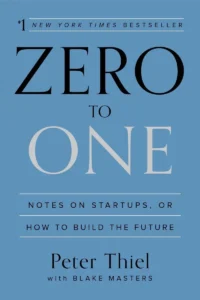
Zero to One by Peter Thiel argues that the most valuable companies create something genuinely new rather than competing in existing markets. Dyrdek Machine is structured around this idea. Instead of investing in other people’s startups, Dyrdek creates his own from scratch, identifies a gap in the consumer market, designs the brand, builds the team, and scales it through a process he has refined over two decades. He is not looking for the next small improvement. He is looking for categories where nothing good exists yet.
Books on entrepreneurship and building businesses Rob Dyrdek recommends
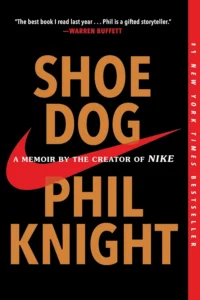
Shoe Dog by Phil Knight is the Nike founder’s memoir, and Dyrdek has a personal connection to the story. He spent years building brands in the sneaker and skateboarding industry, working with DC Shoes during its growth phase. Knight’s story of starting Nike as a side project selling Japanese running shoes out of his car, nearly going bankrupt multiple times, and eventually building one of the most recognizable brands in the world maps onto Dyrdek’s own experience of starting from nothing and scaling through persistence rather than pedigree.
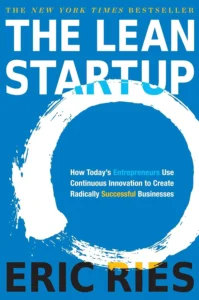
The Lean Startup by Eric Ries is about building businesses through rapid experimentation rather than elaborate planning. Test a minimum viable product, measure what happens, learn from the results, and iterate. Dyrdek Machine works this way. He does not spend years developing a perfect product. He creates a beta version, tests it in the market, and adjusts based on real data. The venture studio model only works if you can move fast and kill ideas that are not working before they consume too many resources.
Purple Cow by Seth Godin argues that in a world of infinite choices, the only products that succeed are the ones remarkable enough to be worth talking about. A purple cow in a field of brown cows gets noticed. Dyrdek’s brands, from skateboarding leagues to consumer products, have always leaned into being distinctive rather than conventional. He does not build generic products. He builds things with a specific point of view, which is why a former skateboarder can compete in categories that have nothing to do with skateboarding.
The Art of War by Sun Tzu is the oldest book on this list and the one that connects most directly to Dyrdek’s competitive mindset. Sun Tzu’s core teaching is not about fighting. It is about positioning: know yourself, know your opponent, and choose engagements where the odds favor you. Dyrdek does not enter crowded markets. He looks for underserved categories where his operational system gives him an advantage. That is not aggression. It is strategic selection, which is what Sun Tzu was actually writing about.
Rob Dyrdek’s books on mindset and personal development
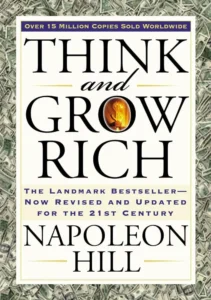
Think and Grow Rich by Napoleon Hill is one of the oldest self-help books in print, and Dyrdek’s relationship with it is worth understanding in context. He has talked openly about watching The Secret, the visualization documentary, during a period when he was burned out and barely breaking even despite his public success. That experience shifted his thinking toward manifestation and belief as practical tools rather than mystical concepts. Think and Grow Rich, written in 1937, makes essentially the same argument with different vocabulary: clarity of desire, persistent focus, and the willingness to act on faith before results arrive. Dyrdek credits this kind of thinking with his transition from grinding TV host to systematic venture builder.
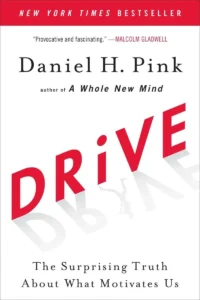
Drive by Daniel Pink argues that autonomy, mastery, and purpose are more motivating than money. Dyrdek restructured his entire life around this framework. He works forty hours a week, which is less than most people at his level of output, because he optimized his time so aggressively that he does not need more. The extra hours go to his family, his health, and his personal development. Pink’s book gave him the language for what he was already discovering through experimentation: you do not need to work more. You need to work on the right things, for the right reasons, with full control over how you do it.
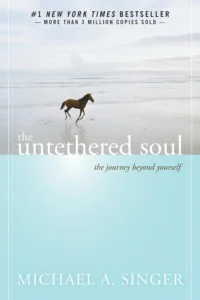
The Untethered Soul by Michael Singer is about releasing the mental patterns that keep you anxious and reactive. Dyrdek meditates every day and has described it as the single most important practice in his life. Singer’s book is the philosophical underpinning for that practice: the idea that you are not your thoughts, that the inner narrator is not you, and that freedom comes from observing your mind rather than being controlled by it. For someone who rates his daily satisfaction on a numerical scale every morning, the ability to step back from emotional noise and assess clearly is not a luxury. It is the operating system.
The unexpected picks on Rob Dyrdek’s reading list
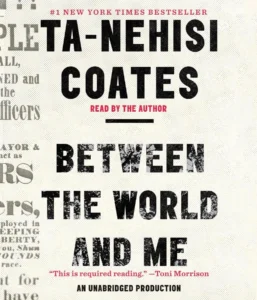
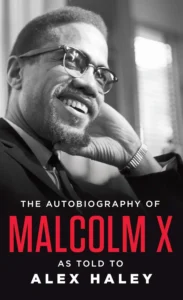
Between the World and Me by Ta-Nehisi Coates and The Autobiography of Malcolm X are the two books on this list that have nothing to do with productivity or business, and they stand out precisely because of that. Coates writes about the experience of living in a Black body in America. Malcolm X writes about reinventing himself from street hustler to prisoner to religious leader to global activist. Dyrdek is a white skateboarder from Ohio who built his career in hip-hop culture and Black-influenced spaces. Recommending these books suggests he has thought about the cultural contexts he has operated in rather than just benefiting from them without reflection.
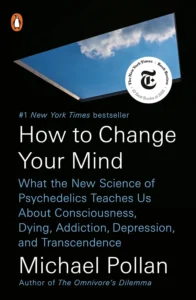
How to Change Your Mind by Michael Pollan is about psychedelic research and what it reveals about consciousness, creativity, and the dissolution of ego. Dyrdek’s interest in meditation, brain training, and self-optimization makes this a natural fit. Pollan’s book is essentially about what happens when the default mode network, the part of the brain responsible for the running narrative of self, goes quiet. Dyrdek spends twenty minutes every morning trying to achieve a version of that same quiet through meditation. Pollan describes what it looks like when the volume gets turned all the way down.
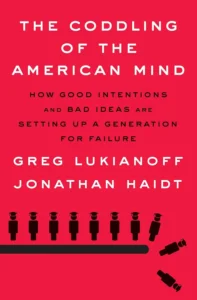
The Coddling of the American Mind by Greg Lukianoff and Jonathan Haidt argues that overprotecting young people from discomfort makes them more fragile, not safer. Dyrdek was a high school dropout who went pro at sixteen and built his first company at eighteen. He was not coddled. He learned through exposure to risk, failure, and real-world consequences. This book resonates with his philosophy that resilience is built through challenge, not through avoidance, and that the best thing you can do for someone is give them hard problems to solve rather than removing the problems entirely.
How Rob Dyrdek’s reading list connects to his life design philosophy
Every book on this list serves a specific function in Dyrdek’s operating system. The Dalio and Walsh books provide the frameworks. The business books provide the strategies. The mindset books provide the inner stability that makes the system run without breaking down. And the unexpected picks provide the outside perspective that keeps the system from becoming a closed loop.
Dyrdek is easy to dismiss if you only know him from MTV. But the reading list tells a different story. This is a person who has engineered every hour of his day, codified his personal values into a written document, built a venture studio that creates companies on a repeatable cycle, and is currently planning what it will mean to be a Dyrdek five hundred years from now. The books are the inputs. The life is the output. And whatever you think of the specific choices he has made, the coherence between what he reads and how he lives is hard to argue with.
