
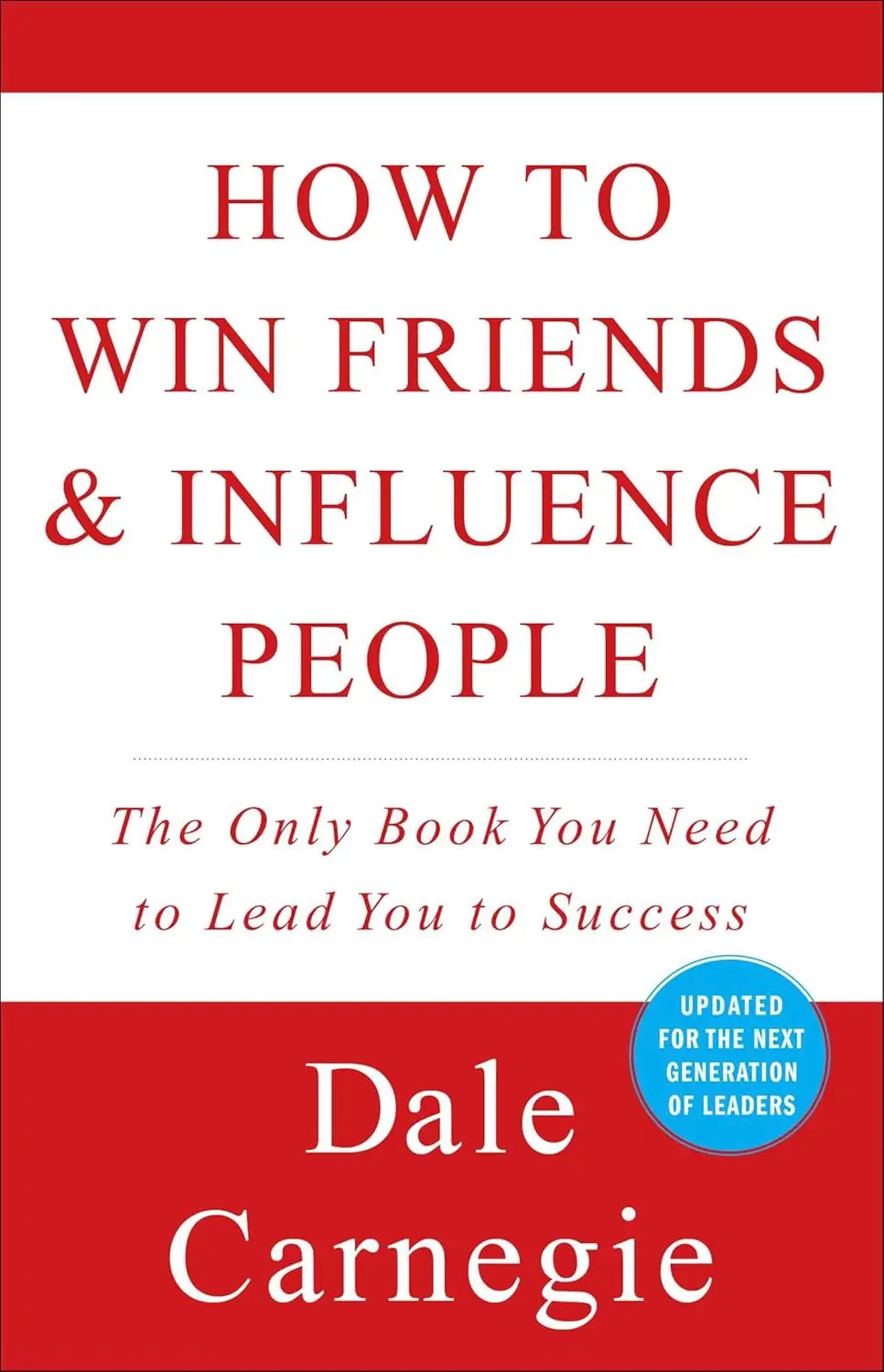
Carnegie’s book has been in print since 1936 and has sold over 30 million copies. It was originally developed from a course Carnegie taught on public speaking and interpersonal skills, and it reads like a course: each chapter presents a principle, illustrates it with anecdotes, and then states it plainly at the end.
The principles are organized into four sections. The first covers fundamental techniques for handling people: do not criticize, give honest appreciation, and frame things in terms of what the other person wants. The second covers how to make people like you: show genuine interest, smile, remember names, listen, and talk about the other person’s interests. The third covers how to win people to your way of thinking without argument: start friendly, get the other person saying yes, let them do most of the talking, and see things from their point of view. The fourth covers how to change people’s behavior without creating resentment: begin with praise, call attention to mistakes indirectly, and make the fault seem easy to correct.
None of this sounds revolutionary. And yet, most people do not follow these principles in practice. They criticize when they should ask questions. They talk about themselves when they should be listening. They argue when they should be finding common ground. Carnegie’s argument is that these are not just nice things to do, they are effective strategies for getting what you want.
For founders, this book is particularly relevant when it comes to hiring, managing teams, negotiating with partners, and selling to customers. The ability to make people feel heard, respected, and valued is a competitive advantage that compounds over time.
The writing style is dated, and some of the historical anecdotes feel quaint by modern standards. The advice can also come across as manipulative if read cynically, though Carnegie’s emphasis on sincerity suggests he was aware of this risk. Despite its age, the book continues to sell because the problems it addresses, how to get along with people, how to persuade without force, have not changed.
