

What Whitney Wolfe Herd’s book recommendations tell you about Bumble’s founder
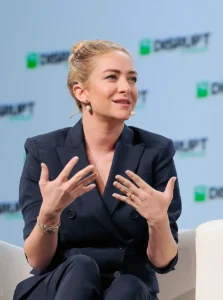
Three books. That is the entire list. Whitney Wolfe Herd has said publicly that she does not read leadership books and leads mostly by intuition, by asking herself how she wants people to feel when they interact with her brand and then building backward from that feeling. In a collection of founders who recommend twenty or thirty books each, her list of three is the most honest statement any of them makes about how they actually operate.
The backstory is worth knowing. Wolfe Herd grew up in Salt Lake City, studied international studies at Southern Methodist University, and co-founded Tinder in 2012, serving as its vice president of marketing. She is credited with naming the app and with the campus-by-campus launch strategy that made it go viral. In 2014, she left Tinder and filed a sexual harassment lawsuit against the company, alleging eighteen months of harassment from a co-founder she had dated. The lawsuit was settled. She was twenty-four.
Within months, she founded Bumble, a dating app where women make the first move. The mechanic was simple: after a match, the woman has twenty-four hours to send the first message or the connection disappears. The idea was to reduce the flood of unwanted messages that women received on every other dating platform. Bumble reached 100,000 downloads in its first month. In February 2021, Wolfe Herd took Bumble public, ringing the Nasdaq bell with her eighteen-month-old son on her hip. At thirty-one, she was the youngest woman to lead a company through an IPO in the United States. She stepped away as CEO in early 2024, returned in March 2025, and is running the company again.
The three books Whitney Wolfe Herd recommends and why they matter
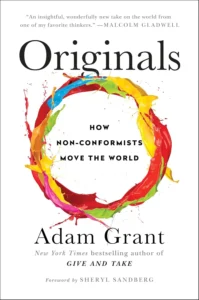
Originals by Adam Grant is about people who challenge the status quo and how they generate, recognize, and champion new ideas. Grant’s research shows that originals are not fearless. They are afraid and they act anyway. They procrastinate strategically. They have bad ideas alongside their good ones. Wolfe Herd left a company she co-founded under brutal circumstances and built a competitor that flipped its core mechanic. She did not do that because she was confident it would work. She did it because the alternative, walking away from the industry entirely, felt worse. Grant’s book validates the messy, uncertain, sometimes terrified version of innovation that Wolfe Herd actually lived through.
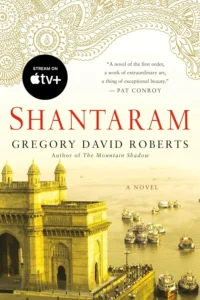
Shantaram by Gregory David Roberts is a sprawling novel about an Australian fugitive who escapes prison and reinvents himself in the slums of Bombay. It is about survival, identity, starting over in a place where nobody knows your history, and building a life from nothing. Wolfe Herd moved to Austin, Texas, in December 2014 to build Bumble, leaving behind the wreckage of her time at Tinder. Shantaram is the book of someone who understands what it feels like to walk away from one life and construct another from scratch.
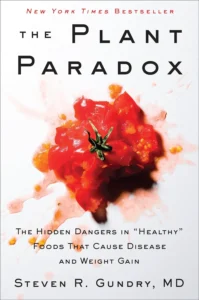
The Plant Paradox by Steven Gundry is a nutrition book about lectins, proteins found in many common foods that Gundry argues cause inflammation and health problems. It is the most personal and least strategic book on this list, and it is here because Wolfe Herd is a person, not just a founder. She has talked about the importance of health and energy management for sustaining the intensity of building a company while raising children. Not every book on a reading list needs to connect to a business philosophy. Sometimes a book is just something that helped someone feel better.
How Whitney Wolfe Herd’s reading list reflects how she leads
Three books, no leadership manuals, no business frameworks. A book about originality for someone who built a company on a single original mechanic. A novel about reinvention for someone who had to reinvent herself publicly at twenty-four. And a health book for someone who knows that none of the rest works if you cannot sustain the energy to show up. This is the reading list of someone who trusts her instincts more than other people’s frameworks, and whose career so far suggests that trust has been well placed.
