
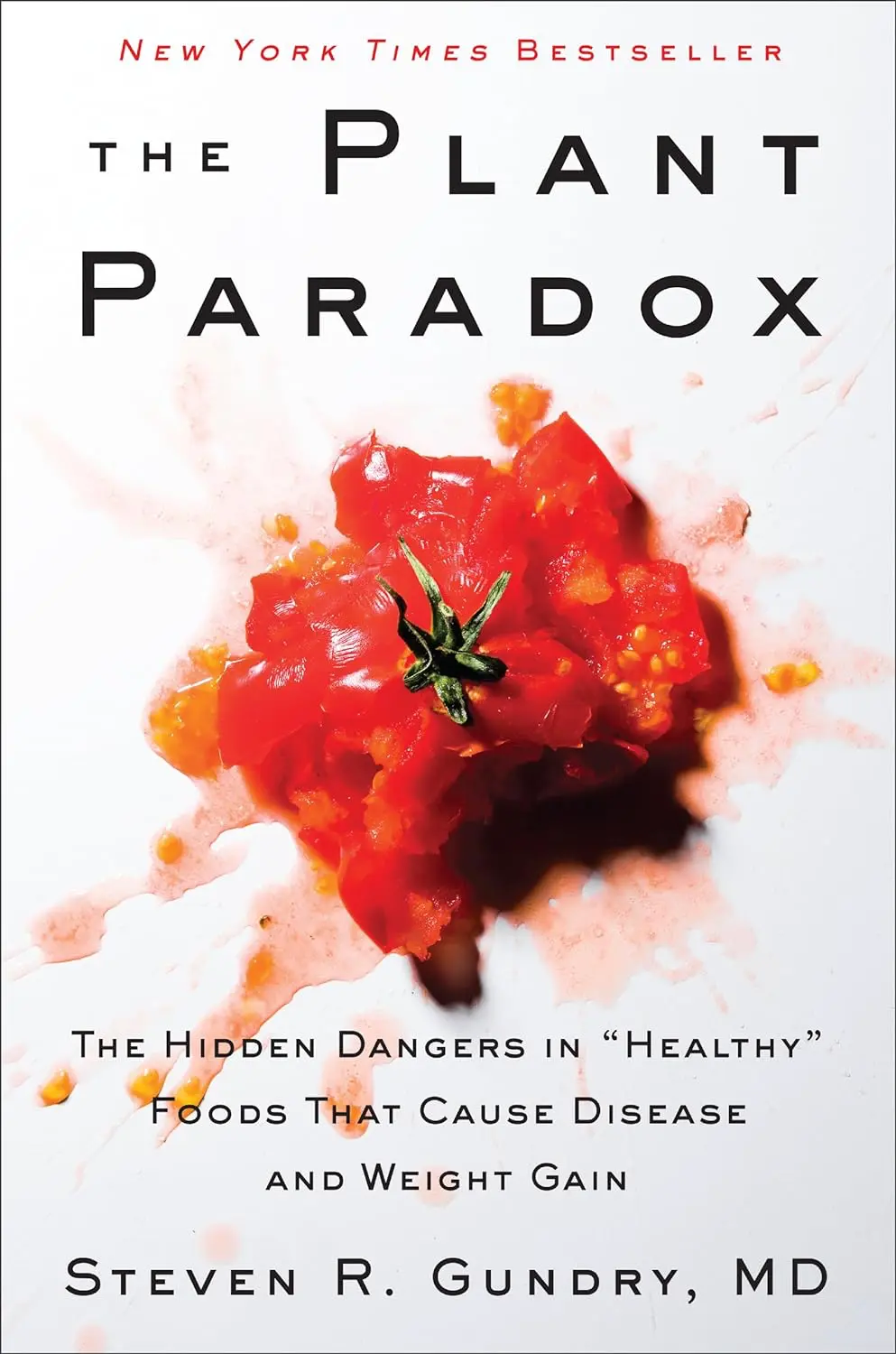
Steven Gundry was a successful heart surgeon and professor at Loma Linda University when he encountered a patient whose severe coronary artery disease reversed after six months of dietary changes and supplements. Gundry became interested in nutrition, eventually leaving surgery to open a restorative medicine clinic. The Plant Paradox is his most widely read book.
The central claim: lectins, a class of proteins that plants produce as part of their defense system against being eaten, are responsible for much of modern chronic disease. Lectins are found in grains, beans, legumes, nightshade vegetables (tomatoes, peppers, eggplants), and many other common foods. Gundry argues that lectins damage the gut lining, trigger inflammation, disrupt hormone signaling, and contribute to conditions ranging from obesity to arthritis to heart disease.
The recommended diet eliminates or minimizes lectin-containing foods. This means no whole wheat, no beans, no peanuts, no tomatoes (unless peeled and deseeded), no cashews, and no conventional corn or soy. Foods that are allowed include pasture-raised meats, wild-caught fish, leafy greens, avocados, olive oil, and certain nuts. Gundry also recommends specific supplements and promotes pressure cooking as a way to reduce lectin content in foods that are otherwise excluded.
The book became a New York Times bestseller and developed a large following among people who found that eliminating lectin-heavy foods improved their symptoms. Gundry is a confident and persuasive writer, and the patient testimonials throughout the book are compelling.
The criticism has been equally strong. Most nutrition researchers argue that the evidence for lectins as a primary cause of chronic disease is weak. The foods Gundry excludes, particularly whole grains and legumes, are associated with reduced disease risk in virtually every large-scale epidemiological study. The Blue Zone populations that Longo and others study as models of healthy aging eat beans and grains daily. The American Heart Association and other mainstream medical organizations do not support lectin avoidance as a dietary strategy.
Gundry has financial interests in supplements and a line of lectin-free products, which critics argue creates a conflict of interest. Whether his dietary recommendations help specific individuals with specific sensitivities is a different question from whether they represent sound general nutrition advice, and the book does not always make that distinction clearly.
The Plant Paradox is worth knowing about because of its influence, not because the science is settled. It has shaped how millions of people think about food, for better or worse.
