
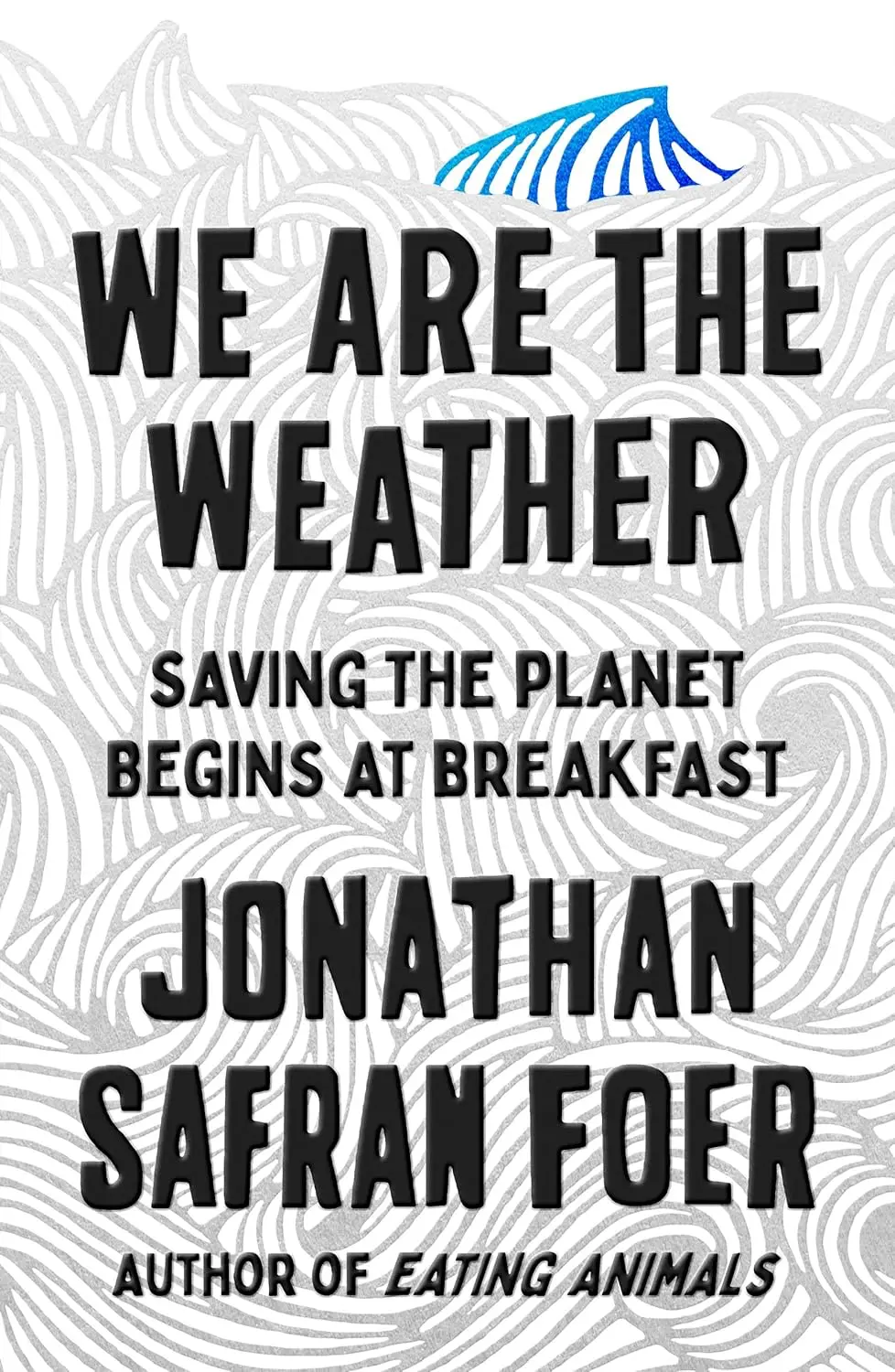
Foer has a problem, and he knows it. He wrote Eating Animals, a book about the horrors of factory farming. He read the research on animal agriculture’s contribution to greenhouse gas emissions. He knows the numbers. And yet he keeps eating meat. Not all the time, but often enough that his own behavior contradicts his stated beliefs.
We Are the Weather is a book about that gap. Not just Foer’s personal gap, but the one that exists in nearly everyone who accepts that climate change is real and dangerous but continues to live more or less the same way they did before they accepted it. Why do people fail to act on information they believe to be true?
Foer’s answer is that climate change, unlike most threats, does not feel like a threat. It is too slow, too diffuse, too statistical. The human brain evolved to respond to immediate danger, not to graphs showing a gradual rise in average temperature. We understand the problem intellectually but cannot feel it in our bodies, so we do not act on it with the urgency it requires.
The book’s concrete proposal is modest to the point of being slightly annoying: eat a plant-based diet before dinner. Not all day. Just until your evening meal. Foer argues that if enough people did this, the reduction in demand for animal products would materially affect emissions. The argument rests on data from the United Nations and various environmental research organizations showing that livestock production accounts for a significant share of global greenhouse gas emissions, deforestation, and water use.
The writing is personal and sometimes erratic. Foer weaves in stories about his grandmother’s survival during the Holocaust, his children’s futures, and his own failures of willpower. He includes a long section structured as a debate between a soul who wants to act and a soul who wants to remain comfortable. This section will either resonate with you or irritate you, depending on your tolerance for literary experimentation in nonfiction.
The book has been criticized for focusing too heavily on individual behavior when systemic change, through policy and industry reform, would have a larger impact. Foer acknowledges this but argues that collective individual action is itself a form of systemic pressure, and that waiting for governments to act is another way of avoiding personal responsibility.
We Are the Weather is shorter and more focused than Eating Animals but shares the same quality of asking questions the author has not fully answered himself.
