
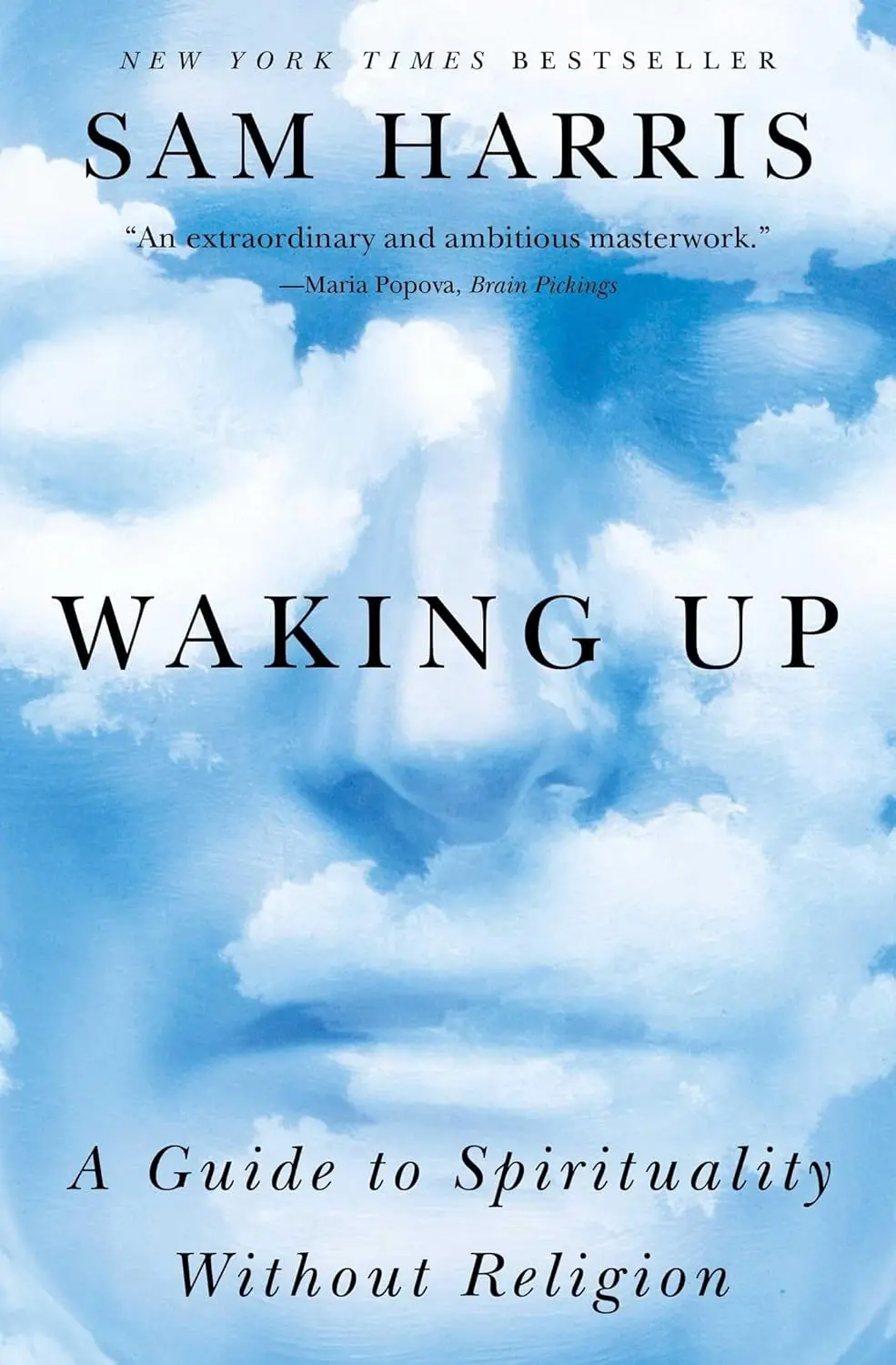
Harris, who has a PhD in neuroscience and a reputation as one of the “New Atheists,” seems like an unlikely author for a book about spirituality. But his argument is that dismissing spiritual experience because organized religion is problematic throws out the baby with the bathwater. The experiences that contemplatives have been describing for thousands of years (the dissolution of the sense of self, a feeling of interconnection, deep states of clarity) are real psychological events with neurological correlates. You do not need to believe in God to have them.
The book is structured around Harris’s own meditation practice, which draws primarily from Dzogchen (a Tibetan Buddhist tradition) and Advaita Vedanta (a Hindu tradition). He describes his experiences studying with teachers in Asia and in retreat, and he explains the neuroscience behind what meditation does to the brain.
The central claim is that the sense of self, the feeling that there is a “you” behind your eyes observing the world, is an illusion that can be seen through with practice. When this happens, what remains is consciousness itself: aware, present, and free of the narrator that usually dominates experience. Harris argues that this insight, which is the goal of most contemplative traditions, is available through secular practice without any religious beliefs.
Harris also covers psychedelics (which can produce similar experiences but without the discipline and integration that meditation provides), the limitations of mindfulness as it is popularly taught, and the risks of guru devotion.
For founders, the practical takeaway is about the value of meditation as a tool for managing the mental chaos that comes with running a company. Harris makes the case more rigorously than most: not through vague appeals to calm and focus, but through specific neuroscience and his own detailed experience.
Tim Ferriss, Naval Ravikant, and Jack Dorsey have all recommended it. At about 240 pages, the book is concise. Harris writes with the precision of a scientist and the conviction of someone who has practiced what he is describing for decades.
