
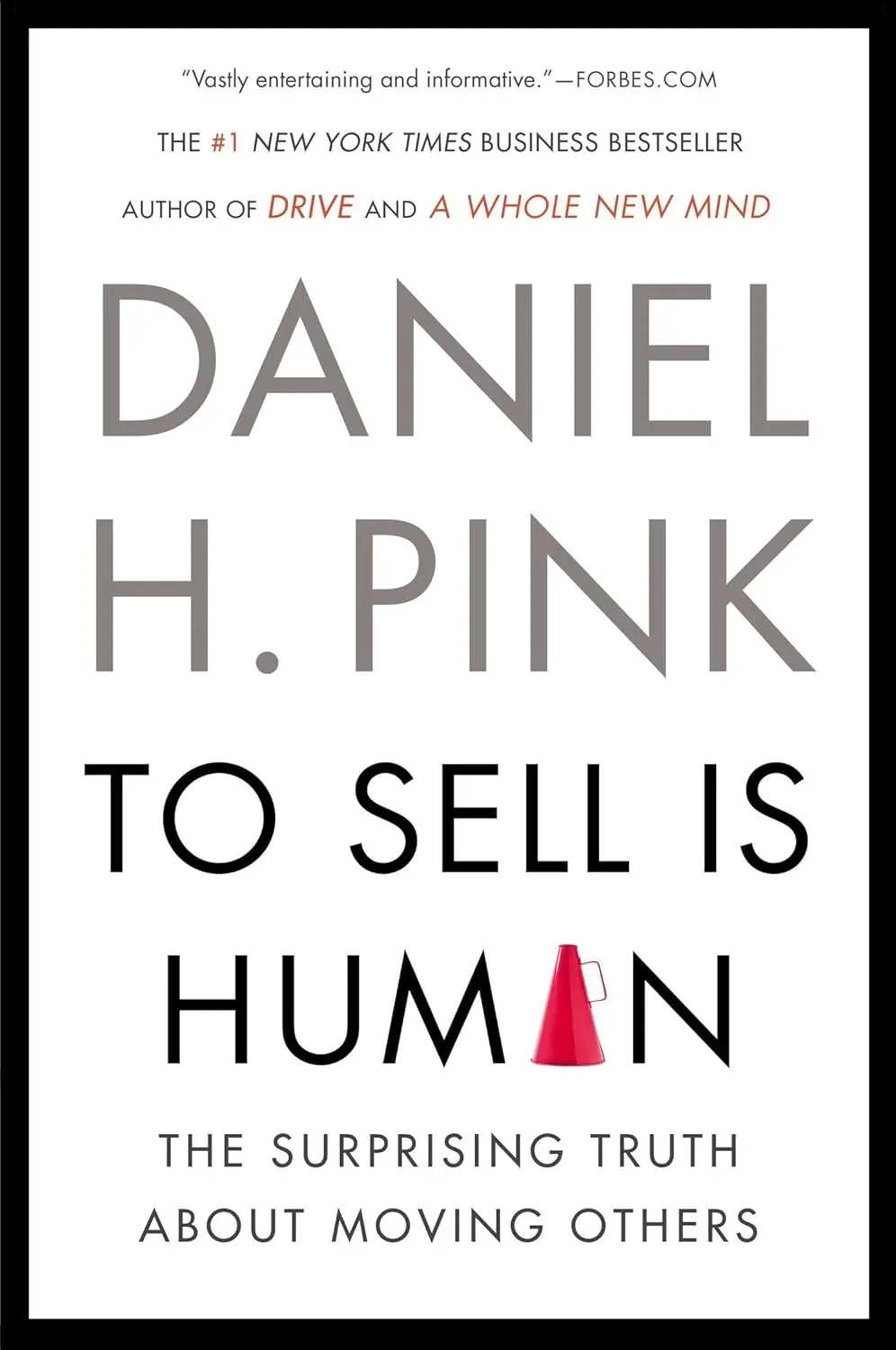
To Sell Is Human starts with a simple observation: even if you don’t work in sales, you spend a large portion of your time persuading, convincing, and influencing people. Pink calls this “non-sales selling,” and his data suggests that people spend about 40% of their working hours on it, whether they’re pitching an idea internally, negotiating with a partner, or trying to get their kids to do homework.
The book is organized into two halves. The first makes the case that selling has fundamentally changed. The old model, built on information asymmetry where the seller knew more than the buyer, has been replaced by a world of information parity. Buyers can look up reviews, compare prices, and check references before they ever talk to you. In this new world, the slick, pushy salesperson is not just annoying but actually less effective than someone who is honest, transparent, and genuinely helpful.
The second half introduces Pink’s updated framework for selling: attunement (understanding other people’s perspectives), buoyancy (staying afloat in a sea of rejection), and clarity (helping people see their situation in a new way, rather than just solving a stated problem). Each section includes specific techniques drawn from social science, including the value of asking questions rather than making statements, why extroverts are actually not the best salespeople (ambiverts are), and how framing options can change decisions.
For founders, who are perpetually selling, to investors, to customers, to prospective hires, the book provides a useful update on how to think about persuasion. The emphasis on clarity is especially relevant: Pink argues that the ability to identify problems people didn’t know they had is now more valuable than the ability to solve known problems.
The writing is clear and well-structured, typical of Pink’s work. Some readers find the “everyone is a salesperson” framing a bit of a stretch, and a few of the techniques feel obvious. But the research is solid and the practical advice is easy to apply.
