
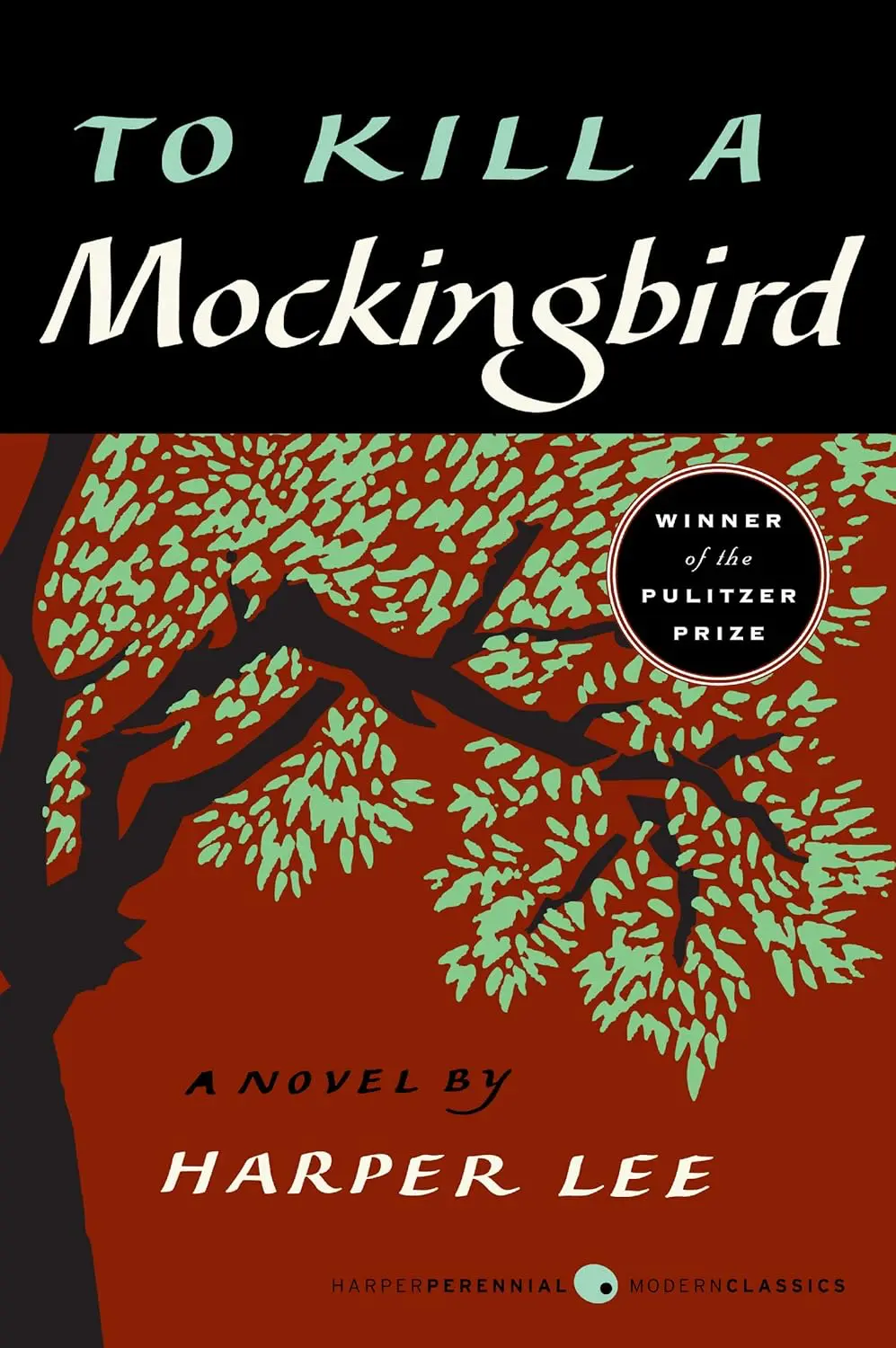
To Kill a Mockingbird is narrated by Scout Finch, a six-year-old girl in the fictional town of Maycomb, Alabama, during the 1930s. Her father, Atticus Finch, is a lawyer appointed to defend Tom Robinson, a Black man accused of assaulting a white woman. The town expects Atticus to go through the motions and lose quietly. Instead, he mounts a real defense, exposes the accusers’ lies, and in doing so, turns the community against his family.
The novel works on two levels. On the surface, it is a coming-of-age story about Scout learning how the world works: that adults can be cruel, that systems can be unjust, and that doing the right thing does not always produce the right outcome. Beneath that, it is a study of moral courage. Atticus knows he will lose the trial. He knows defending Tom Robinson will cost him socially and put his children at risk. He does it anyway because the alternative, letting an innocent man be condemned without a fight, is not something he can live with.
The book does not preach about this. Lee lets the story carry the weight. Atticus does not deliver speeches about justice (except in the courtroom, where it is his job). He teaches by example, and Scout absorbs those lessons the way children absorb things: imperfectly, partially, and then all at once.
For business readers, the connection is not about business strategy. It is about the kind of person you want to be when the pressure is on. Founders face situations where doing the right thing is expensive, unpopular, or risky. Standing up for an employee who is being mistreated, telling a customer the truth when a lie would be easier, walking away from a profitable deal because the terms are wrong: these decisions define character.
The book has sold over 40 million copies and won the Pulitzer Prize in 1961. Oprah Winfrey, Barack Obama, and Bill Gates have named it among their favorites. At about 280 pages, it is a quick read. The prose is warm, funny, and precise. Harper Lee published only one other novel in her lifetime, which gives Mockingbird a singular quality: one book, one story, told right.
