
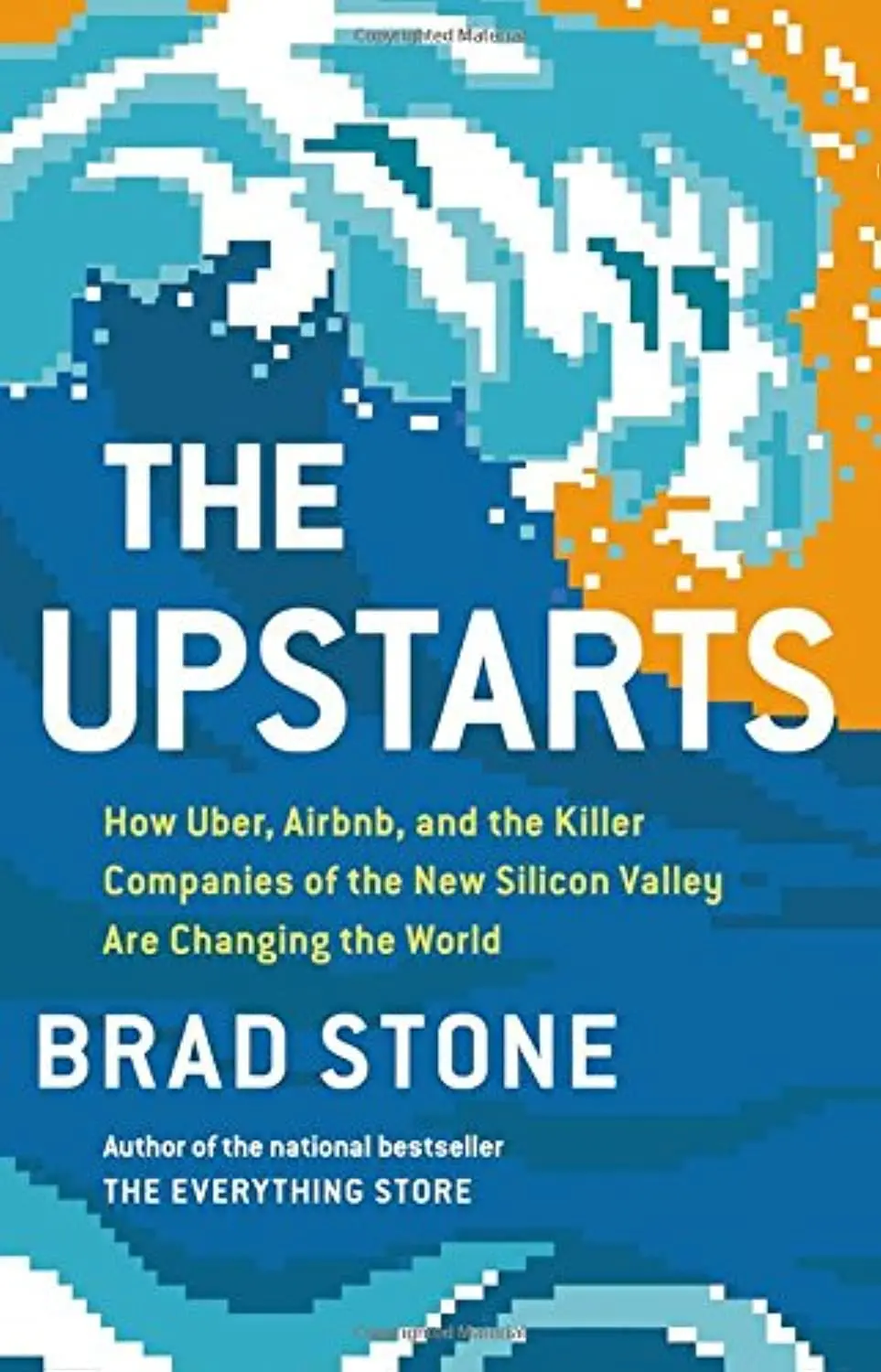
Brad Stone wrote The Everything Store, the definitive account of Amazon’s rise. In The Upstarts, he applies the same deeply reported approach to two companies that defined the next wave of Silicon Valley disruption: Uber and Airbnb.
The two stories run in parallel, and the parallels are striking. Both companies were founded in San Francisco around the same time (Airbnb in 2008, Uber in 2009). Both took an existing resource, spare rooms and private cars, and turned it into a marketplace. Both faced immediate and fierce resistance from the industries they disrupted: hotels and taxi commissions. Both grew through a combination of technological leverage, regulatory arbitrage, and sheer aggression.
Stone had extensive access to both companies and their founders. The Airbnb sections follow Brian Chesky, Joe Gebbia, and Nathan Blecharczyk from their first air mattresses (rented out during a design conference when San Francisco hotels were sold out) through the pivots, rejections, and near-death experiences that preceded the company’s explosive growth. The Uber sections follow Travis Kalanick from his earlier failed startups through the founding of UberCab, the city-by-city battles with taxi regulators, and the internal culture that eventually contributed to Kalanick’s ouster.
The regulatory battles are the book’s strongest material. Stone documents how Uber and Airbnb operated in legal gray zones and often launched in cities without permission, forcing regulators to react to an established service rather than blocking a proposed one. The strategy worked, but it came with costs. Uber’s combative approach to regulators, competitors, and its own drivers created a culture that ultimately became unsustainable. Airbnb’s impact on housing markets became a political issue in cities where short-term rentals reduced the supply of long-term housing.
Stone is fair to both companies without being soft. He documents the vision and the execution alongside the collateral damage. He covers the investors who backed both companies early and the returns they generated, the drivers and hosts whose economic lives were changed (for better and worse), and the city officials who found themselves outmaneuvered by companies that moved faster than regulation could keep up.
Sean Ellis has recommended the book. Published in 2017, it captures the sharing economy at its peak momentum. For anyone building a marketplace business or navigating regulatory friction, The Upstarts is essential reading on how far speed and audacity can take you, and where they stop working.
