
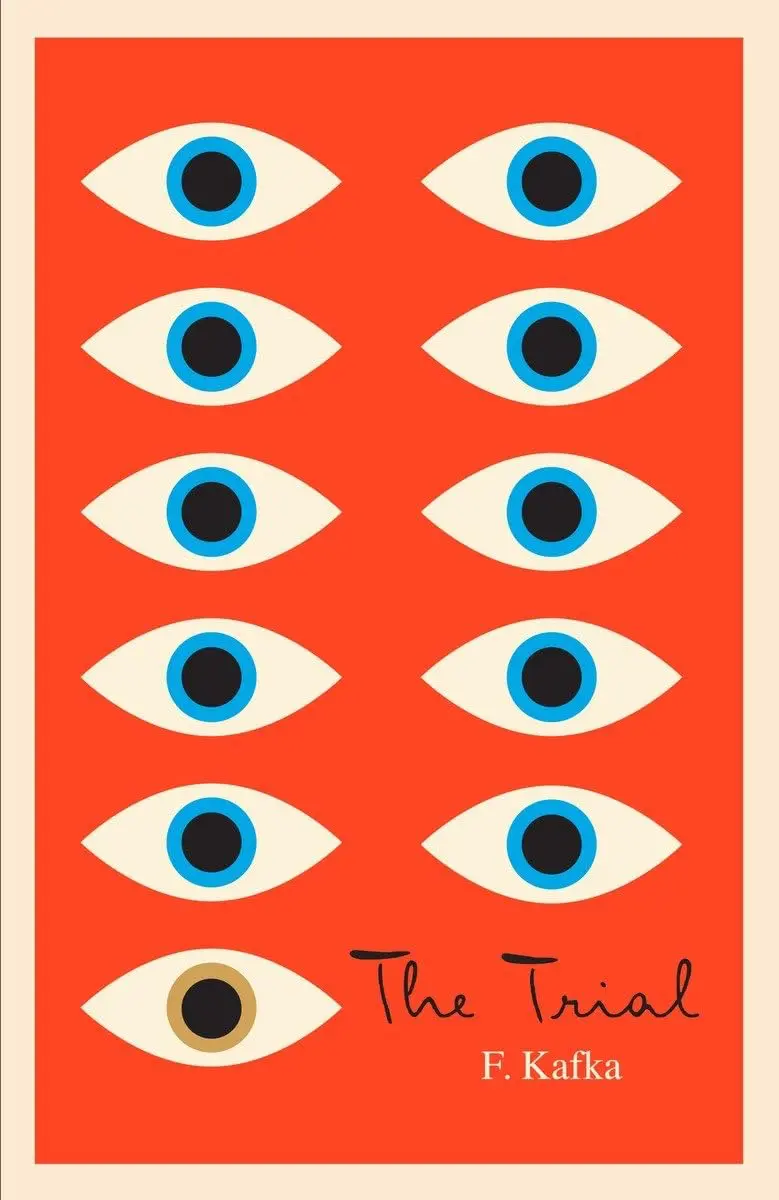
The Trial begins with one of the most famous opening lines in fiction: Josef K. is arrested one morning without having done anything wrong. He is never told what he is charged with. The court that prosecutes him operates in attics, back rooms, and apartments rather than official buildings. The lawyers he hires seem to accomplish nothing. The judges he tries to reach are inaccessible. The entire legal system is opaque, irrational, and yet absolutely binding.
Kafka wrote the novel between 1914 and 1915, and it was published posthumously in 1925 (against Kafka’s wishes; he asked his friend Max Brod to burn his manuscripts). The book was unfinished, and the chapter order has been debated by scholars, but the narrative arc is clear: Josef K. begins by treating the proceedings as a mistake that will be corrected, gradually becomes consumed by the case, and eventually accepts a fate he never understood.
The power of the novel is in its tone. Kafka describes absurd situations in flat, precise, bureaucratic language, which makes them feel both ridiculous and terrifyingly real. The court is a system that demands compliance but offers no explanation, no appeal, and no transparency. Everyone K. meets seems to know more about the system than he does, and everyone advises him to cooperate, but cooperation leads nowhere.
The novel has been read as a critique of bureaucracy, as a parable about guilt and religious judgment, as an anticipation of totalitarianism, and as a portrait of anxiety and depression. All of these readings have merit, which is part of why the book endures.
For founders, who often deal with regulatory systems, legal proceedings, and institutional bureaucracies that feel Kafka-esque (the word exists for a reason), the novel articulates a feeling that business books never capture: the disorienting experience of being subject to systems whose rules you can’t fully grasp and whose outcomes you can’t predict. Reading it won’t solve that problem, but naming it is useful.
The Breon Mitchell translation is considered the most accurate modern English edition. The book is short and reads quickly, though its emotional weight is considerable.
