
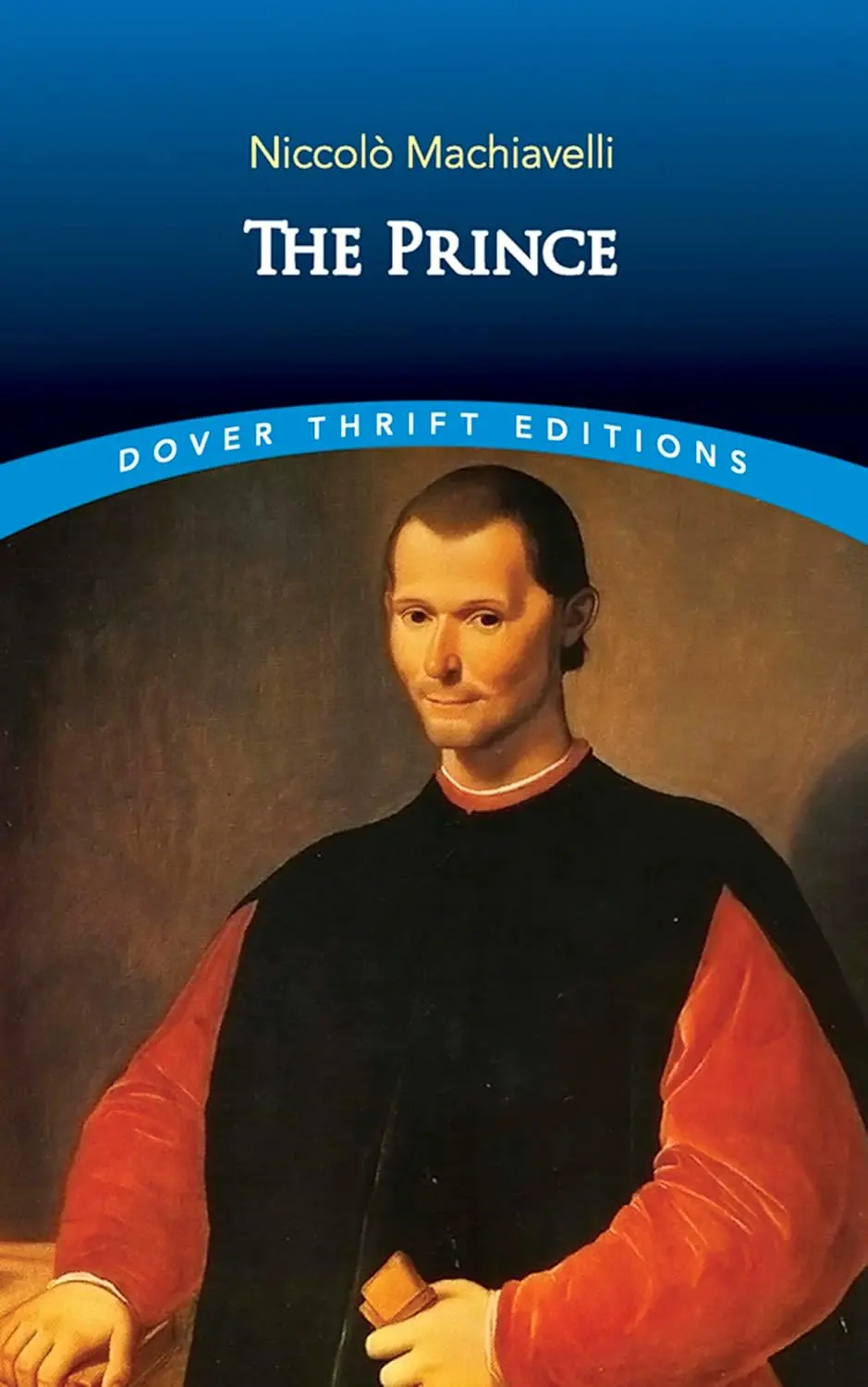
The Prince is a short political treatise Machiavelli wrote in 1513 while exiled from Florence. Addressed to Lorenzo de’ Medici, it is presented as practical advice for a ruler trying to gain and maintain political power. The book’s reputation for amorality comes from Machiavelli’s willingness to describe how power actually works rather than how it should work according to moral philosophy.
Machiavelli’s core argument is that a ruler who wants to survive must learn when to be good and when not to be. He should appear merciful, faithful, humane, and religious, but be prepared to act against those qualities when circumstances require it. The famous line about whether it is better to be feared or loved (better to be feared, Machiavelli says, because fear is more reliable) captures the book’s unsentimental approach to human motivation.
The advice is specific. Machiavelli discusses how to handle conquered territories, how to maintain an army, when to be generous and when to be harsh, how to choose advisors, and how to avoid flatterers. He draws all of his examples from history and contemporary Italian politics, often from the career of Cesare Borgia, whom he admired for his effectiveness if not his character.
For founders, The Prince is often recommended because it deals with the realities of leadership that most business books gloss over. The need to make unpopular decisions, the importance of perception management, the risk of being too generous or too trusting, and the difference between what people say they want and what they actually respond to are all covered with a directness that makes most modern leadership writing seem evasive by comparison.
The book is very short, under 100 pages in most editions, and can be read in an afternoon. The Harvey Mansfield translation is the academic standard; the Tim Parks translation is more accessible. Machiavelli’s name has become a synonym for cynicism, but reading The Prince yourself reveals something more complex: a political thinker who cared deeply about Italy’s future and was willing to look at human nature without illusions in order to understand it.
