
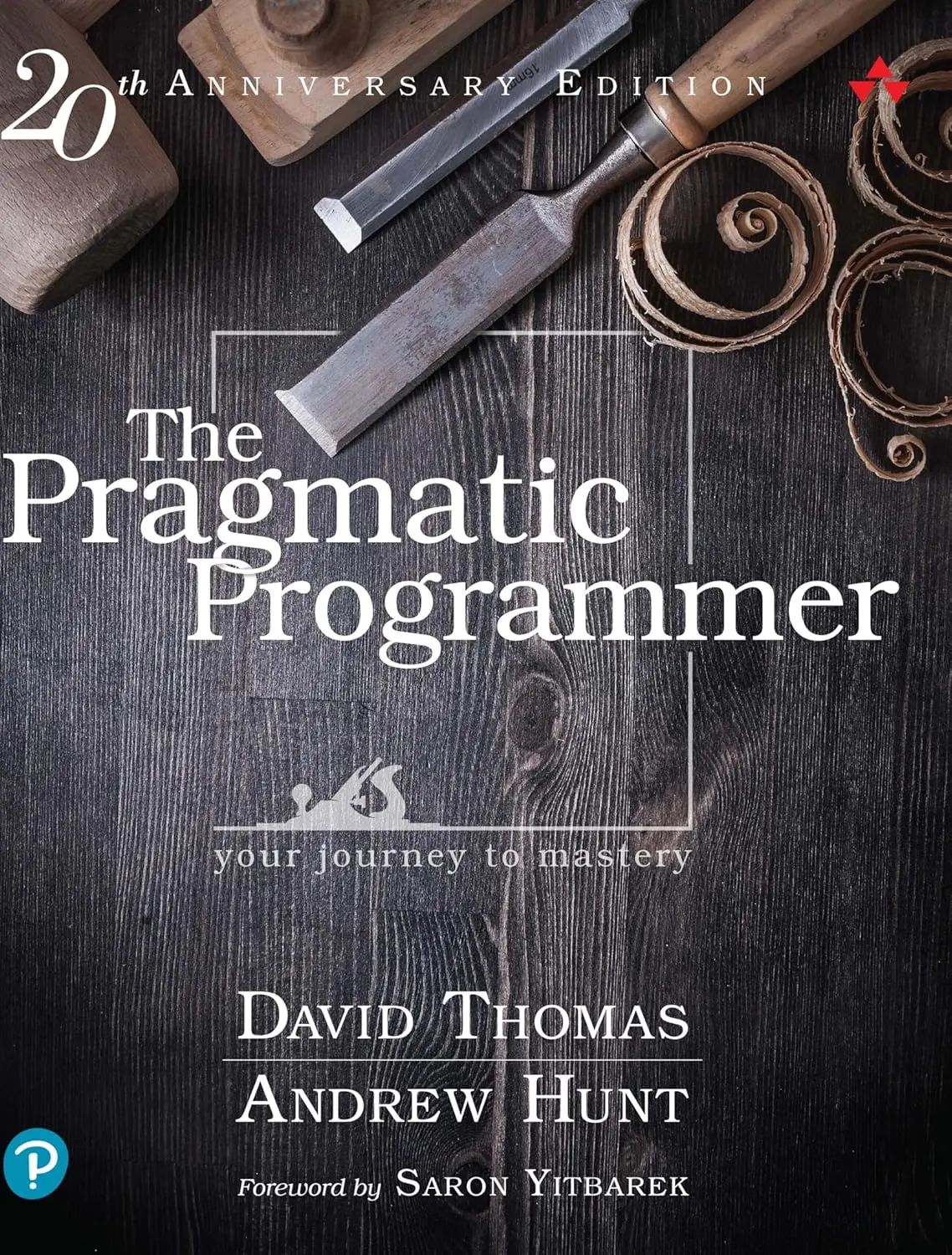
The Pragmatic Programmer was first published in 1999 and became one of the most influential books in software development. The 20th anniversary edition (2019) updates the material while keeping the same structure: short, self-contained sections that each address a specific aspect of being an effective programmer.
The advice spans multiple levels. Technical topics include: DRY (Don’t Repeat Yourself), which argues against duplicating knowledge in code or documentation. Orthogonality, which means designing components that can change independently without affecting each other. Tracer bullets, which means building thin, end-to-end slices of functionality to validate architecture before filling in details. Rubber duck debugging, which means explaining your code to an inanimate object (or a patient colleague) as a way of finding bugs.
Professional topics include: taking responsibility for your work and your career. Communicating effectively with non-technical stakeholders. Managing expectations (underpromise, overdeliver). Investing in your own learning continuously. Caring about the quality of your work not because someone is watching but because it is your craft.
Thomas and Hunt write with clarity and occasional humor. The sections are short enough to read in a few minutes, which makes the book work as a reference you return to throughout your career. The concepts are language-agnostic, which is part of why the book has lasted over two decades while specific technologies have come and gone.
For founders who code, or who manage developers, the book provides principles that improve both individual output and team dynamics. The emphasis on craftsmanship, on caring about the quality of the work itself, creates a standard that cascades through a team.
The 20th anniversary edition includes new material on concurrency, security, and modern development practices. At about 350 pages, it is comprehensive. The modular format means you can read it in any order and return to specific sections as needed.
