
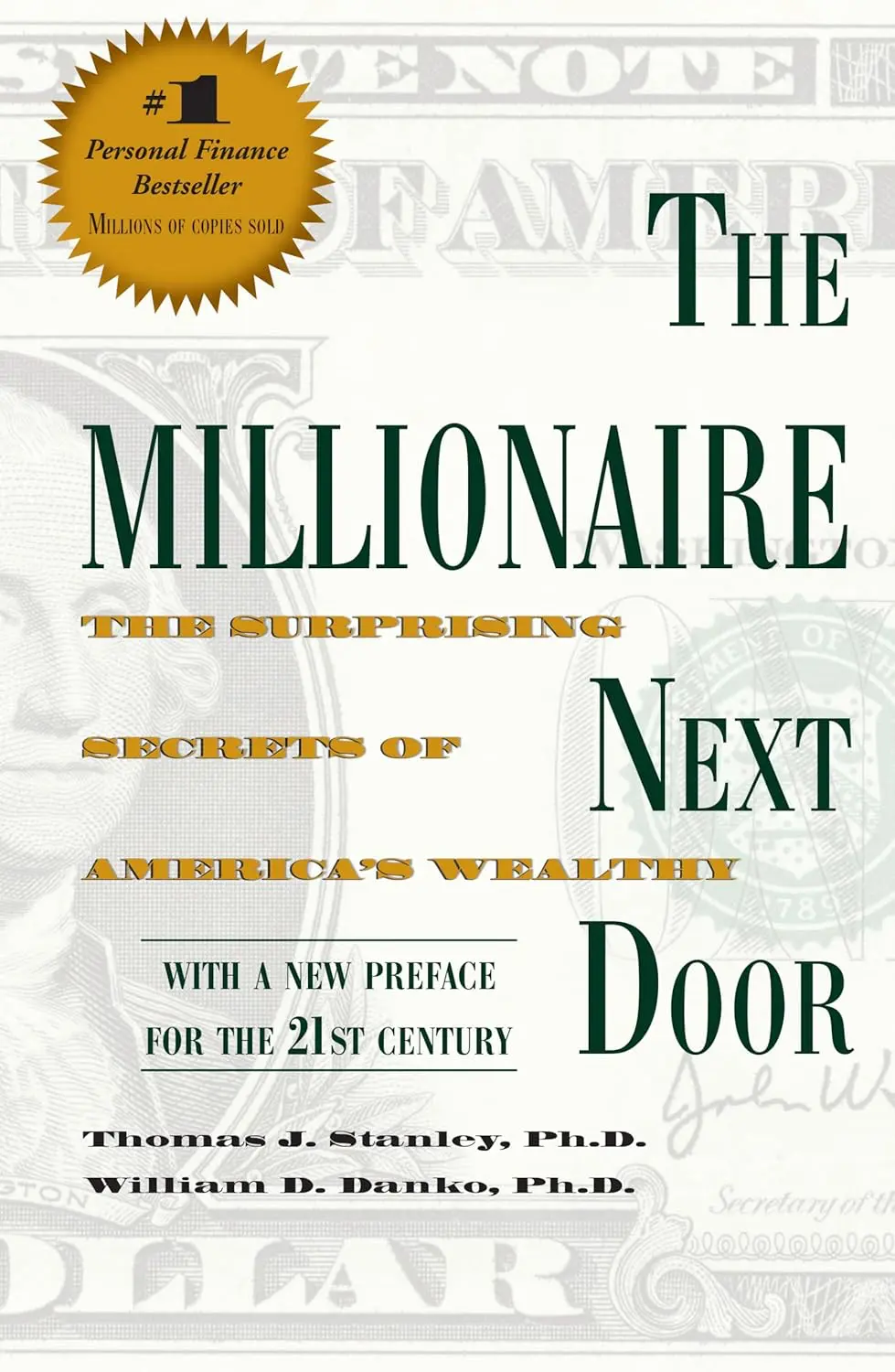
The Millionaire Next Door is based on two decades of research by Thomas Stanley and William Danko into the habits and characteristics of American millionaires. Their central finding runs against the popular image of wealth: most millionaires are not flashy spenders with high-profile careers. They are business owners, often in unglamorous industries, who accumulated wealth by spending far less than they earned, investing consistently, and avoiding the lifestyle inflation that erodes most high earners’ net worth.
Stanley and Danko divide the population into two categories: PAWs (Prodigious Accumulators of Wealth) and UAWs (Under Accumulators of Wealth). PAWs have a net worth well above what you’d expect given their income. UAWs earn well but have little to show for it because they spend on status symbols. The book profiles both types and traces the specific behaviors that separate them.
The findings are specific and sometimes surprising. Most millionaires in the study drove domestic cars, many of them used. They bought suits off the rack. They lived in middle-class neighborhoods. They spent a lot of time budgeting and planning their finances. Their spouses were typically also frugal. And many of them were first-generation wealthy, having built their own businesses rather than inheriting money.
For founders, the book offers a useful counterpoint to the startup culture of burning cash and living large as a signal of success. Stanley and Danko’s research suggests that the founders most likely to build lasting personal wealth are the ones who maintain frugal habits even as their income grows, and who treat their business as a wealth-building vehicle rather than a source of lifestyle spending.
The book was published in 1996 and some of the dollar amounts are dated. The methodology has also been criticized for survivorship bias, since it studies people who successfully accumulated wealth without controlling for those who tried the same approach and failed. Still, the core insight that real wealth is built through discipline rather than display has held up well and remains relevant.
