
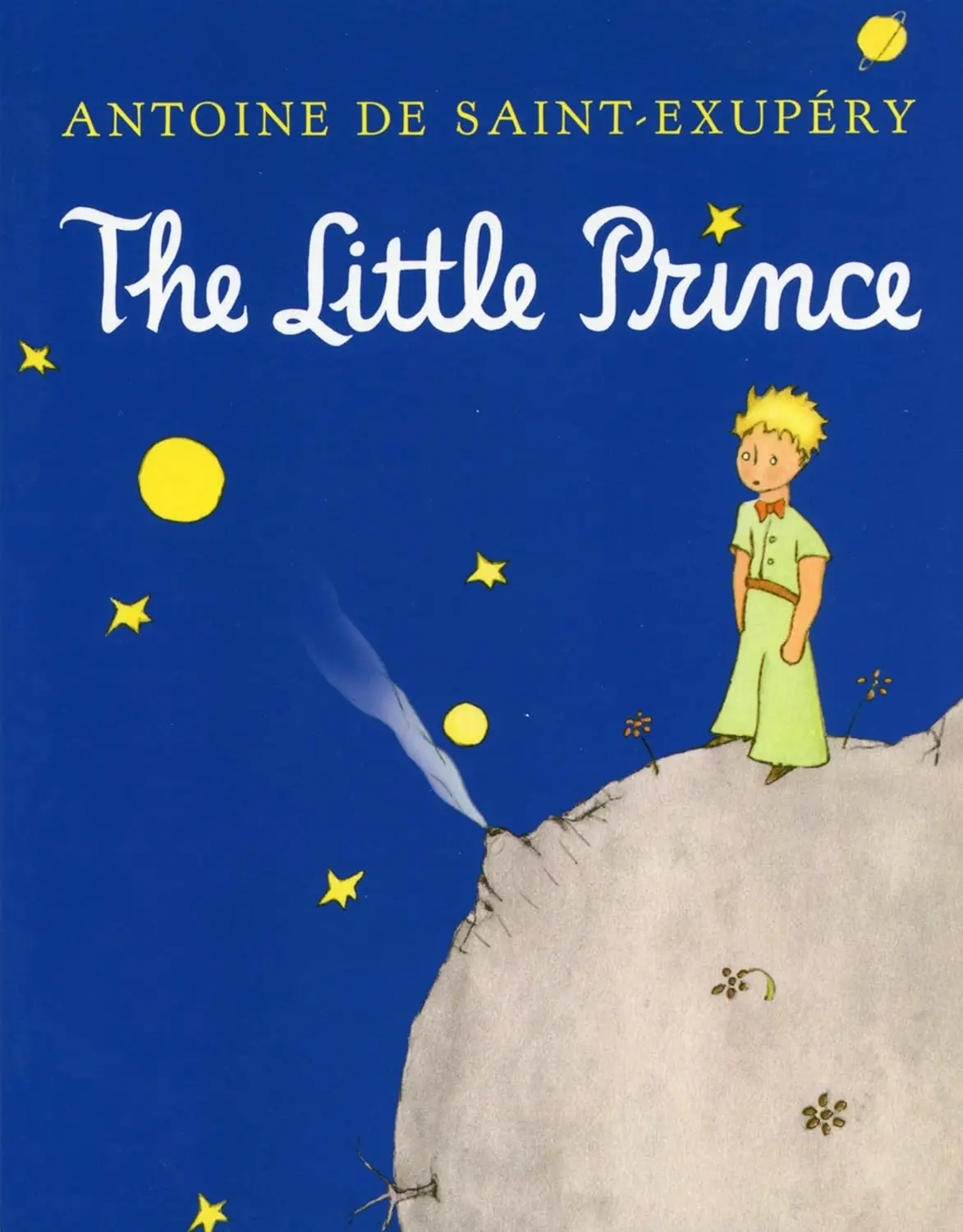
The Little Prince tells the story of a pilot who crashes in the Sahara desert and meets a boy who has traveled from a tiny asteroid. The prince has left his home, and the single rose that grows there, because he doesn’t understand love well enough to stay. He travels from planet to planet, meeting adults who are each consumed by a single obsession: a king who rules nothing, a vain man who wants only applause, a drunkard, a businessman who counts stars he believes he owns, a lamplighter, and a geographer. Each encounter satirizes a specific type of adult foolishness.
On Earth, the prince meets a fox, who teaches him the book’s most quoted lesson: “One sees clearly only with the heart. What is essential is invisible to the eyes.” The fox explains that the prince’s rose is special not because it is the only rose in the world, but because the prince has invested time and care in it. This idea, that relationships are made meaningful through the act of tending to them, is the philosophical center of the book.
Saint-Exupery wrote and illustrated The Little Prince in 1943, while living in exile in New York during World War II. The book carries the weight of that context. The pilot-narrator is clearly a version of Saint-Exupery himself, and the sadness that runs beneath the whimsy reflects the real losses he had experienced by that point in his life.
For founders and business readers, the book’s message about what matters is the opposite of what most business books teach. The businessman on Asteroid 325 who spends his time counting stars and claiming to own them is a portrait of accumulation without purpose. The prince’s relationship with his rose is about the opposite: the value that comes from choosing to care for something specific and sticking with it.
The book has been translated into over 300 languages. Most English editions include Saint-Exupery’s original watercolor illustrations, which are as much a part of the work as the text. It takes about an hour to read, and the simplicity of the language is deceptive. Adults tend to find different things in it each time they return.
