
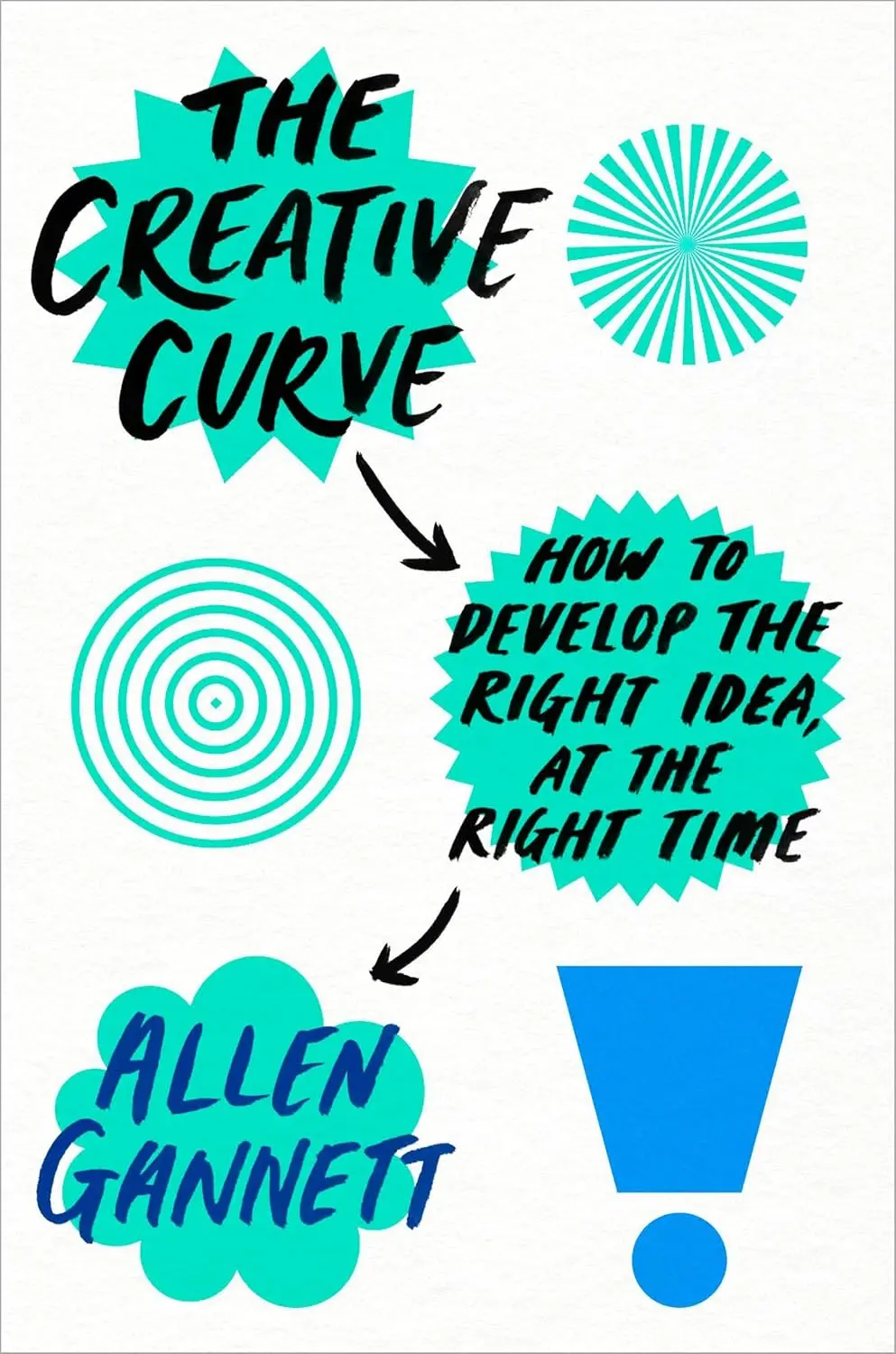
The myth of the creative genius is one of the most persistent stories our culture tells. Mozart composed by divine gift. Steve Jobs had an intuitive sense for products. Great artists channel something ineffable. Allen Gannett thinks this is mostly nonsense, and he has the research to argue the point.
The Creative Curve presents a model: the relationship between familiarity and preference follows a bell curve. People prefer things that are familiar enough to feel safe but novel enough to feel interesting. Too familiar, and something is boring. Too novel, and it is confusing. The sweet spot, the peak of the curve, is where creative hits live. Understanding this curve, Gannett argues, is the key to producing work that resonates.
Gannett interviewed successful creators across fields: Netflix showrunners, bestselling authors, hit songwriters, viral content producers. He found that none of them relied on sudden inspiration. Instead, they consumed enormous amounts of existing work in their field (building familiarity with what the audience already knows), identified patterns in what was working (spotting where the curve was moving), and then produced work that pushed slightly beyond the familiar without breaking from it entirely.
The book identifies four specific practices. Consumption: immersing yourself in the existing work of your field for at least twenty percent of your working time. Imitation: deliberately copying techniques from creators you admire, not to plagiarize but to internalize their approaches. Creative communities: surrounding yourself with other creators who provide feedback and challenge your assumptions. Iterations: producing many versions and testing them, rather than waiting for a single perfect idea.
Gannett backs each practice with research from psychology and neuroscience, particularly the work of Dean Simonton on creative productivity and the ten-year rule (the observation that most creative breakthroughs come after roughly a decade of deliberate practice in a domain).
The writing is accessible and moves quickly. Gannett is a first-time author and occasionally reaches for conclusions that are stronger than his evidence supports. The framework is more useful as a corrective to the genius myth than as a precise engineering process. Creativity is still messy, and the book risks making it sound more systematic than it actually is. But the central point, that creative success is less about inspiration and more about pattern recognition and deliberate practice, is well supported and worth absorbing.
