
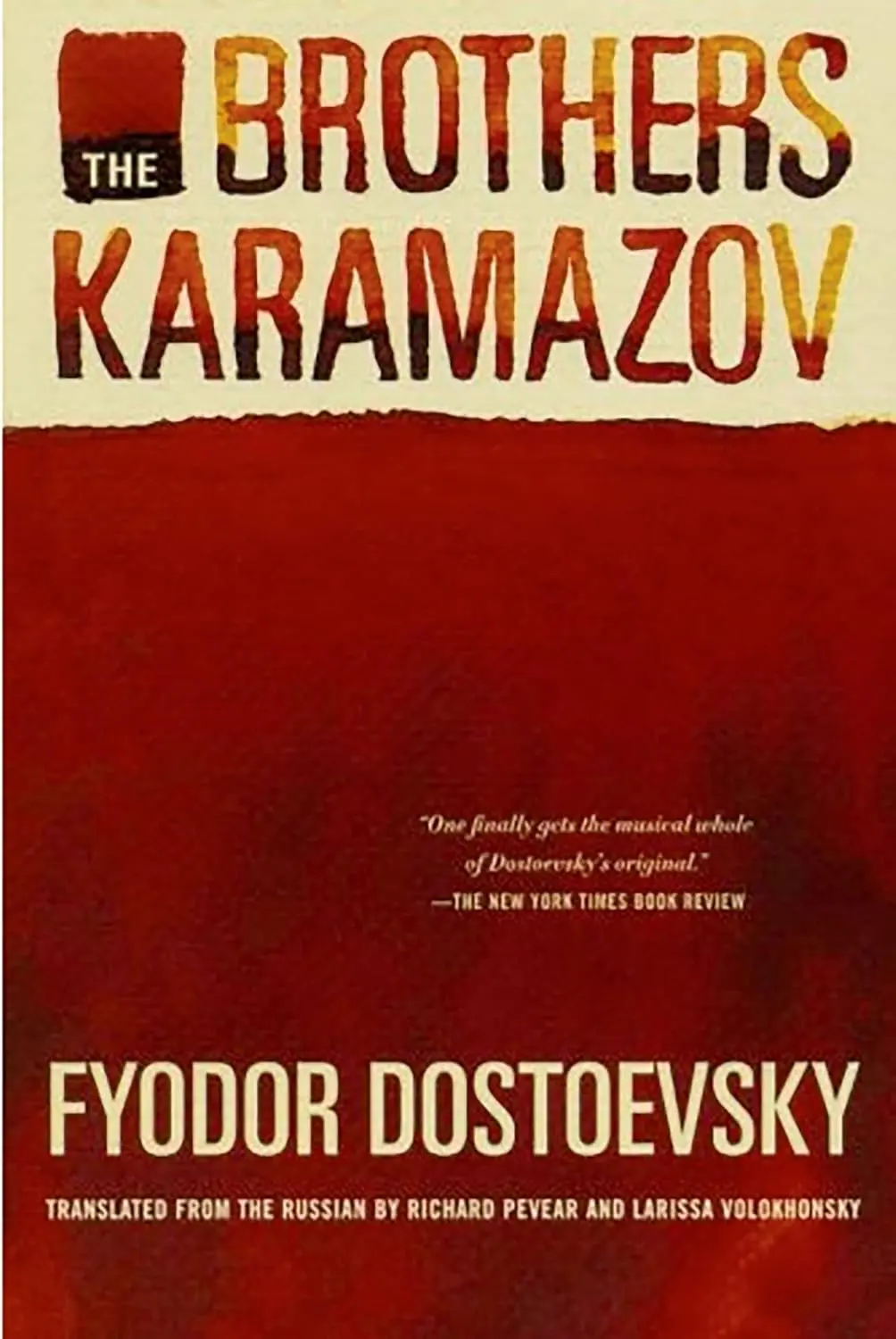
The Brothers Karamazov is Dostoevsky’s last and most ambitious novel, published in 1880. It follows the Karamazov family: the father Fyodor, a selfish and dissolute old man, and his three legitimate sons. Dmitri is passionate and impulsive, driven by appetite and emotion. Ivan is intellectual and skeptical, tormented by philosophical questions he cannot resolve. Alyosha is gentle and devout, drawn to the monastery and the teachings of the elder Zosima. There is also a possible fourth brother, Smerdyakov, the epileptic servant who may be Fyodor’s illegitimate son.
The plot centers on the murder of the father, but the novel is really about the questions that surround the crime. The trial of Dmitri, who is charged with the murder, forces every character to confront what they believe about justice, guilt, and responsibility. Dostoevsky uses the courtroom as a stage for competing philosophies of human nature.
The Grand Inquisitor chapter, a story-within-the-story told by Ivan, is one of the most discussed passages in world literature. In it, Christ returns to Earth during the Spanish Inquisition and is arrested by the Cardinal Grand Inquisitor, who explains why the Church no longer needs Christ and why humanity prefers authority and bread to freedom. The chapter works as a standalone philosophical essay and has been analyzed by theologians, philosophers, and political theorists for over a century.
For founders and ambitious readers, the book is about responsibility in the deepest sense. Every character in the novel is forced to answer the question: what are you responsible for, and what happens when you refuse that responsibility? Dostoevsky’s answer is that refusing moral responsibility doesn’t make the consequences go away. It just makes you complicit in a different way.
The Pevear and Volokhonsky translation is generally recommended for modern readers. The book is long and demands patience, especially in the monastery sections early on. But the courtroom scenes, the family confrontations, and the philosophical dialogues are among the best things ever written in any language.
