
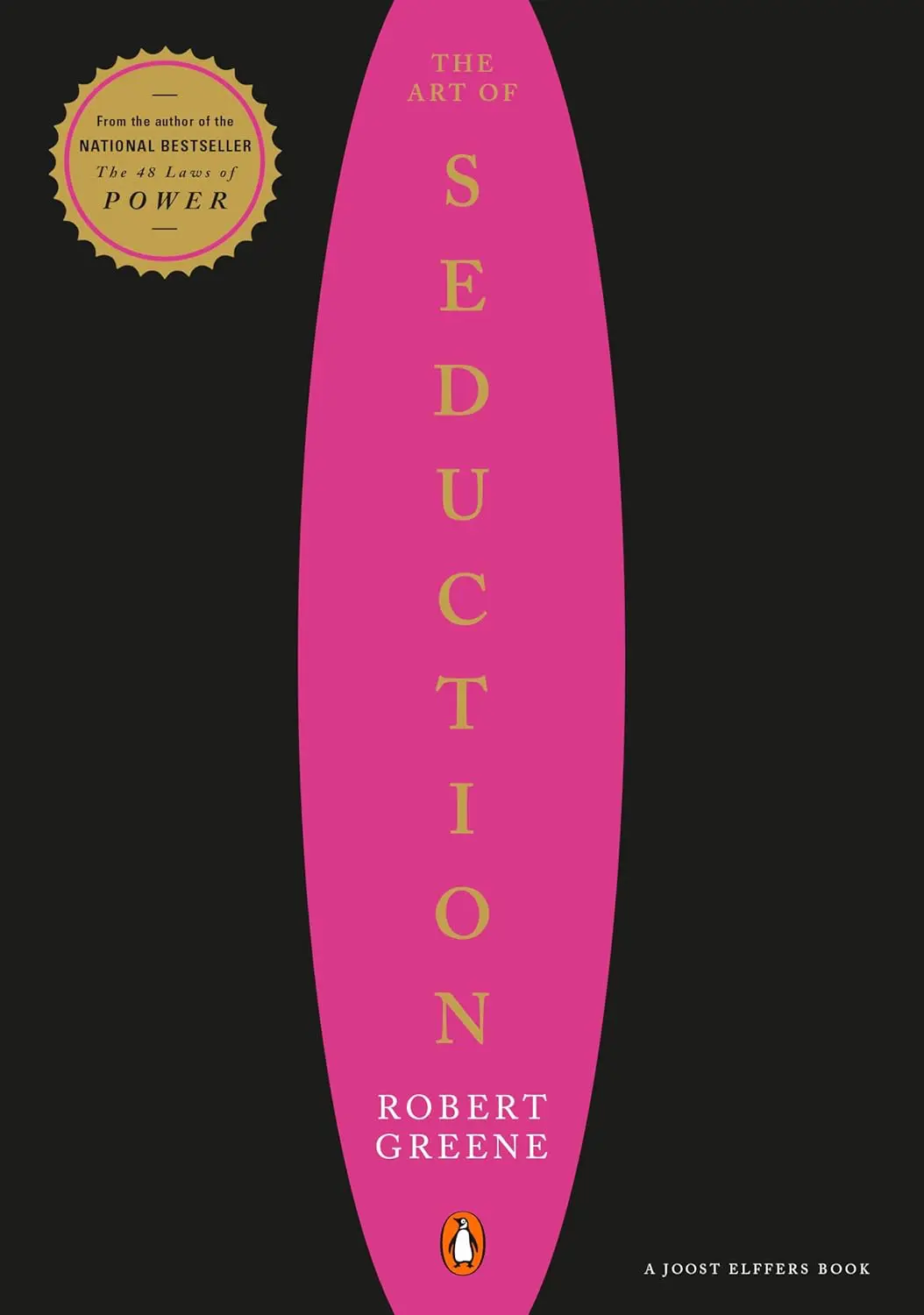
The Art of Seduction is Robert Greene’s second book, and despite the title, it is less about romance than it is about the psychology of influence. Greene’s argument is that seduction, broadly defined, is the most effective and subtle form of power available, and that understanding its mechanics gives you an edge in almost any area of life.
The first half of the book profiles nine seductive character types: the Siren, the Rake, the Ideal Lover, the Dandy, the Natural, the Coquette, the Charmer, the Charismatic, and the Star. Greene draws from historical and cultural figures to flesh out each type, from Cleopatra and Casanova to Josephine Bonaparte and John F. Kennedy. The profiles are detailed and psychologically rich, exploring what makes each type effective and what weaknesses come with each approach.
The second half outlines 24 strategies for the seduction process itself, organized into phases: creating interest, building tension, deepening the connection, and closing. Greene treats the process like a campaign, with each move building on the one before it.
For business-minded readers, the book is more relevant than it might appear at first glance. Many of the strategies deal with capturing attention, creating desire, and maintaining interest, which are the same challenges faced by anyone selling a product, pitching to investors, or building a brand. Greene’s analysis of how charismatic leaders and cultural figures held public attention translates directly into thinking about marketing, branding, and persuasion.
The book is long and deliberately provocative. Greene writes in an amoral, observational style that some readers find uncomfortable. But for those willing to separate the tactical insights from the dramatic historical framing, The Art of Seduction offers a genuinely original perspective on how influence works at a psychological level. It pairs well with The 48 Laws of Power and is worth reading for the historical profiles alone, even if you skip the strategic framework entirely.
