
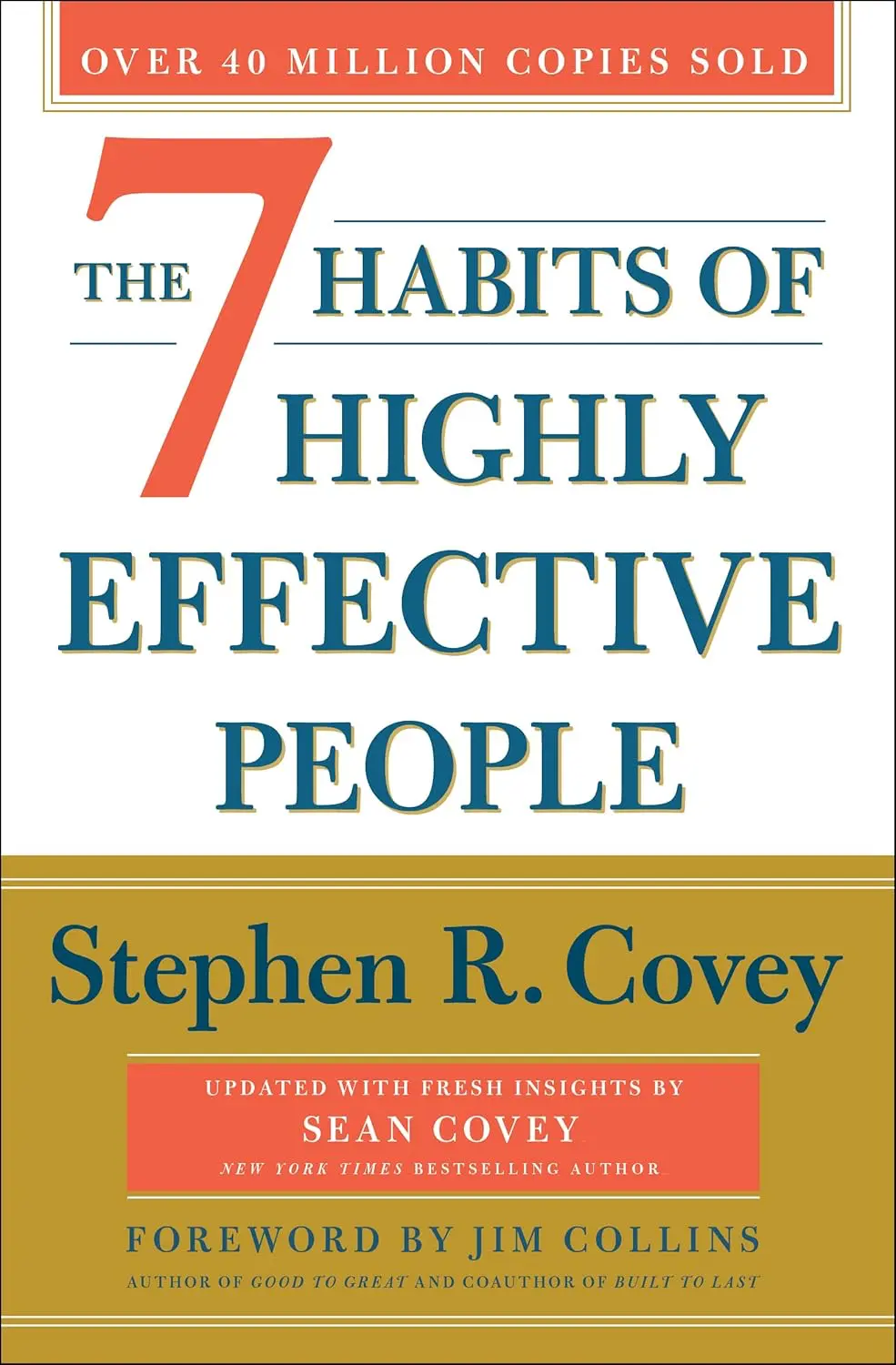
The 7 Habits has sold over 40 million copies and influenced an entire generation of management thinking. Covey organizes the habits in a deliberate sequence. The first three habits (be proactive, begin with the end in mind, put first things first) address personal effectiveness. You cannot work well with others if you cannot manage yourself. The next three habits (think win-win, seek first to understand then to be understood, synergize) address interpersonal effectiveness. The seventh habit (sharpen the saw) covers self-renewal across physical, mental, spiritual, and social dimensions.
The most widely applied concept is probably “begin with the end in mind,” which Covey uses to mean defining your own principles and long-term goals before making daily decisions. He suggests writing a personal mission statement as an anchor for decision-making, similar to how companies use mission statements but applied to an individual life.
“Seek first to understand, then to be understood” is the interpersonal habit that gets the most attention in business contexts. Covey’s argument is that most people listen with the intent to reply, not to understand. They are formulating their response while the other person is still talking. Truly listening, what Covey calls “empathic listening,” requires setting aside your own agenda temporarily and trying to see the situation from the other person’s frame.
The book is thorough. Each habit gets its own section with explanations, examples, and exercises. Covey’s writing style is earnest and sometimes leans toward motivational, which appeals to some readers and puts others off. The content is more substantive than the tone might suggest.
For founders, the habits that transfer most directly are: be proactive (take responsibility rather than reacting to events), put first things first (distinguish between what is urgent and what is important, and do the important things first), and think win-win (look for agreements that benefit both parties rather than treating every negotiation as zero-sum).
Leila Hormozi has recommended it. At about 380 pages, the book is comprehensive. It reads best when taken one habit at a time with space to reflect between chapters. The ideas are not new in the sense that Covey invented them, but the framework for organizing them into a sequence of personal development is well-constructed.
