
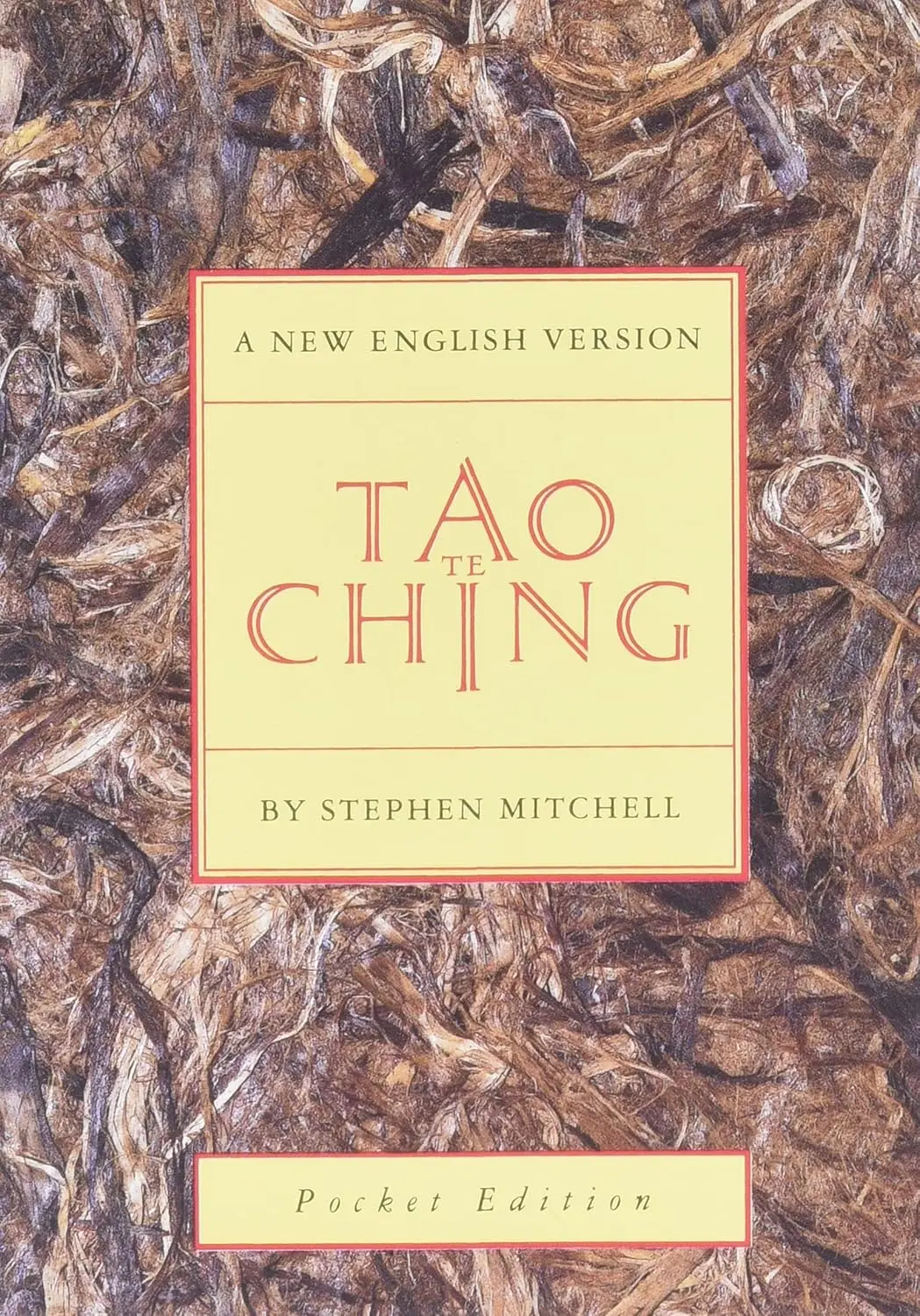
The Tao Te Ching is attributed to Lao Tzu, a Chinese philosopher who may or may not have existed as a historical figure. The text consists of 81 brief chapters, most under a page, written in a style that is half poetry, half aphorism. It is one of the most translated texts in history, and different translations can make it feel like different books entirely.
The central concept is the Tao, which translates roughly as “the way” but resists precise definition. Lao Tzu suggests that the Tao that can be described in words is not the real Tao. This is not mystical obscurantism. It is a claim that reality is more complex than language can capture, and that the attempt to pin everything down with definitions creates a false sense of understanding.
The chapters on leadership are the most cited in business contexts. Lao Tzu describes the best leaders as those whose people barely know they exist. When the work is done, the people say “we did it ourselves.” This is a description of what modern management theory calls servant leadership or empowerment, but stated 2,500 years earlier and more concisely.
Other themes include the power of softness over hardness (water wears away stone), the danger of overreach (the harder you grip, the less you hold), and the value of emptiness (a cup is useful because of the space inside it, not the material around it). These ideas are paradoxical by design. They are meant to disrupt habitual thinking patterns.
For founders, the Tao Te Ching works best as a counterweight to the intensity and control that running a company demands. It does not replace strategic thinking. It reminds you that not every problem requires force, that sometimes the best action is to wait, and that the urge to control everything is itself a problem.
Tim Ferriss, Jack Dorsey, and Naval Ravikant have all recommended it. The Stephen Mitchell translation is the most popular modern English version. At about 100 pages, the book is physically small. The ideas inside it are not.
