
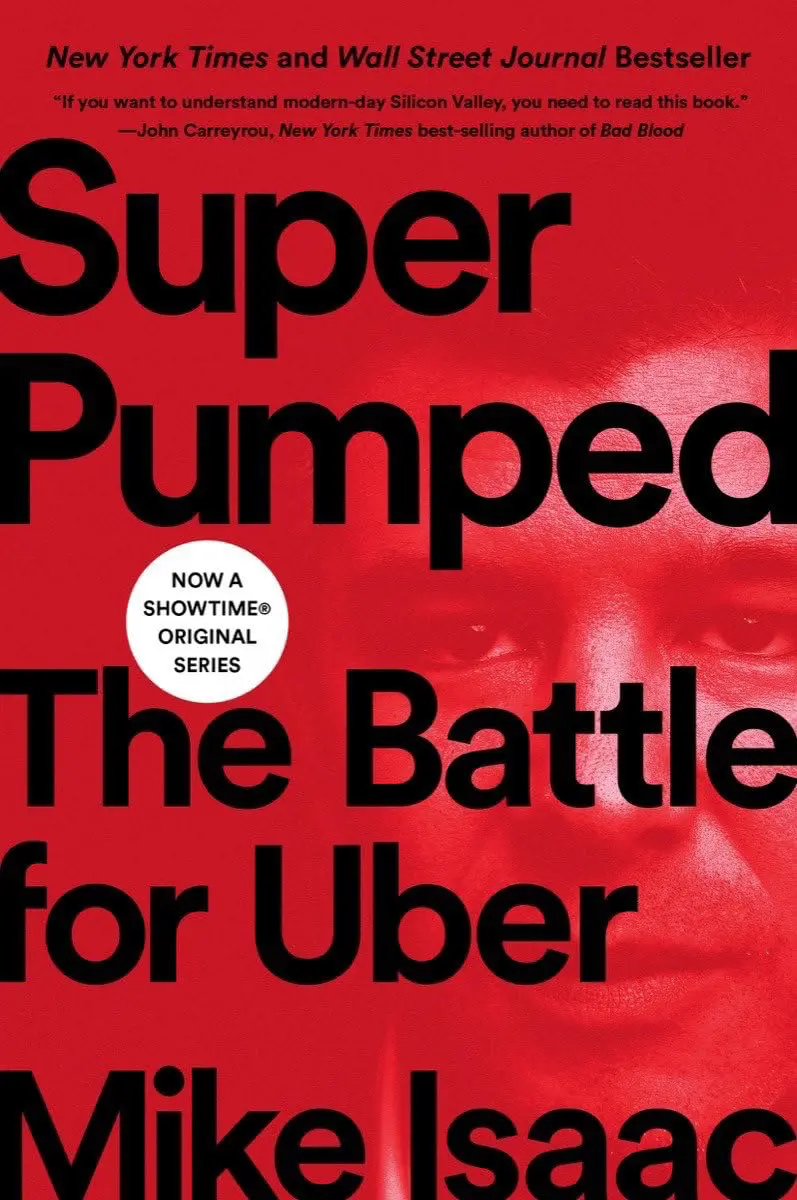
Super Pumped traces Uber from its founding through the series of crises that led to Travis Kalanick’s resignation as CEO in 2017. Isaac, who covered Uber for the New York Times, had extensive access to internal sources and paints a detailed picture of a company that grew faster than its ability to manage itself.
Kalanick’s management style was confrontational by design. He called it being “super pumped.” The company treated regulators as obstacles to circumvent, competitors as enemies to destroy, and employees as soldiers in a war. This attitude worked spectacularly well at building market share. Uber expanded into city after city by launching first and dealing with legal consequences later. By the time regulators caught up, the service had enough users that banning it was politically difficult.
But the same aggression that drove growth also created a toxic internal culture. Isaac documents sexual harassment complaints that were ignored by HR, a program called “God View” that tracked riders’ locations in real time (including journalists covering the company), and a corporate espionage operation that spied on competitors. The accumulation of scandals eventually became too much for the board and for investors.
The book also covers the dynamics between Kalanick and his investors, particularly Benchmark’s Bill Gurley, who eventually led the effort to remove Kalanick. The boardroom politics, with billions of dollars at stake and personal relationships fraying, read like a business drama.
For founders, the book is a case study in the relationship between culture and outcomes. Kalanick’s aggression built one of the most valuable companies in the world. It also nearly destroyed it. The question the book raises, without answering, is whether you can separate the growth engine from the toxicity, or whether they were always the same thing.
At about 400 pages, the book is well-reported and fast-paced. Isaac’s journalistic style keeps the narrative moving. It pairs well with Bad Blood as a study of what happens when ambition operates without sufficient checks.
