
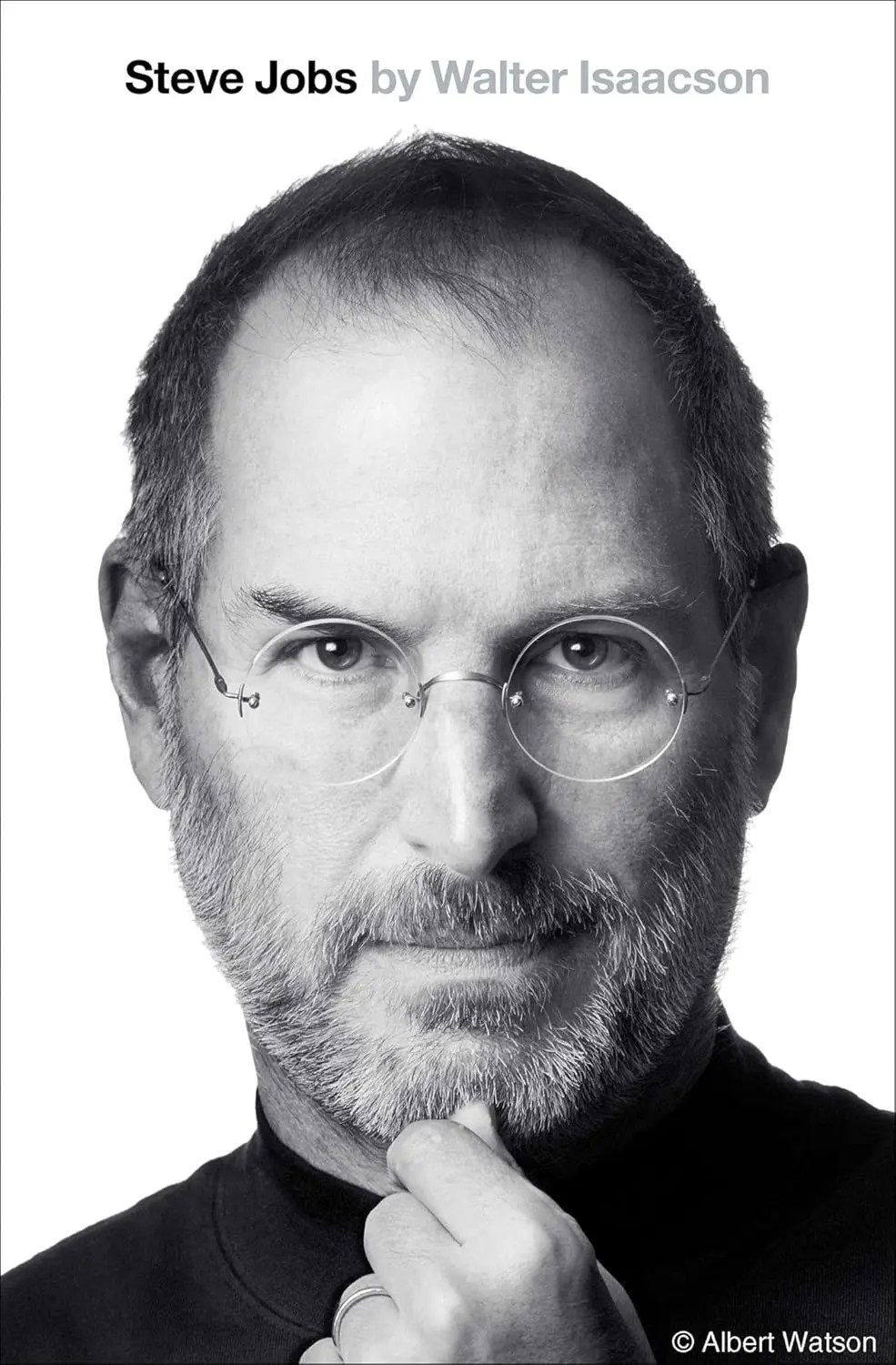
Isaacson conducted over 40 interviews with Jobs during the last two years of his life, plus hundreds of interviews with family, friends, colleagues, competitors, and enemies. Jobs gave Isaacson access on the condition that he would not read the book or have any control over its contents. The result is a biography that captures both the brilliance and the ugliness.
The brilliance is well-documented. Jobs had an unusual ability to see what products should feel like before they existed. He understood that technology and liberal arts needed to intersect. He drove teams to produce work they did not think they were capable of. The iPhone, which did not exist before 2007, is now the most profitable product in history. That trajectory from nothing to dominance happened under his direction.
The ugliness is equally documented. Jobs could be cruel to employees, taking credit for their ideas and berating them in front of colleagues. He abandoned his first daughter for years before acknowledging paternity. He manipulated people, lied when it suited him, and created a culture of fear alongside the culture of excellence.
Isaacson does not resolve this tension, and that is what makes the biography useful. Most founder biographies either celebrate or condemn. This one presents the full picture and lets you draw your own conclusions about which of Jobs’s behaviors were connected to his success and which were personal failings that happened to coexist with it.
For founders, the most applicable sections are about product development and decision-making. Jobs’s insistence on simplicity, his willingness to kill products that were “pretty good” in favor of waiting for something great, and his attention to details that customers would never consciously notice all contain lessons. The harder question is whether his management style, which produced results but also casualties, is something to emulate or avoid.
Mark Zuckerberg, Bill Gates, and Evan Spiegel have all cited this biography. At about 630 pages, it is a long book. Isaacson writes clearly, and the narrative is structured chronologically, which makes the length manageable. It remains the definitive account of one of the most consequential business figures of the past century.
