
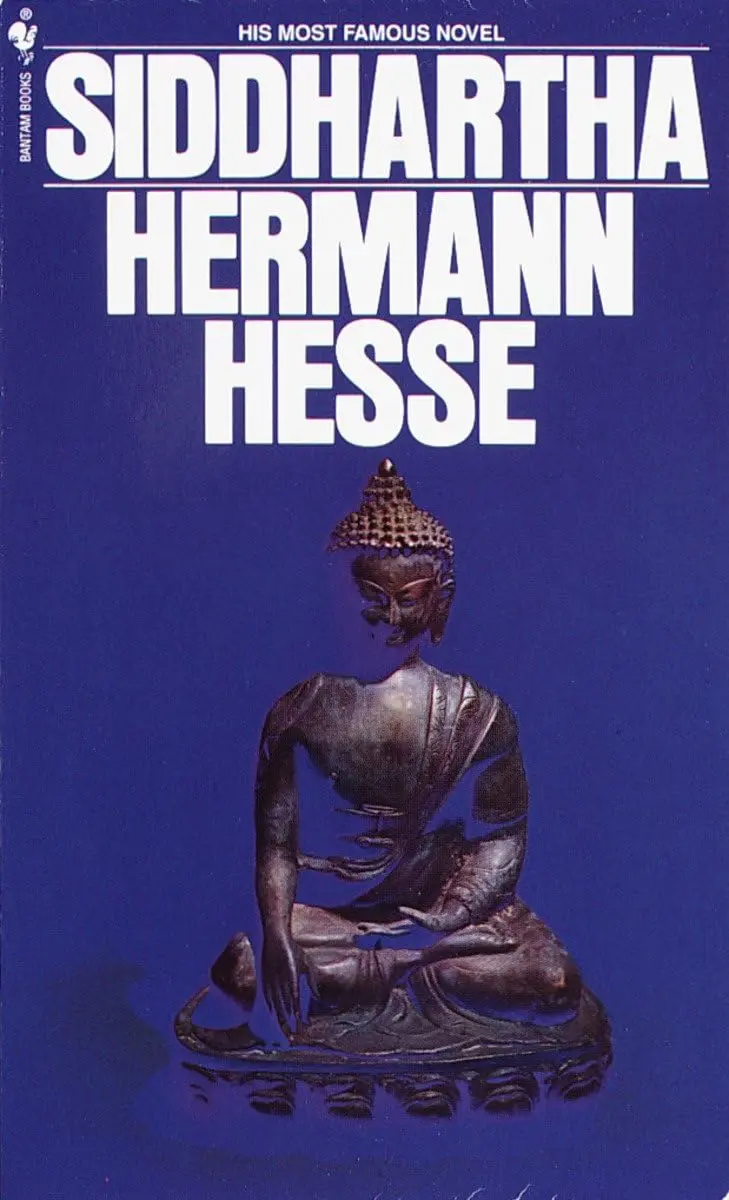
Siddhartha, published in 1922, follows its title character through several phases of life. He begins as the son of a Brahmin, educated and respected. Dissatisfied, he leaves home to become a wandering ascetic. He meets the Buddha but decides that following another person’s teachings, even the Buddha’s, will not lead to his own awakening. He then throws himself into the material world: business, money, gambling, and a love affair. He becomes wealthy and miserable. Eventually, he finds peace as a simple ferryman on a river, learning from observation and experience rather than doctrine.
The novel is short, about 150 pages, and reads more like a fable than a realistic narrative. The language is spare and rhythmic, with a meditative quality that matches the subject matter. Characters represent ideas more than people, and the plot moves by episodes rather than by dramatic tension.
The book’s central argument is that wisdom cannot be taught, only experienced. Siddhartha hears the truth from the Buddha, recognizes it intellectually, and still has to go through decades of searching before he understands it in his body. Knowing the answer is not the same as living it. This distinction matters in business too. Founders read books, attend conferences, and hear advice from people who have done it before. And then they have to learn it themselves anyway.
Naval Ravikant, Jack Dorsey, and Tim Ferriss have all named this book as one that shaped their thinking. Ravikant in particular has spoken about how Siddhartha’s rejection of secondhand knowledge, his insistence on figuring things out for himself, resonated with his approach to entrepreneurship and investing.
The book works best when you are in a transitional period, when you are questioning what you are doing and why. It does not give answers. It gives permission to search for your own. The writing style will not appeal to everyone; it is deliberate and unhurried. But for readers who connect with it, Siddhartha tends to arrive at the right moment and stay with them for a long time.
