
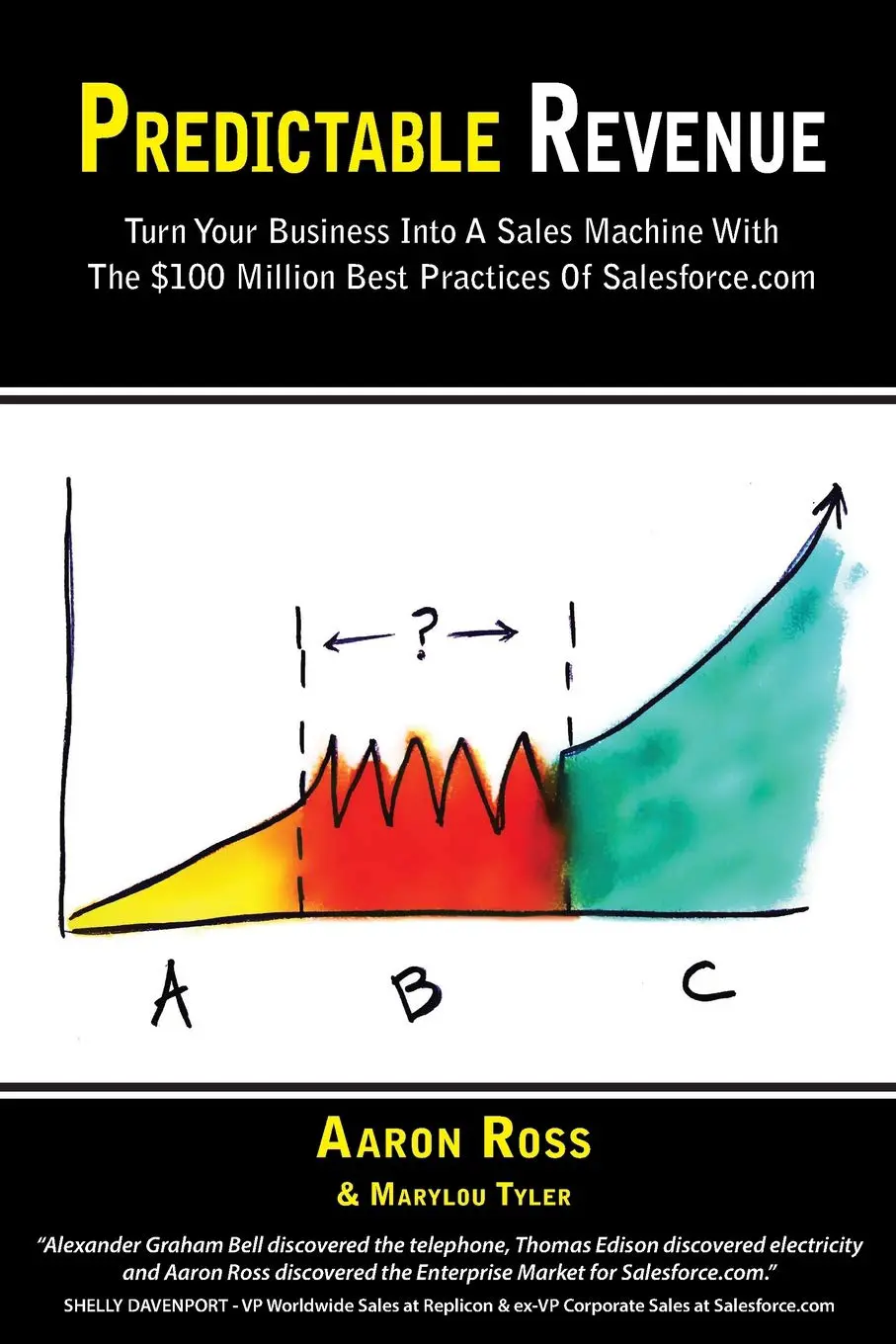
Predictable Revenue originated from a problem Ross faced at Salesforce. The sales team was spending most of its time prospecting (finding leads) instead of closing (turning leads into customers). Ross created a new role, the Sales Development Rep (SDR), whose only job was outbound prospecting. The SDRs qualified leads and handed them to Account Executives, who focused exclusively on closing. This specialization dramatically increased both the volume and quality of the pipeline.
The book describes the process in detail. Cold calling is out. Ross advocates “cold calling 2.0,” which involves sending short, personalized emails to targeted prospects asking for a referral to the right person in the organization. This approach generates responses without the resistance that cold calls create. The emails are brief, non-salesy, and focused on starting a conversation rather than pitching a product.
Ross also covers how to set pipeline targets (work backward from revenue goals to determine how many leads, conversations, and demos you need), how to structure compensation for SDRs and AEs, and how to measure the process at each stage.
The writing is practical and specific. Ross includes email templates, pipeline calculations, and organizational charts. The book reads like a manual because it is one. It was originally self-published and became popular through word of mouth among SaaS founders before being picked up by a publisher.
For founders of SaaS and B2B companies, the SDR model Ross describes has become the default sales structure in the industry. If you are building an outbound sales team, this book is where the playbook originated. Even if you modify the approach, understanding the original framework helps.
At about 210 pages, the book is short and focused. The writing is direct and occasionally rough around the edges (reflecting its self-published origins), but the content is specific enough to implement immediately. Many SaaS founders cite this as the book that showed them how to build a sales machine.
