
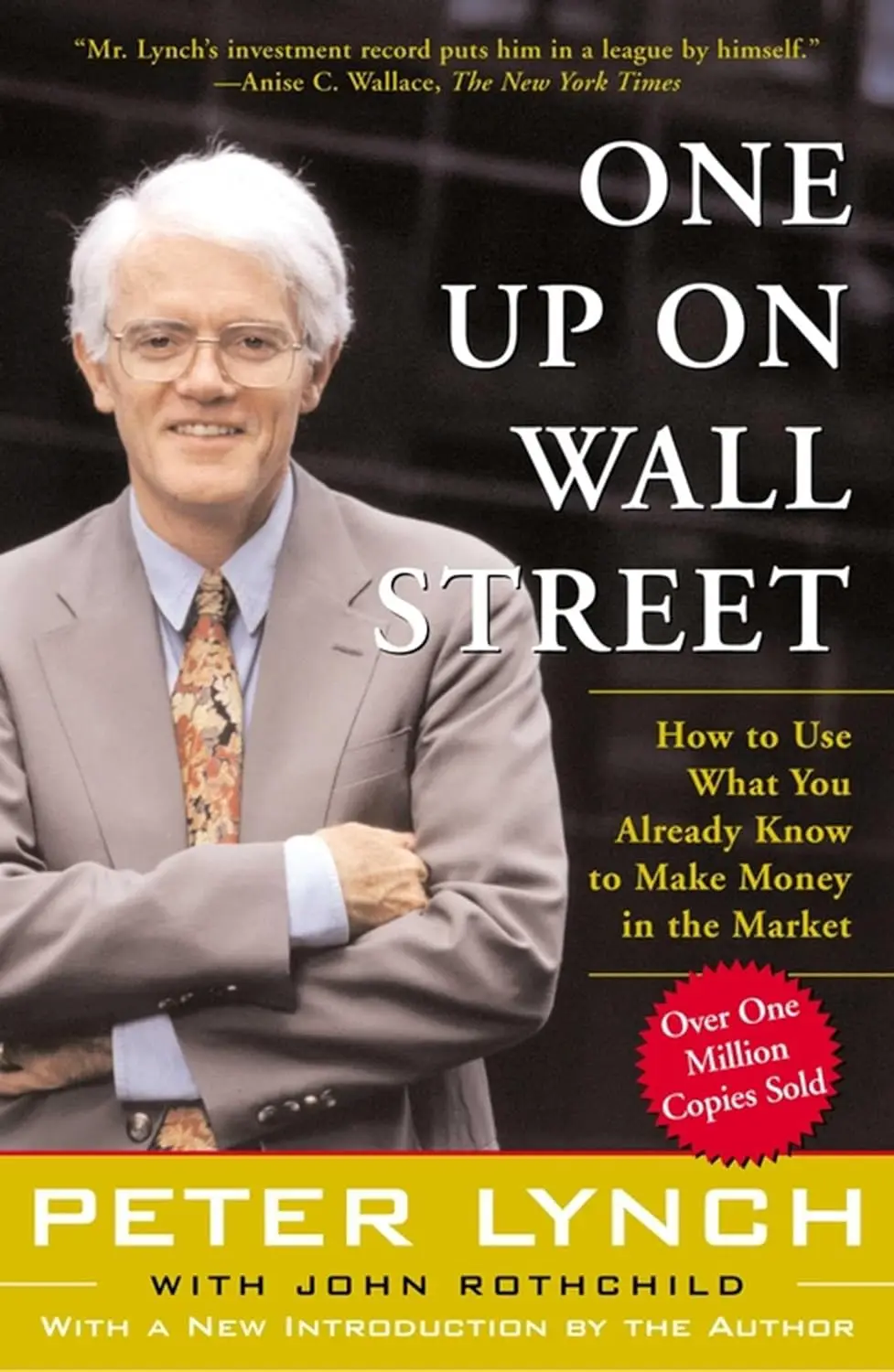
Lynch’s thesis is counterintuitive: the average person walking through a mall, eating at a restaurant, or buying products for their kids can spot investment opportunities before professional analysts can. The professional is stuck in an office reading reports. The consumer is actually using the products.
Lynch categorizes stocks into six types: slow growers (steady but unexciting), stalwarts (large, reliable companies), fast growers (small companies growing earnings 20-25% per year), cyclicals (companies whose earnings rise and fall with economic cycles), turnarounds (companies recovering from trouble), and asset plays (companies sitting on valuable assets the market has not recognized). Each type requires a different analysis and a different exit strategy.
The book is filled with specific stories from Lynch’s career at Magellan. He bought Dunkin’ Donuts because he liked the coffee. He bought Taco Bell before it was acquired by PepsiCo because he noticed the restaurants were always crowded. He bought Hanes after his wife noticed their L’eggs pantyhose in every grocery store. The point is not that investment research should be casual, but that observation of real-world consumer behavior provides leads that quantitative screens miss.
Lynch also covers what to avoid: hot stocks (by the time you hear about them, the price already reflects the hype), diversification for its own sake (“diworsification”), and buying companies you do not understand.
For founders, Lynch’s observational approach to markets maps onto how the best founders spot opportunities. They notice problems in their own lives, products that are overpriced or underserving a market, and trends that the established players are ignoring. The habit of paying attention to what people actually buy and use, rather than what analysts say they should buy and use, is the same skill.
At about 320 pages, the book reads easily. Lynch writes with humor and humility. The specific stock picks are dated (it was published in 1989), but the method of looking for investments in everyday life is timeless.
