
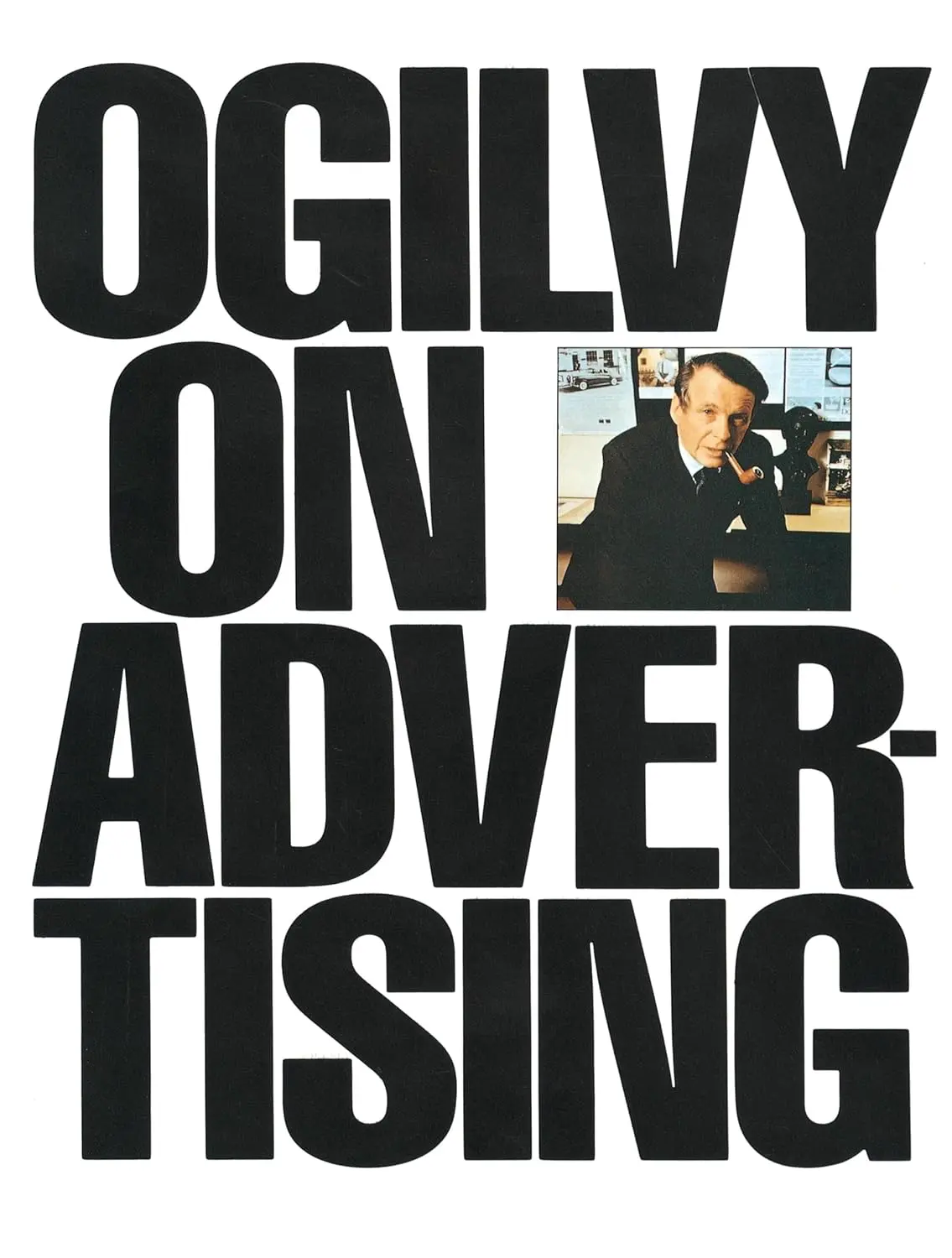
Ogilvy wrote this book in 1983, drawing on decades of running one of the world’s most successful advertising agencies. The tone is practical and opinionated. Ogilvy does not theorize about advertising. He tells you what works, what does not, and why, based on campaigns he personally ran or studied.
The book covers specific topics: how to write headlines that get read (long headlines sell more than short ones, according to his data), how to design print ads (put the image above the headline, use captions under photos because they get read twice as much as body copy), how to make television commercials that sell (start with a strong opening, show the product in use), and how to write direct mail (the most measurable form of advertising).
Ogilvy is famous for several principles that have held up. “The consumer is not a moron. She is your wife.” This was his way of insisting that advertising should inform and respect the audience rather than condescend to them. “On the average, five times as many people read the headline as read the body copy.” This means if your headline does not work, you have wasted 80% of your advertising budget.
The book also covers the business side of running an agency: how to get clients, how to keep them, how to hire creative people, and how to present work without undermining it. Ogilvy is candid about his own failures and what he learned from them.
For founders, especially those doing their own marketing early on, the specific advice on headlines, copy structure, and layout is immediately useful. Many of Ogilvy’s rules translate directly to landing pages, email subject lines, and social media ads. The underlying principle, that advertising should be judged by whether it sells, not by whether it wins awards, is worth remembering when agencies pitch creative concepts.
The book is about 220 pages and heavily illustrated with examples of real ads. The visual format makes it a fast read. Various marketers and founders have recommended it over the decades. Ogilvy’s direct, no-nonsense style makes the book feel current despite being 40 years old.
