
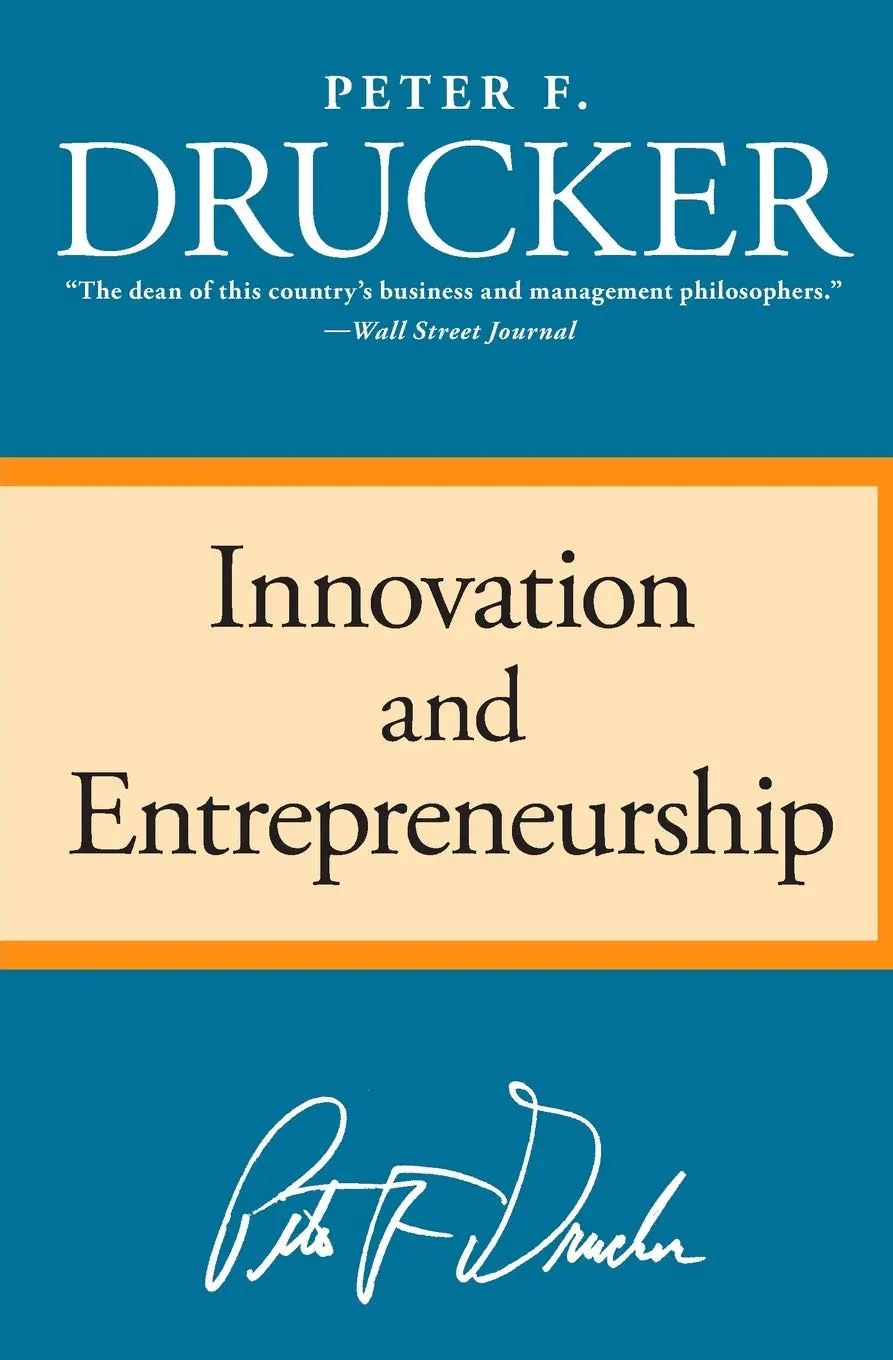
Innovation and Entrepreneurship is Peter Drucker’s attempt to take innovation out of the realm of inspiration and turn it into a manageable practice. Published in 1985, the book predates the lean startup movement by decades, but many of its ideas anticipate what came later. Drucker’s core argument is that innovation is not about being creative or having great ideas. It is about systematically looking for changes that have already happened and figuring out how to exploit them.
Drucker identifies seven sources of innovative opportunity, ordered from most to least reliable. The first four are internal to an industry: unexpected successes or failures, incongruities between expectations and results, process needs that aren’t being met, and changes in industry or market structure. The next three are external: demographic shifts, changes in perception or mood, and new scientific or technical knowledge. He argues that most successful innovations come from the first four sources, which are less glamorous but more predictable than the technology-driven breakthroughs most people think of when they hear the word “innovation.”
The entrepreneurship sections cover how to manage new ventures, whether inside an existing organization or as a standalone startup. Drucker’s advice is specific: focus on the market rather than the product, start small and focused rather than grand and diversified, and aim to lead in a defined niche rather than competing head-to-head with established players. He also covers the different entrepreneurial strategies available, from being first to market to finding and dominating a specialty position.
For founders, the book’s biggest value is its framework for where to look for opportunities. Instead of waiting for inspiration, Drucker gives you seven specific places to look, each with examples and criteria for evaluating what you find. The advice on market-focused innovation, rather than technology-focused innovation, has been validated repeatedly in the decades since publication.
The writing reflects Drucker’s style: clear, direct, and densely packed with ideas. Each chapter has more substance than many full business books. It is not a quick read, but it rewards attention. Drucker’s examples are drawn from the 1970s and 1980s, which dates some references, but the underlying principles remain sound.
