
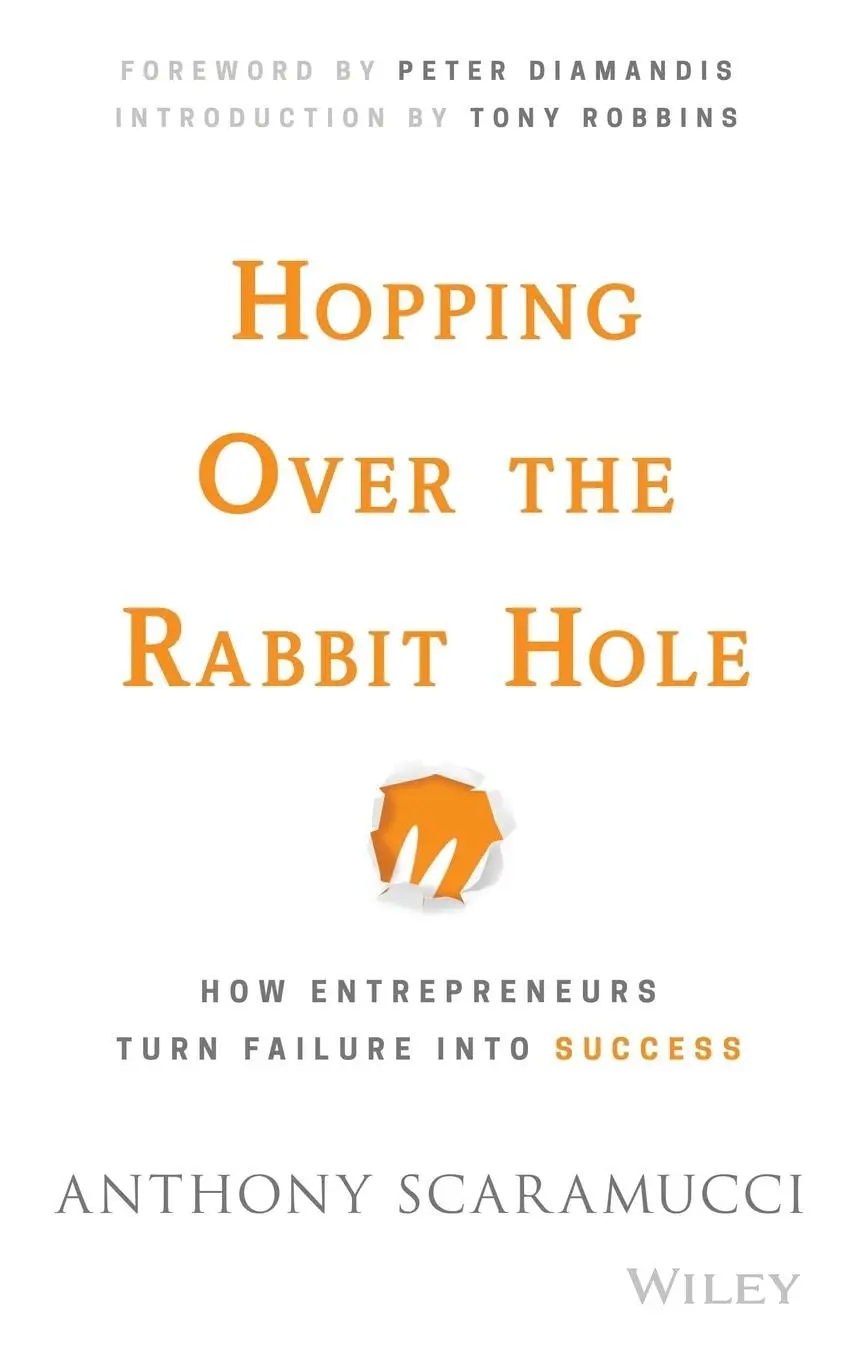
Anthony Scaramucci is probably best known for his eleven-day stint as White House Communications Director in 2017. This book was published before that episode, and it covers different ground: the twenty-plus years he spent building businesses on Wall Street, including the ones that almost destroyed him.
Scaramucci grew up in a working-class family on Long Island. He got into Harvard Law School, pivoted to Goldman Sachs, made it to vice president in Private Wealth Management, and then left to co-found Oscar Capital Management. That firm was eventually sold to Neuberger Berman, which was then sold to Lehman Brothers. When Lehman collapsed in 2008, Scaramucci found himself on the wrong side of one of the largest bankruptcies in American history.
He started over with SkyBridge Capital, a fund of hedge funds, and built it into a multi-billion-dollar operation. The book is structured around the failures and near-failures he experienced along the way, each one treated as a case study in what went wrong and how he recovered.
The tone is self-deprecating in a way that feels earned rather than performed. Scaramucci writes about hiring the wrong people, making bad strategic bets, letting ego override judgment, and the specific moment when you realize a business you built is about to go under. He does not pretend that success was inevitable or that his failures were all secretly blessings in disguise. Some of them were just failures.
The practical advice covers territory familiar to anyone who reads business books: build relationships, stay resilient, learn from mistakes, watch your ego. Where Scaramucci adds something different is in the granularity of his own stories. He names names, describes specific deals, and walks through the arithmetic of decisions that looked right at the time and turned out to be wrong.
The writing is conversational and fast. Scaramucci has the cadence of someone who has given a lot of speeches, which means the prose moves but occasionally sacrifices depth for momentum.
The book came out in 2016 and received endorsements from figures including Ray Dalio and Gary Vaynerchuk. It is short, readable, and most useful for people who are in the middle of building something and want to hear from someone who has been through the worst parts and come out the other side.
