
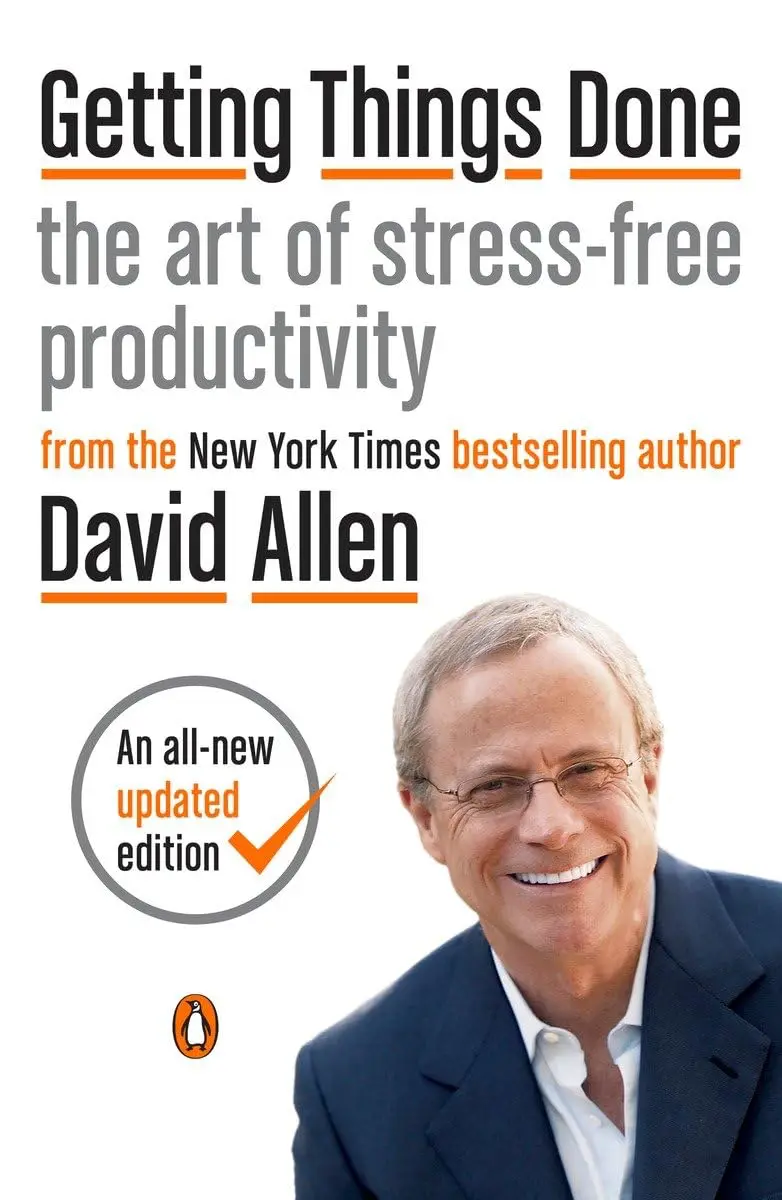
GTD is one of the most widely adopted personal productivity systems in the world, and it starts with a simple observation: the reason you feel stressed is not that you have too much to do. It is that you have not decided what to do about all the things competing for your attention. Unprocessed commitments create a background hum of anxiety. GTD eliminates that hum by giving everything a place.
The system has five steps. Capture: get everything out of your head and into a trusted external system (inbox, notebook, app). Clarify: for each item, decide what it is and what the next physical action is. If it takes less than two minutes, do it now. If it requires multiple steps, it is a project. Organize: put actions on the right lists (by context, by project, by date). Reflect: review your lists weekly to keep them current and complete. Engage: trust your system and do the work.
Allen is particular about the “next action” concept. Most to-do lists contain vague items like “plan meeting” or “deal with insurance.” GTD requires defining the next physical action: “email Sarah to suggest three time slots for the planning meeting.” This specificity removes the decision-making friction that causes procrastination.
The weekly review is the system’s backbone. Once a week, you go through all your projects, all your lists, and all your inboxes to make sure everything is captured, clarified, and current. If you skip the weekly review, the system degrades quickly.
For founders, GTD addresses the problem of having too many responsibilities across too many domains. When you are responsible for product, sales, hiring, finance, and strategy simultaneously, the mental overhead of tracking everything is paralyzing. GTD offloads that tracking to a system, freeing your mind for the work itself.
The revised edition (2015) updates the original 2001 book with digital tools and modern examples. At about 350 pages, the book is thorough. Allen writes clearly but methodically. Many readers find the system easier to learn from a summary or course than from the book itself, but the book remains the definitive source.
