
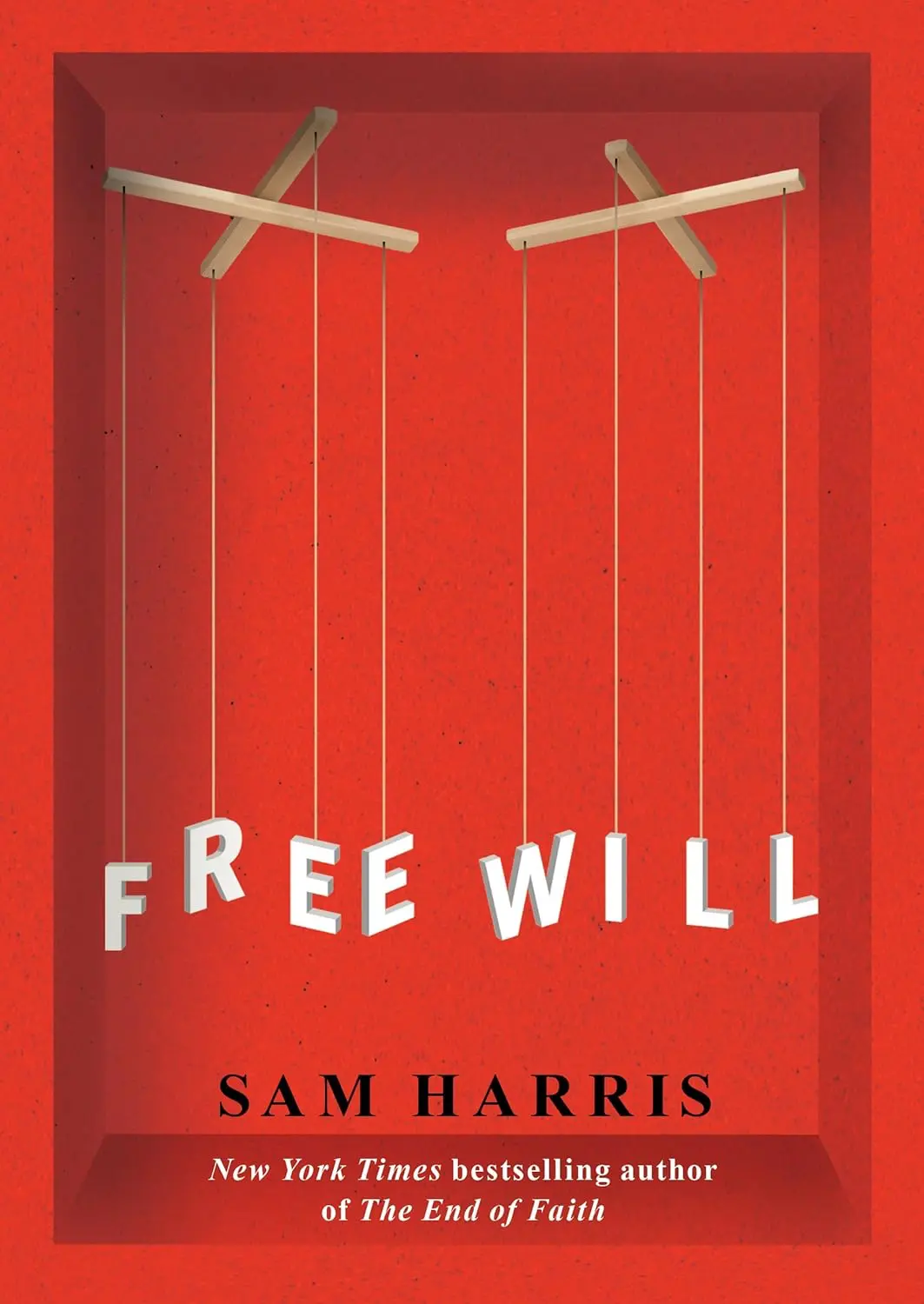
Free Will is essentially a long essay at about 80 pages. Harris’s argument is direct: you did not choose your parents, your genes, your childhood environment, or the neural wiring that produces your thoughts. Every decision you make is the product of causes that preceded it, none of which you authored. Therefore, the feeling that you could have chosen differently in any given moment is an illusion.
Harris supports this with neuroscience research showing that brain activity corresponding to a “decision” occurs several hundred milliseconds before the person becomes consciously aware of having decided. The conscious experience of choosing appears to be a retrospective narration, not the actual decision-making process.
The implications are uncomfortable. If free will is an illusion, what does this mean for moral responsibility? Harris argues that it does not mean we should abandon the justice system, but it does mean we should rethink punishment. If a person’s behavior is the product of causes they did not control, retribution makes less sense than prevention, rehabilitation, and quarantine (for truly dangerous individuals).
Harris also considers how the absence of free will should change how we think about success and failure. If your achievements are the product of factors you did not choose (talent, upbringing, lucky breaks), extreme pride in success becomes as questionable as extreme blame for failure. This reframing tends to produce more compassion and less judgment.
The writing is clear and the argument is tightly structured. Harris does not waste words. At 80 pages, the book respects the reader’s time by making its case as efficiently as possible.
For founders, the book is relevant to how you think about your own success (how much was skill versus luck?), how you evaluate employees (are their failures always within their control?), and how you structure incentives (do your systems account for the limitations of willpower?).
The brevity makes this a one-sitting read. Harris’s argument is persuasive whether or not you ultimately accept the conclusion. At minimum, it forces you to examine assumptions about choice and responsibility that most people never question.
