
Don Quixote follows Alonso Quixano, an aging gentleman from La Mancha who reads so many books about knights and chivalry that he loses his grip on reality and decides to become a knight himself. He renames himself Don Quixote, recruits a local farmer named Sancho Panza as his squire, and sets out to right wrongs, defend the helpless, and win glory, despite the fact that the age of chivalry ended centuries ago.
The comedy comes from the gap between Quixote’s perception and reality. He attacks windmills because he sees them as giants. He charges flocks of sheep because he sees armies. He mistakes an inn for a castle. Everyone around him either humors his delusions, takes advantage of them, or tries to bring him back to his senses. Sancho Panza, who knows perfectly well that the windmills are windmills, follows along anyway, partly out of loyalty and partly because Quixote has promised him an island to govern.
But the book is more than comedy. As it progresses, especially in the second part published in 1615, the tone shifts. Quixote becomes a more sympathetic figure. His insistence on seeing the world as better than it is starts to look less like madness and more like a deliberate choice, and the people who mock him start to look smaller for doing so. The question of whether it is better to see the world as it is or as it should be runs through the entire novel and is never fully resolved.
For founders, the book resonates in ways Cervantes couldn’t have anticipated. Every entrepreneur is, to some degree, a Quixote: someone who looks at reality and decides to act as if a different version of it is possible. The people who call you crazy might be right. They might also be the ones who lack the vision to see what you see. Cervantes manages to hold both possibilities in tension without choosing between them.
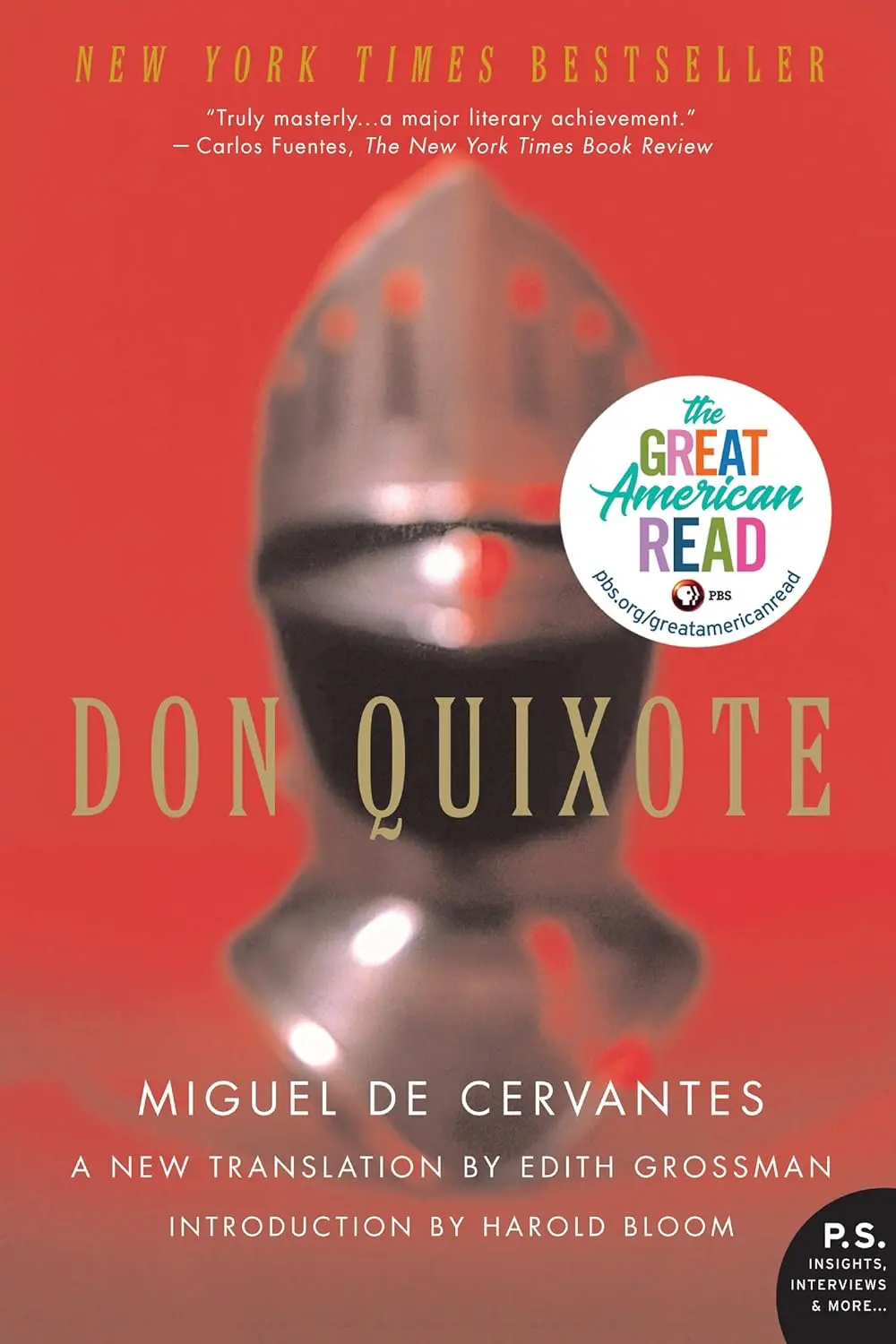
The Edith Grossman translation is the most widely recommended modern English version. The book is long, and some sections in the middle sag, but the best chapters are among the funniest and most moving in world literature.
