
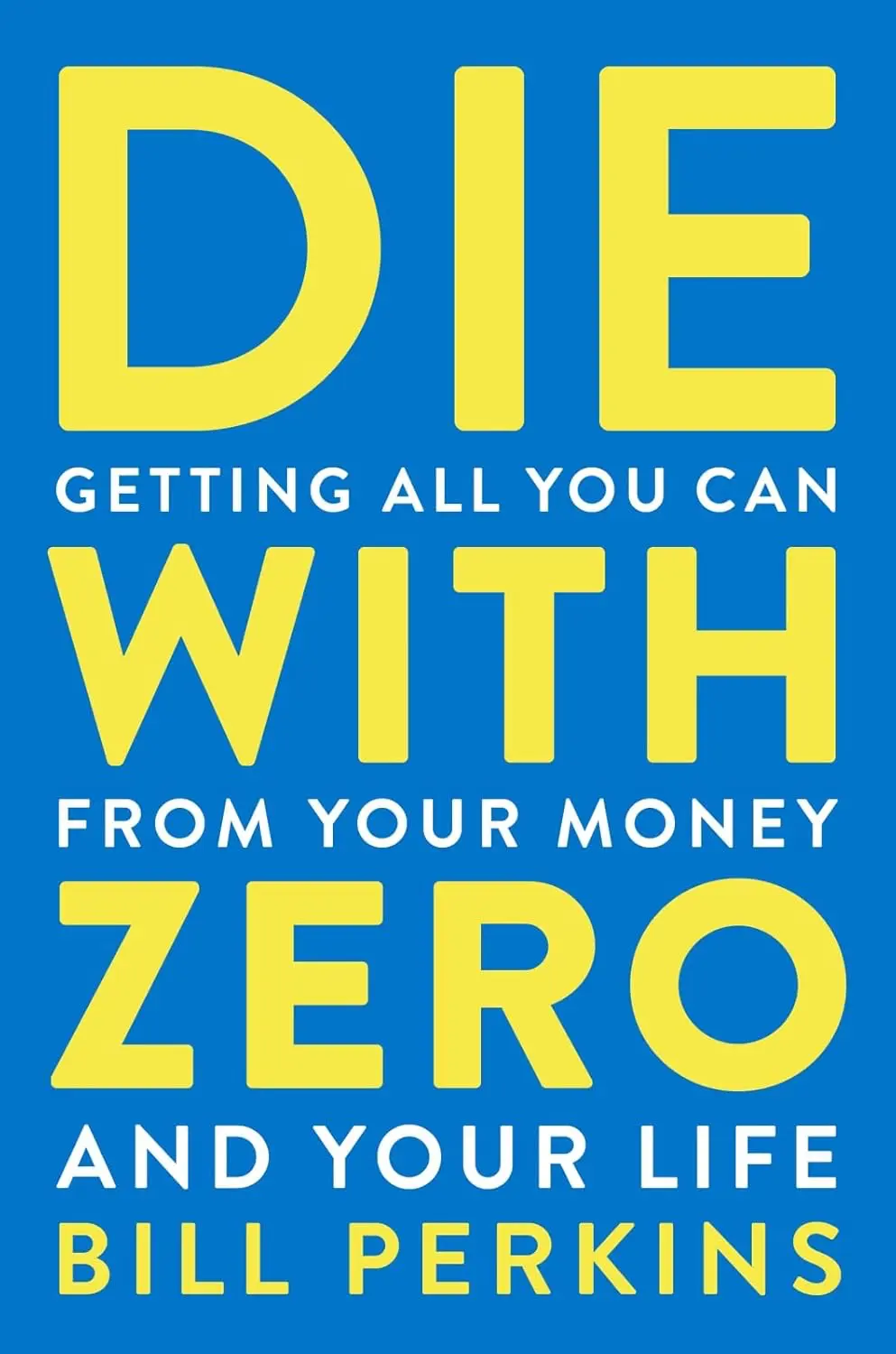
Die With Zero is Bill Perkins’s argument that the default financial plan, save as much as possible for as long as possible, is actually a plan for wasting your life. Perkins, a hedge fund trader, makes the case that most people die with significant unspent savings, which represents experiences they never had, generosity they never expressed, and time they spent earning money they didn’t need.
The core idea is that different experiences have different optimal timing. Backpacking through Asia is a different experience at 25 than at 65. Playing with your kids happens during a specific window that money can’t buy back later. The health to enjoy a safari or a scuba trip declines with age. Perkins argues that you should spend money on experiences when you can get the most “memory dividends” from them, rather than deferring everything to a retirement that may never come or may come when you’re too old to enjoy it.
Perkins introduces several practical frameworks. The “memory dividend” concept: an experience you have at 30 provides 50+ years of memories, while the same experience at 70 provides fewer years. The “time buckets” exercise: divide your life into five-year or ten-year periods and plan which experiences belong in each bucket. The “give while living” principle: give money to your children or to charity when it will have the most impact on their lives, not after you die.
The book’s most provocative claim is that after a certain point, saving more money is not rational. If you have enough to fund your remaining years comfortably (accounting for insurance and healthcare), every additional dollar saved is a dollar of life experience sacrificed. Perkins argues for deliberately spending down your assets so you die with as close to zero as possible.
For founders, who often defer personal enjoyment indefinitely while building their company, the book is a useful challenge. The question isn’t whether you should work hard but whether you’re also investing in the experiences that make life worth living during the years when you can enjoy them most.
The writing is conversational and occasionally repetitive. Perkins acknowledges the obvious objection (what if you run out of money?) and addresses it through annuities, insurance, and conservative withdrawal planning. The math is simple but the philosophy is genuinely challenging if you’re someone who defaults to saving and deferring.
