
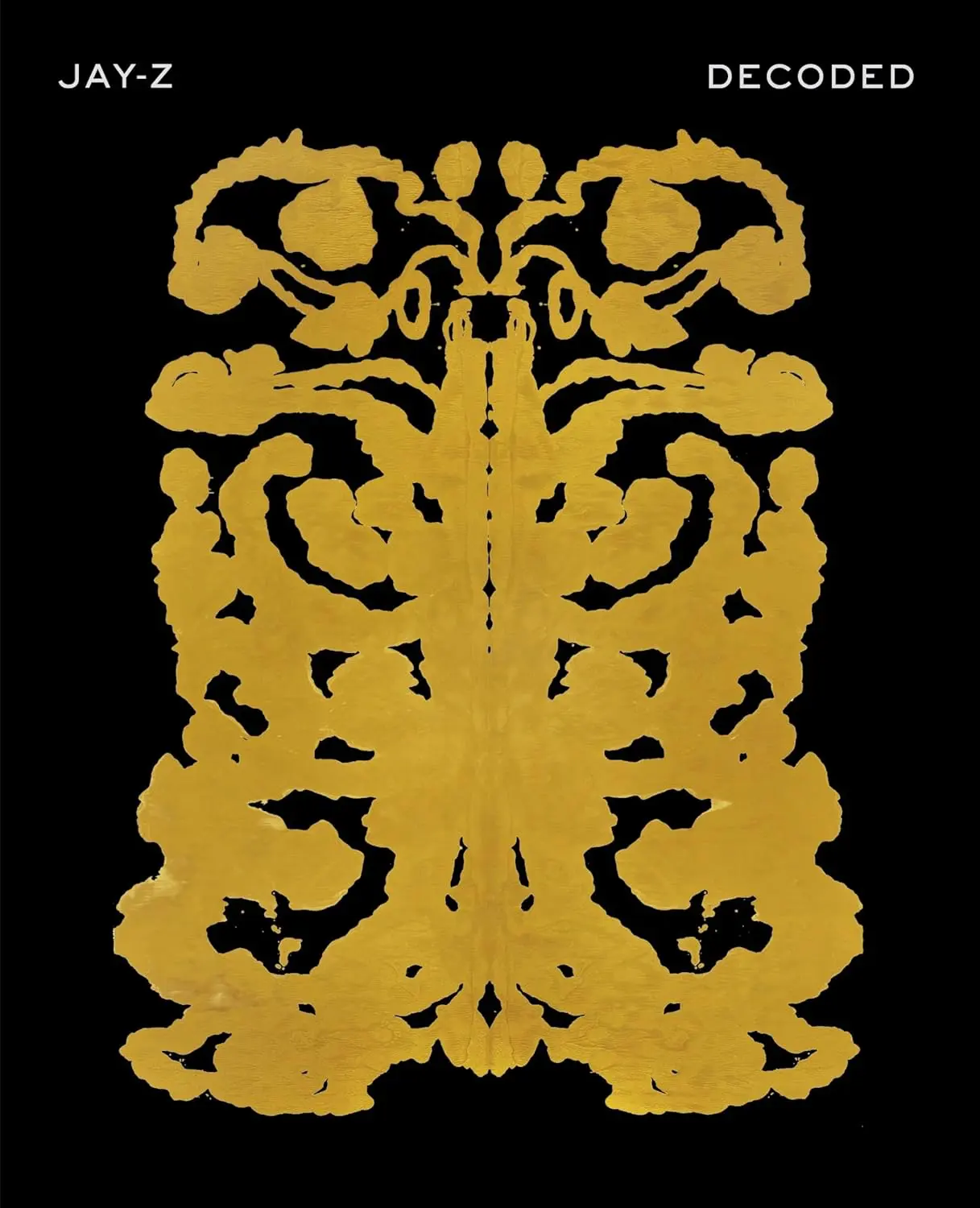
Most hip-hop memoirs follow a formula: childhood in poverty, discovery of music, rise to fame, reflections on success. Decoded breaks that formula by making the music itself the central text. Jay-Z takes his lyrics, prints them on the page, and explains them line by line, the way a professor might annotate a poem.
The effect is unusual. A verse about drug dealing gets footnoted with the specific economics of the crack trade in 1980s Brooklyn: what a package cost, what the margins were, how territory was divided. A line about his mother gets expanded into a full story about growing up in the Marcy Projects, including the sounds, the smells, and the specific apartment where he first started writing rhymes. A reference to a rival gets unpacked into a discussion of how competition functions in hip-hop and why beef, when it stays verbal, pushes the art form forward.
Jay-Z is a clear and confident writer. The book does not read like it was ghost-written, though it was developed with the help of journalist dream hampton. The voice is distinctly his: controlled, analytical, occasionally funny, and never self-pitying. He writes about selling crack on the streets of Brooklyn not as a confession or an apology but as an economic reality. He was fourteen. There were no other jobs. The money was immediate and the risk was abstract until it was not.
The visual design matters. The book was designed by Mark Batty Publisher and is full of photographs, artwork, handwritten lyrics, and typographic experiments. It is as much a designed object as it is a text. Reading it on a Kindle would lose half the experience.
Jay-Z connects hip-hop to a broader literary and artistic tradition without being pretentious about it. He compares the wordplay in rap to the double meanings in Shakespeare. He discusses the relationship between autobiography and fiction in songwriting. He makes the case that hip-hop, at its best, is a form of journalism from neighborhoods that mainstream media ignores.
The book was a New York Times bestseller. It has been used in university courses on poetry, African American studies, and cultural criticism. Whether you care about hip-hop specifically or not, Decoded offers a rare window into how a creative mind translates experience into art, explained by the artist himself rather than by a critic.
