
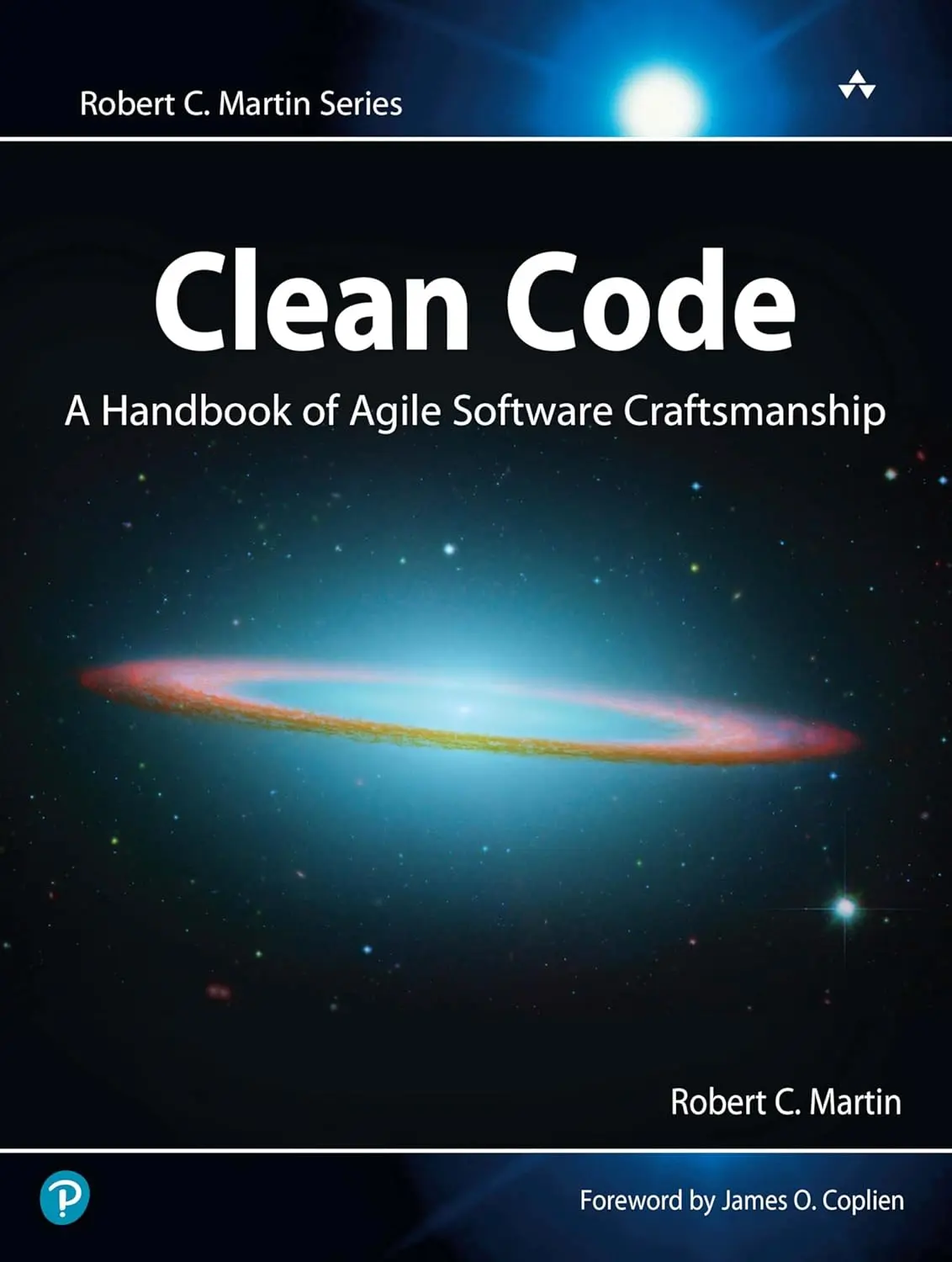
Clean Code’s premise is that reading code is harder than writing it, and that most of a programmer’s time is spent reading existing code rather than writing new code. Therefore, writing code that is easy to read is not a luxury. It is an economic necessity. Messy code slows development, increases bugs, and makes it harder to onboard new team members.
Martin covers specific practices. Names should be descriptive and unambiguous. Functions should be small and do one thing. Comments should explain why, not what (the code itself should explain what). Classes should have a single responsibility. Error handling should be explicit, not hidden. Tests should be written first and should document the intended behavior.
The book is organized as a progression. Early chapters cover individual elements (names, functions, comments). Middle chapters cover larger structures (classes, systems, concurrency). Later chapters present extended case studies where Martin takes real (messy) code and refactors it step by step, explaining each decision.
The writing is opinionated. Martin has strong views about how code should be written, and he does not hedge. Some of his recommendations are debated within the programming community (particularly his insistence on very small functions and his views on comments). But the core message, that code quality matters and that there are specific, learnable practices that improve it, is well-established.
For founders who write code, or who manage engineers who do, Clean Code provides a shared vocabulary for discussing code quality. When an engineer says the codebase needs refactoring, this book explains what that means in practice and why it matters for the business.
At about 460 pages, the book is substantial. The examples are in Java, which limits accessibility for non-Java programmers, though the principles apply across languages. It is one of the most recommended books in software engineering and has sold millions of copies worldwide.
