
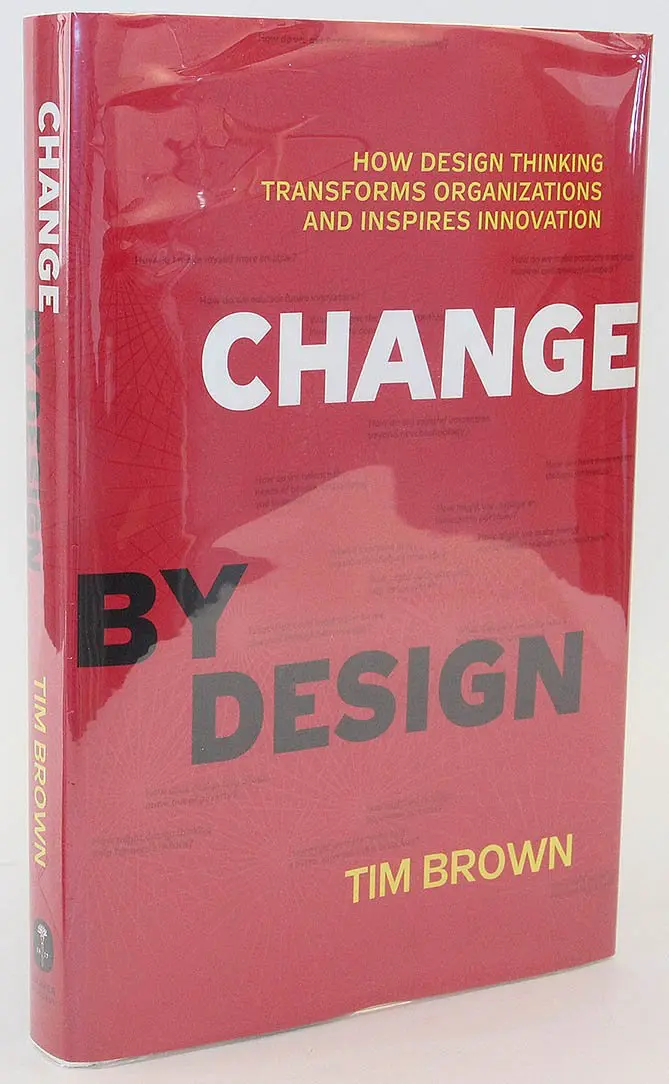
Brown defines design thinking as a discipline that uses the designer’s methods (observation, prototyping, iteration, user testing) to solve problems that are not traditionally considered design problems. The idea is that the same process used to design a better toothbrush can be used to redesign a hospital patient experience, a banking service, or a company’s strategy.
The book walks through the design thinking process. It starts with inspiration: observing how people actually behave rather than how they say they behave. Brown describes IDEO teams visiting hospitals, riding public transit, and shopping with customers to understand needs that surveys cannot capture. The observation phase is followed by ideation: generating a wide range of possible solutions without judging them. Then prototyping: building rough versions of the best ideas quickly and cheaply. Then testing: putting prototypes in front of real users and learning from their reactions.
Brown uses IDEO case studies throughout. Redesigning the shopping cart (a famous IDEO project that was filmed for ABC Nightline). Improving the patient experience for Kaiser Permanente. Designing banking services for the unbanked in developing countries. The examples span industries and show the method applied at different scales.
The book also covers organizational challenges. Design thinking requires a culture where failure is treated as learning, where hierarchy does not prevent good ideas from surfacing, and where prototyping is faster than debating. Brown is honest that many organizations struggle with these requirements.
For founders, design thinking is useful both as a product development method and as an approach to any problem where the solution is not obvious. The emphasis on empathy (understand the user before proposing solutions) and prototyping (build something rough and learn from it rather than debating in the abstract) aligns well with lean startup methods.
At about 270 pages, the book reads well. Brown writes with the measured enthusiasm of someone who has been practicing and teaching these methods for decades. It works best for readers who want to understand the philosophy behind design thinking, not just the steps.
