
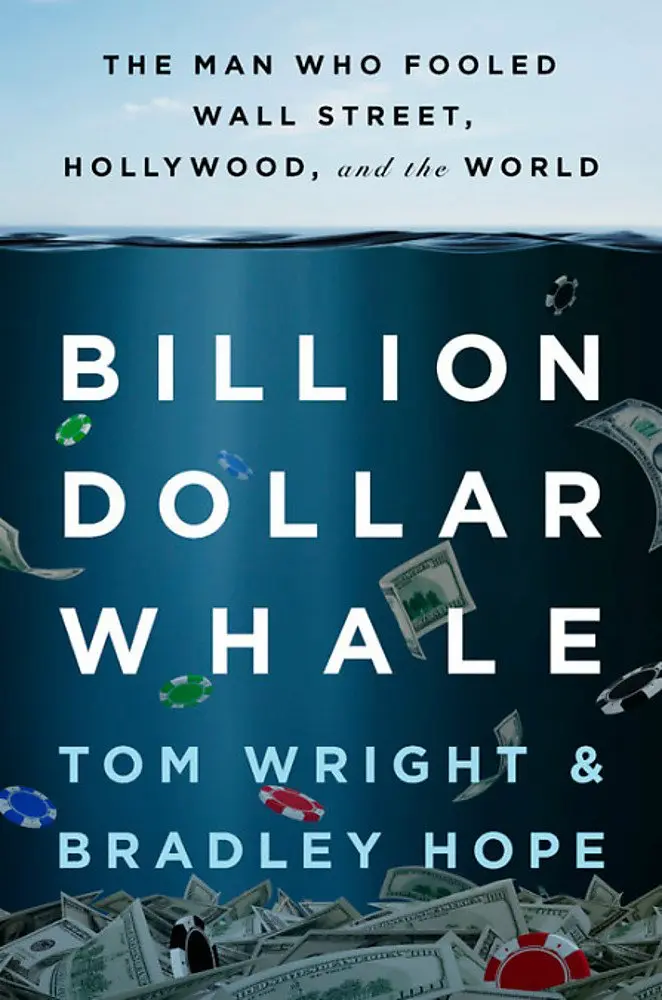
In 2009, a young man named Jho Low walked out of the University of Pennsylvania’s Wharton School and into one of the largest financial frauds in history. Over the next several years, he managed to siphon roughly $4.5 billion from 1MDB, Malaysia’s sovereign wealth fund, right under the noses of global banks, auditors, and regulators.
Wall Street Journal reporters Tom Wright and Bradley Hope spent years tracking the money. Their reporting, which made them Pulitzer Prize finalists, forms the backbone of this book. What they found was stranger than most fiction: Low bankrolled the production of The Wolf of Wall Street, threw parties where models were flown in by private jet, bought hundreds of millions of dollars in real estate, and used the stolen cash to finance elections in Malaysia.
The book works on multiple levels. As a piece of investigative journalism, it lays out exactly how Low pulled off each stage of the fraud, who helped him, and why nobody stopped it. The mechanics are detailed but never dry. Wright and Hope explain complex financial instruments and offshore structures in plain language, so you always understand where the money went and who looked the other way.
As a character study, it is just as effective. Low comes across not as a criminal mastermind but as a deeply insecure social climber who learned at Wharton that proximity to wealth was itself a kind of power. He used connections with Middle Eastern royalty and Malaysian politicians to insert himself into deals he had no business being part of. Goldman Sachs, which earned hundreds of millions in fees from the 1MDB deals, plays a particularly uncomfortable role in the story.
For founders and business-minded readers, there are real lessons buried in the spectacle. The book shows how institutional trust can be weaponized, how large banks can prioritize fees over due diligence, and how the global financial system has gaps that a single determined person can exploit. It also demonstrates how reputational capital works in practice. Low understood that if he spent lavishly enough and associated with the right people, few would question where the money came from.
The Financial Times and Fortune both named it a best book of 2018. It has sold over 500,000 copies internationally and remains a bestseller in Asia. A television adaptation is in development. The book was itself the target of legal efforts to suppress its publication, which only added to its credibility.
If you liked Bad Blood by John Carreyrou, this sits in similar territory: a meticulously reported account of how a single person’s audacity, combined with institutional failure, can cause damage on a staggering scale.
