
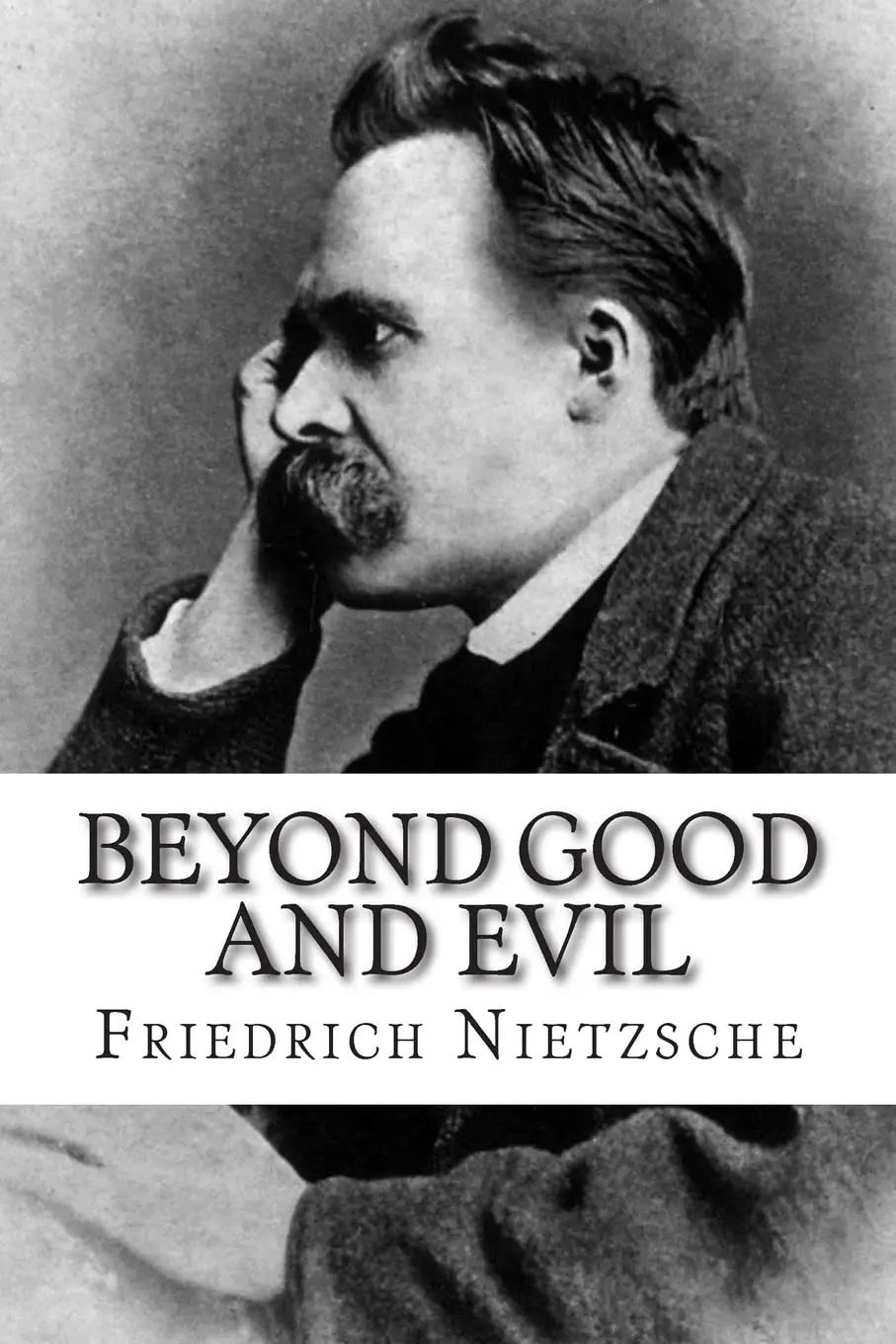
Beyond Good and Evil, published in 1886, is one of Nietzsche’s most accessible works, though “accessible” is relative when it comes to Nietzsche. The book is structured as a series of short sections and aphorisms rather than a continuous argument, which means you can read it in pieces and still get value from individual passages.
Nietzsche’s target is the philosophical tradition from Plato onward, which he sees as infected by a “slave morality” that values meekness, conformity, and obedience over strength, creativity, and independence. He argues that moral systems are not discovered truths but human inventions that serve specific social functions, and that the moral system dominant in Europe (rooted in Christianity) suppresses the kind of exceptional individual who could create new values.
The book covers several themes. The “will to power” as the fundamental drive behind all human behavior (not just political power, but the drive to grow, create, and overcome). The critique of dogmatism in philosophy (most philosophers, Nietzsche argues, are rationalizing their personal temperament rather than discovering objective truth). The distinction between “master morality” (which values strength, creativity, and self-determination) and “slave morality” (which values humility, compassion, and equality).
Nietzsche’s writing is aphoristic, ironic, and deliberately provocative. He uses overstatement, contradiction, and rhetorical provocation to force the reader to think rather than passively absorb. This style makes him easy to misread and easy to quote out of context.
For founders, Nietzsche is relevant as a thinker about values, independence, and the courage to create something new against social resistance. The emphasis on questioning received wisdom and creating your own framework for decision-making resonates with the entrepreneurial experience.
Jordan Peterson has discussed Nietzsche extensively. At about 240 pages, the book is manageable. The Penguin Classics edition translated by R.J. Hollingdale is the most commonly recommended. The aphoristic format means you can read a few pages, think about them, and return later.
