
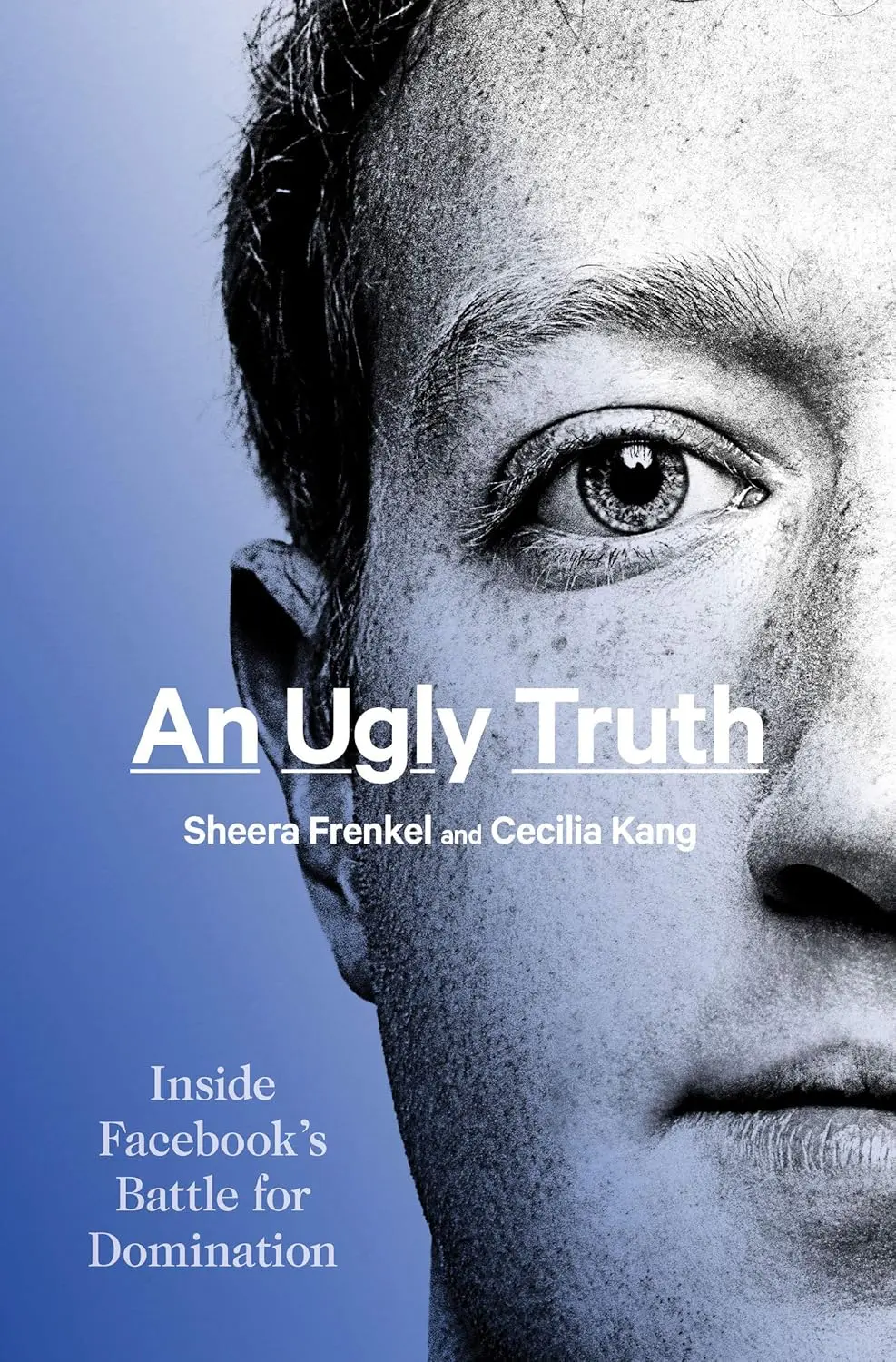
An Ugly Truth is Sheera Frenkel and Cecilia Kang’s investigation into how Facebook handled the series of crises that hit the company between 2016 and 2020. The book, based on hundreds of interviews and internal documents, focuses on the gap between what Facebook said publicly about its problems and what its leadership actually knew and decided internally.
The reporting covers several interconnected threads. Russian interference in the 2016 U.S. election, which Facebook initially denied and then minimized before being forced to acknowledge. The Cambridge Analytica scandal, where a political consulting firm harvested data from tens of millions of Facebook users through a quiz app. The spread of hate speech and misinformation on the platform in Myanmar, which contributed to violence against the Rohingya. And the broader pattern of Facebook prioritizing growth and engagement metrics over content quality and user safety.
The portraits of Zuckerberg and Sandberg are the book’s most revealing sections. Frenkel and Kang show how Zuckerberg’s faith in the inherent goodness of connecting people made him slow to accept that his platform could be used for harm. Sandberg, meanwhile, is portrayed as focused on protecting Facebook’s political relationships and advertising business, sometimes at the expense of addressing safety concerns. The tension between their approaches shaped the company’s response to every crisis.
For founders, the book raises questions about what happens when a company’s growth engine creates externalities that the founders didn’t anticipate and don’t want to address. The pattern of deny, minimize, deflect, and eventually act under pressure is common in fast-growing companies, and seeing it documented in detail at Facebook is instructive for anyone thinking about how to handle problems that emerge from their own product’s success.
The writing is clear and well-organized. Frenkel and Kang are experienced reporters and they let the facts carry the story rather than inserting editorial commentary. The book moves chronologically through the crises, which makes it easy to follow but can feel repetitive since the pattern at Facebook was similar each time. As a record of how one of the most powerful companies in the world handled its most important challenges, it’s thorough and well-sourced.
