
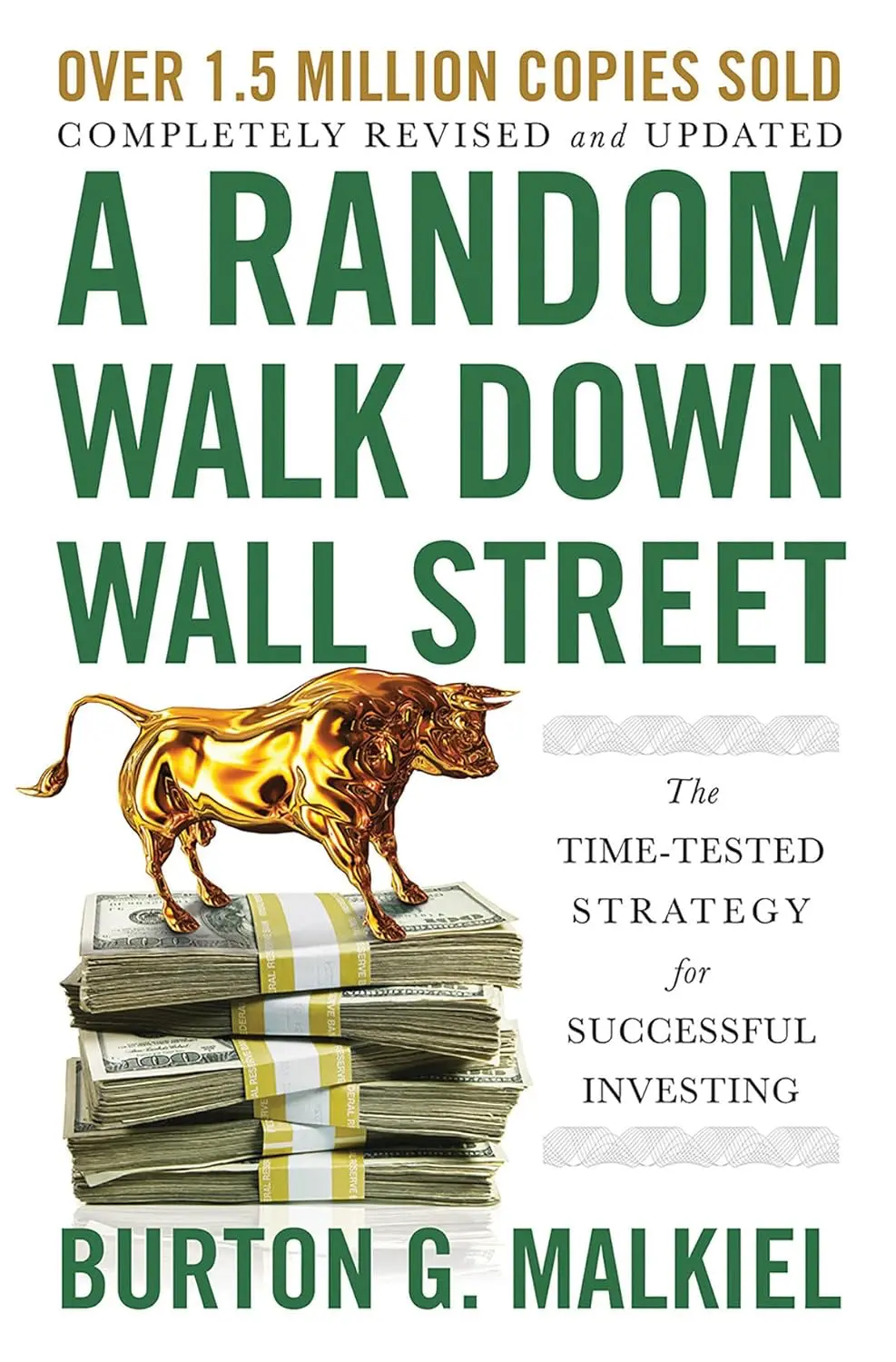
The core argument is the efficient market hypothesis: stock prices already reflect all available information, and therefore no analyst can consistently predict which stocks will outperform. Malkiel supports this with data showing that the vast majority of professional fund managers underperform a simple index fund over any extended period. The ones who do outperform in one period are not the same ones who outperform in the next, which suggests their success was luck, not skill.
Malkiel covers the history of market bubbles (tulip mania, the South Sea bubble, the dot-com crash) to show that irrational behavior in markets is not new and is not avoidable through analysis. He also reviews both technical analysis (trying to predict prices from chart patterns) and fundamental analysis (trying to find undervalued stocks through financial research) and finds that neither consistently beats the market.
His prescription is straightforward: buy low-cost index funds, diversify across asset classes, rebalance periodically, and avoid trying to time the market. This advice has been largely vindicated by subsequent research and by the growth of the index fund industry, which now manages trillions of dollars.
The writing is clear and accessible. Malkiel explains financial concepts without jargon and uses historical examples to make abstract points concrete. Each edition updates the data and adds material on new developments (cryptocurrency, ESG investing, robo-advisors).
For founders, the investing advice is practical if your wealth is concentrated in your company (as it usually is). Understanding diversification, index investing, and the limits of market prediction helps you manage whatever liquid wealth you accumulate outside the business.
At about 450 pages, the book is thorough. It reads well for a finance book. The 13th edition (2023) is the most current. The book has sold over 1.5 million copies and is routinely recommended as the single best book on personal investing.
