
Alexis Ohanian and Steve Huffman were University of Virginia seniors when they applied to Y Combinator in 2005 with a startup idea called My Mobile Menu, a service for ordering food by phone. Paul Graham rejected the idea but liked the founders enough to invite them back. Over a weekend, they pivoted to building a social news site. Reddit launched a few weeks later.
The site grew fast, partly because Ohanian and Huffman seeded it with their own posts under fake accounts to make it feel active, and partly because the community, once it reached critical mass, became self-sustaining. In October 2006, about a year after launch, Condé Nast acquired Reddit. Ohanian was 23.
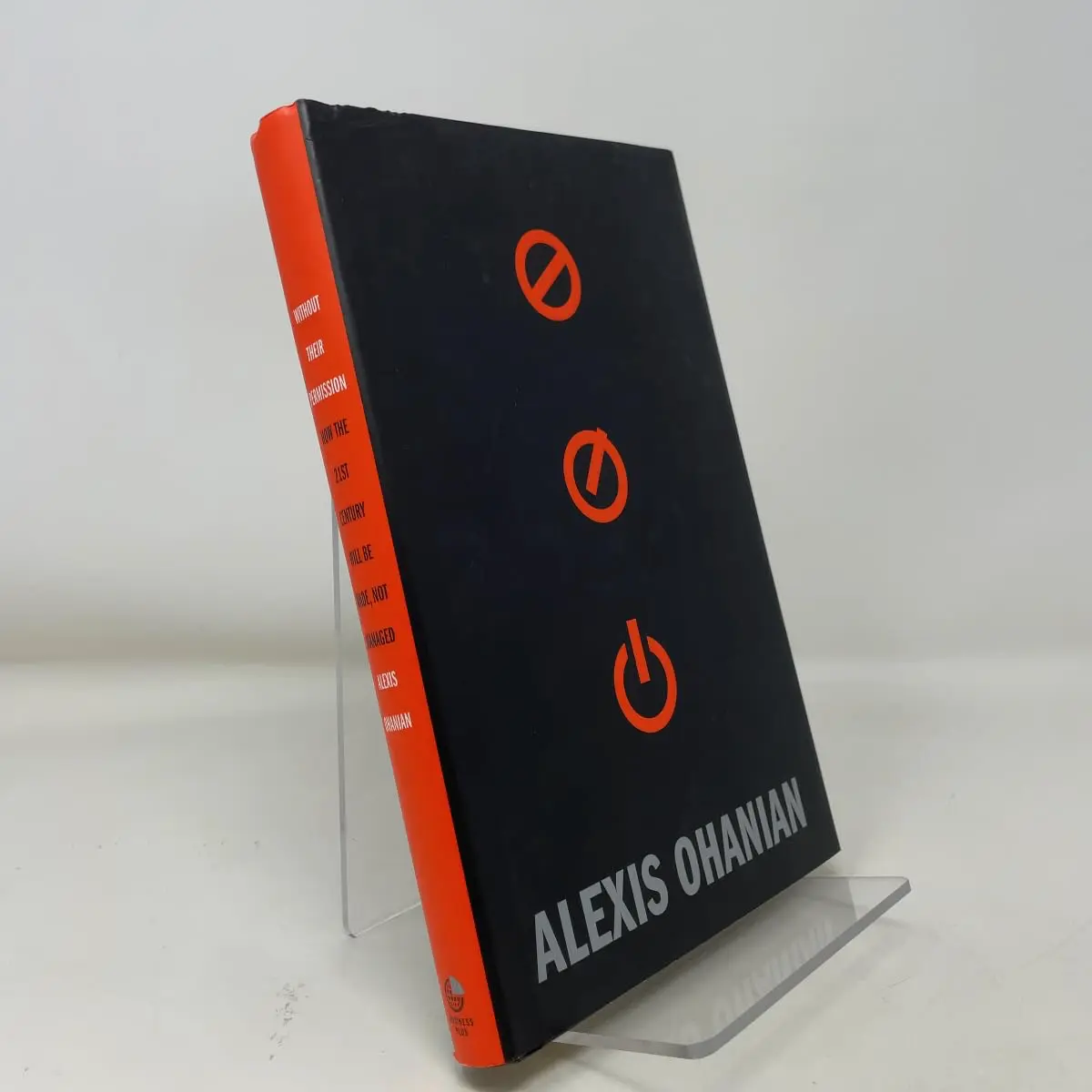
Without Their Permission tells this story with the energy of someone who still cannot quite believe it worked. Ohanian is not a technical co-founder. He did not write code for Reddit. He designed the logo (the alien mascot, Snoo), handled the marketing, and focused on community management. The book is honest about this division of labor, which makes it more useful for the many aspiring founders who are not engineers.
After Reddit, Ohanian went on to co-found Hipmunk (a travel search engine) and Breadpig (a social enterprise that publishes geeky products and donates the profits). He also became a partner at Y Combinator and invested in over sixty startups. The book covers these ventures briefly, but the real energy goes into two things: practical advice for internet entrepreneurs and the story of the fight against SOPA and PIPA.
The SOPA chapters are the most forceful part of the book. In 2011, the U.S. Congress introduced the Stop Online Piracy Act, which would have given private companies the power to shut down websites accused of hosting pirated content. Ohanian threw himself into the opposition campaign, lobbying Congress and rallying the tech community. On January 18, 2012, Wikipedia, Reddit, Google, and thousands of other sites went dark in protest. The bills were withdrawn. Ohanian treats this as a case study in what internet communities can accomplish when they mobilize.
The practical advice sections cover topics like how to validate an idea, how to build an audience, and how to think about hiring. The tone is informal, peppered with memes and doodles that Ohanian drew himself. Some readers find this charming. Others find it lightweight. The advice is real but tends toward the general: care deeply about your users, ship fast, stay scrappy.
Derek Sivers, the founder of CD Baby, and Tony Hsieh, the late CEO of Zappos, both endorsed the book. Marc Andreessen called it a cookbook for internet entrepreneurship. It was published in 2013, which gives it a time-capsule quality: the optimism about the open internet that Ohanian describes has aged differently than he probably expected, given what happened to online discourse in the years that followed.
