
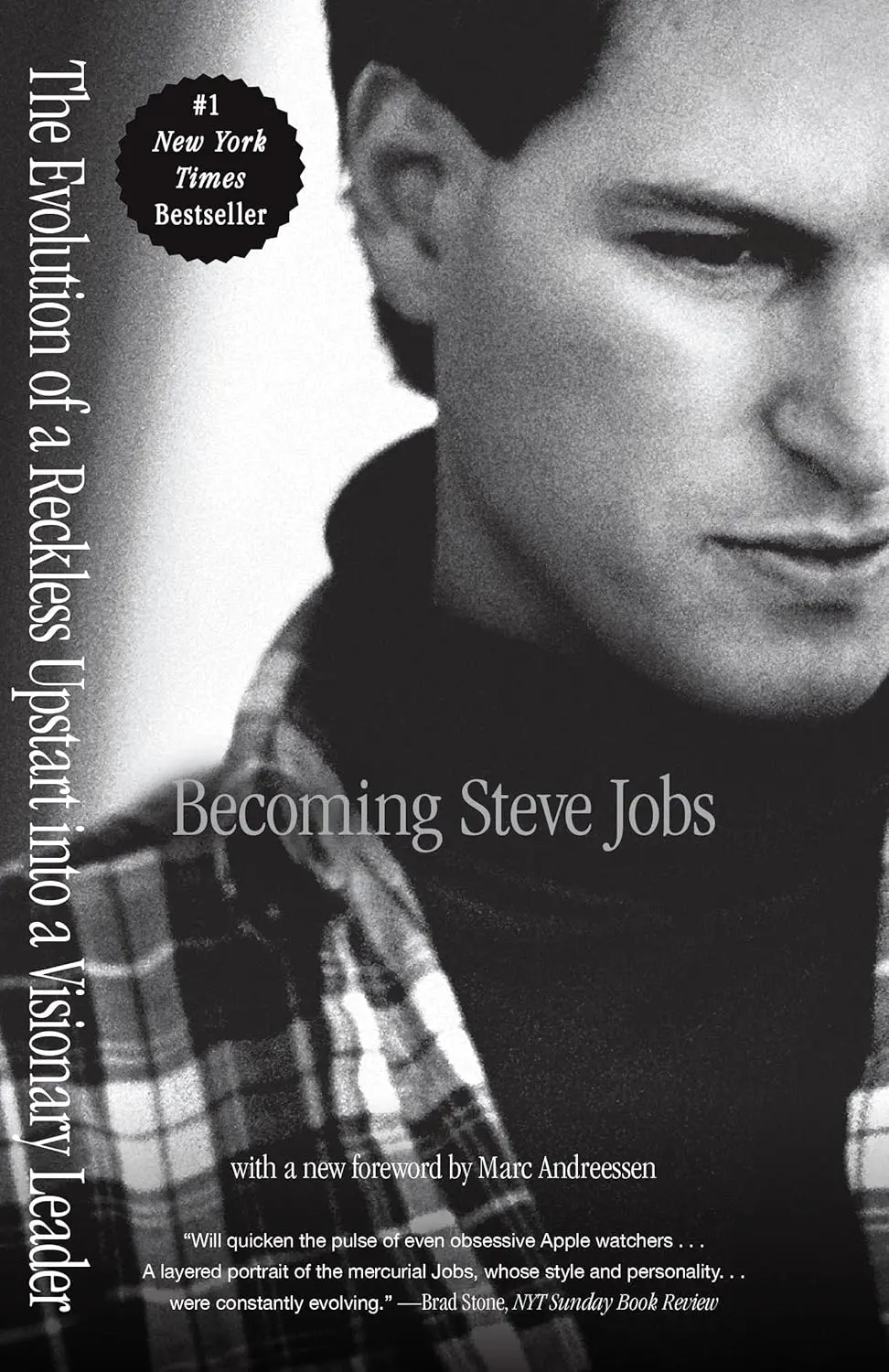
Becoming Steve Jobs was written partly as a corrective to the Walter Isaacson biography, which many people close to Jobs felt overemphasized his abrasive personality and underplayed his growth as a leader. Brent Schlender, who covered Jobs as a journalist for Fortune and the Wall Street Journal for over two decades, had a longer and more personal relationship with his subject than Isaacson did, and the book reflects that familiarity.
The central argument is in the subtitle: Jobs evolved. The young man who was fired from Apple in 1985 was talented but reckless, unable to manage people, prone to making enemies, and convinced that his instincts were always right. The man who returned to Apple in 1997 had learned from the failures at NeXT (which struggled commercially) and the successes at Pixar (which forced him to trust and support other people’s creative vision). The book traces this evolution in specific detail.
The NeXT and Pixar years get more attention here than in most Jobs biographies, and they’re the most interesting sections. At NeXT, Jobs learned what it felt like to build something that didn’t find a market, and how to hold a company together when results weren’t coming. At Pixar, he learned to work with John Lasseter and Ed Catmull, people whose creative expertise exceeded his own, and discovered that supporting other people’s talent rather than dominating them could produce better results.
For founders, the book’s most useful thread is about how leadership capacity develops over time. Jobs didn’t become a better leader by reading management books or attending seminars. He became better because he failed, reflected on the failure, and adjusted his behavior. The specifics of what he changed and why are more instructive than the general advice in most leadership books.
The writing benefits from Schlender’s personal knowledge of Jobs. Scenes that would be secondhand in another biography are rendered from direct experience here. The book is less comprehensive than the Isaacson biography (it spends less time on Apple’s founding and on Jobs’s personal life) but deeper on the question of character development. If you can only read one Jobs biography, this is arguably the better choice for founders specifically.
