
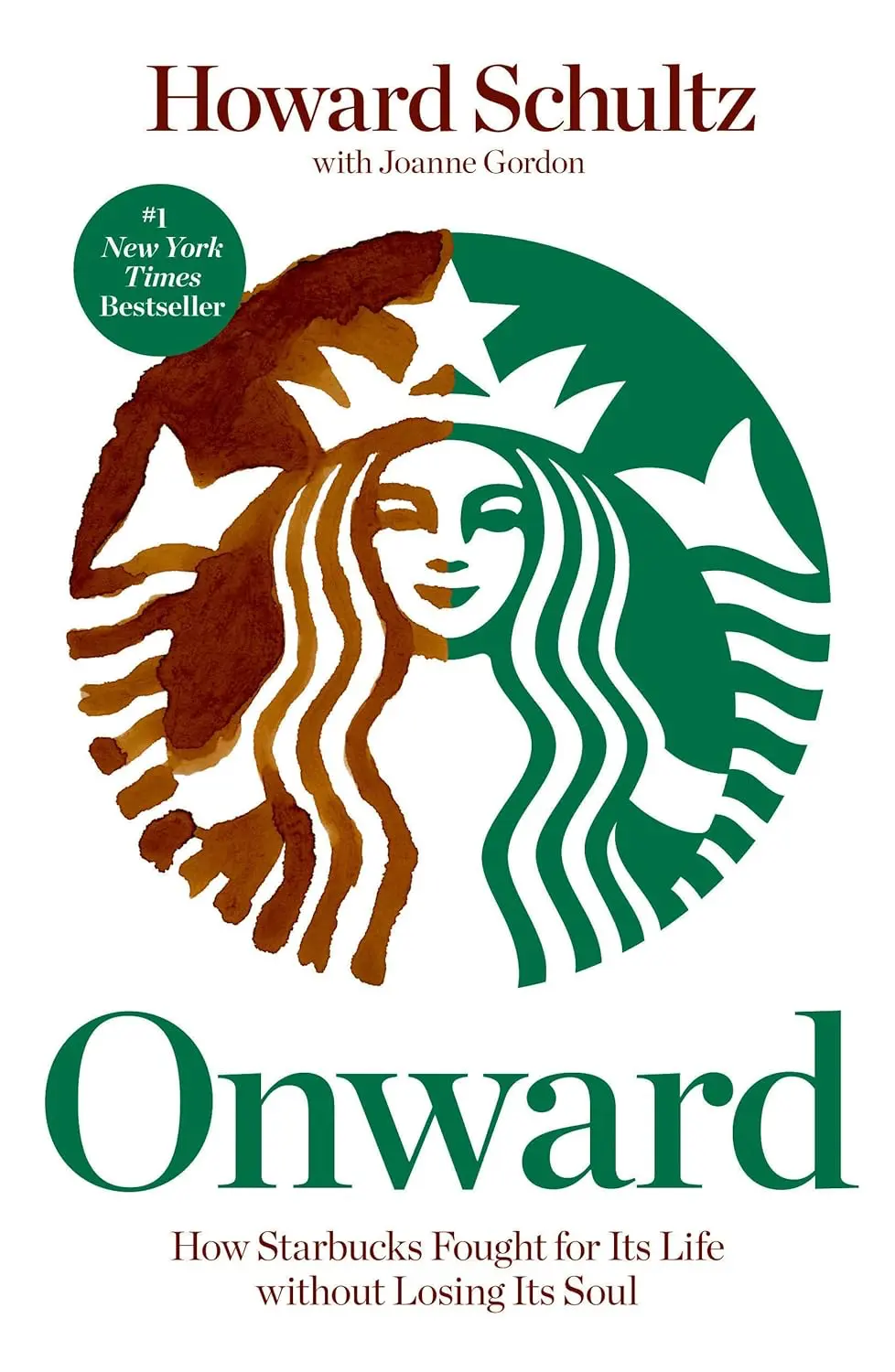
Onward picks up where Pour Your Heart Into It left off, covering the period from 2007 to 2010 when Starbucks nearly lost its way. After Schultz stepped down as CEO in 2000, the company continued to grow rapidly but began cutting corners: automated espresso machines replaced manual ones, stores lost their distinctive feel, and same-store sales started declining. Schultz returned as CEO in January 2008, just as the financial crisis was beginning.
The book is structured as a turnaround narrative. Schultz describes the specific decisions he made: closing 7,100 stores for a single afternoon to retrain every barista on how to pull a proper espresso shot, shutting down 600 underperforming locations, killing a warmed breakfast sandwich program that was ruining the smell of the stores, and investing in new technology while cutting costs elsewhere. Each decision is described in enough detail that you can understand the tradeoffs involved.
The financial crisis adds urgency to the story. Schultz was trying to fix internal problems while consumer spending was collapsing, the stock price was dropping, and analysts were questioning whether the company could survive. The pressure of managing both a turnaround and an economic crisis simultaneously makes the narrative more tense than a typical corporate memoir.
For founders, the most useful sections are about the tension between growth and quality. Schultz’s argument is that the very success of Starbucks contained the seeds of its decline: the faster it grew, the more it diluted the things that had made it special. His response was to slow down, invest in quality, and accept short-term pain for long-term recovery. That pattern, where rapid growth causes problems that require a painful reset, is one many growing companies face.
The writing is honest about the difficulty of the turnaround but also clearly shaped by Schultz’s perspective as the person making the decisions. Readers who have worked in Starbucks stores during this period might have a different view of some events. Still, as a case study in how to rescue a brand from its own success, the book is specific and useful.
