
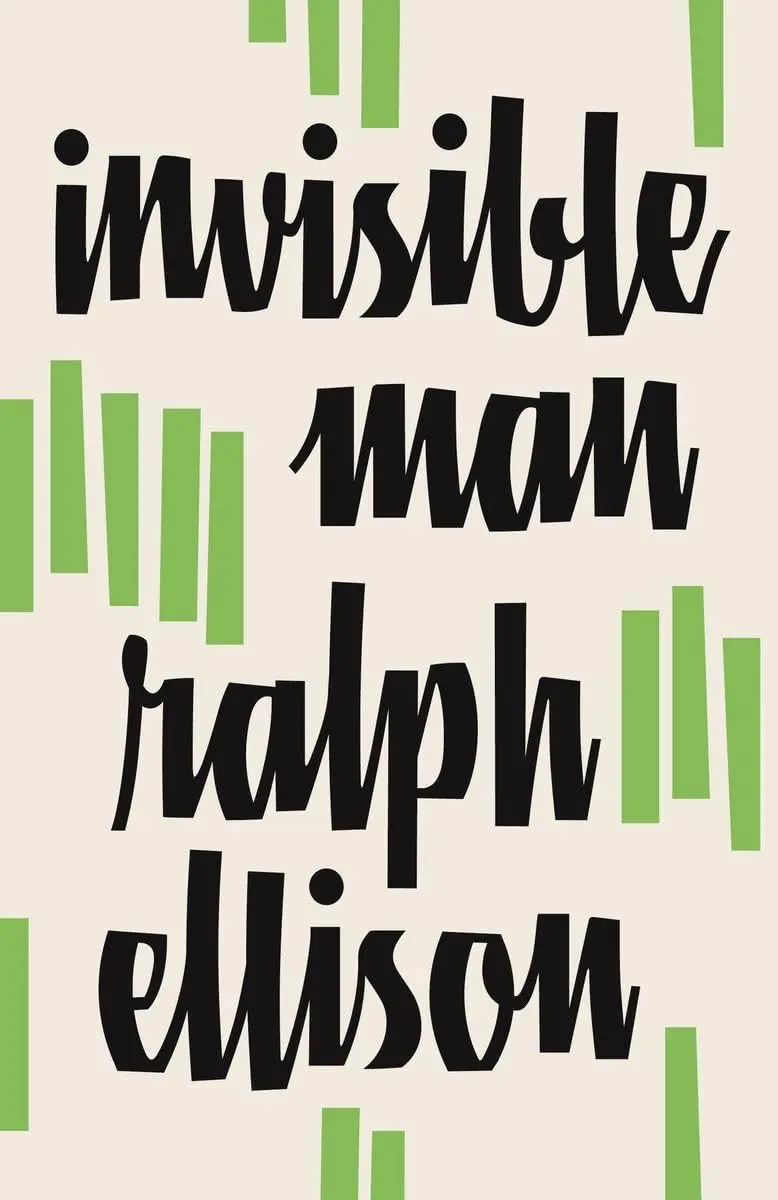
Invisible Man begins with its narrator declaring that he is invisible, not because of any physical quality but because other people refuse to see him. The novel then traces his journey from a Southern college, where he tries to be the perfect, compliant Black student, through a series of disillusionments in New York City, where he discovers that organizations claiming to help Black Americans are as willing to use him as instruments as the white institutions he left behind.
Ellison draws from multiple traditions. The Southern chapters have the rhythms of Black folk storytelling. The factory sections read like naturalist fiction. The Harlem chapters borrow from surrealism and expressionism. The novel’s style shifts as the narrator’s understanding of his situation deepens, which gives the book an unusual energy. It feels like it’s constantly changing shape.
The Brotherhood, a political organization the narrator joins in Harlem (modeled loosely on the Communist Party), is one of the novel’s most interesting sections. The narrator believes he has finally found a group that sees him as an individual, only to discover that the Brotherhood is as willing to use and discard him as everyone else. The political commentary is specific to its era but the dynamic, an idealistic person discovering that an organization values them only as a symbol, is timeless.
For founders and ambitious people, the book addresses something that business books never touch: the experience of being seen only as a function rather than as a whole person. The narrator is constantly being told who he should be, by his college president, by his employers, by political movements, and his struggle to define himself on his own terms is relevant to anyone who has felt reduced to a role.
The writing is technically brilliant. Ellison worked on the novel for seven years and it shows in the density of the prose and the precision of the structural choices. Some passages are intentionally disorienting, mirroring the narrator’s own confusion. The book demands attention but rewards it with some of the most powerful writing in American literature.
It won the National Book Award in 1953 and remains the only novel Ellison published in his lifetime.
