
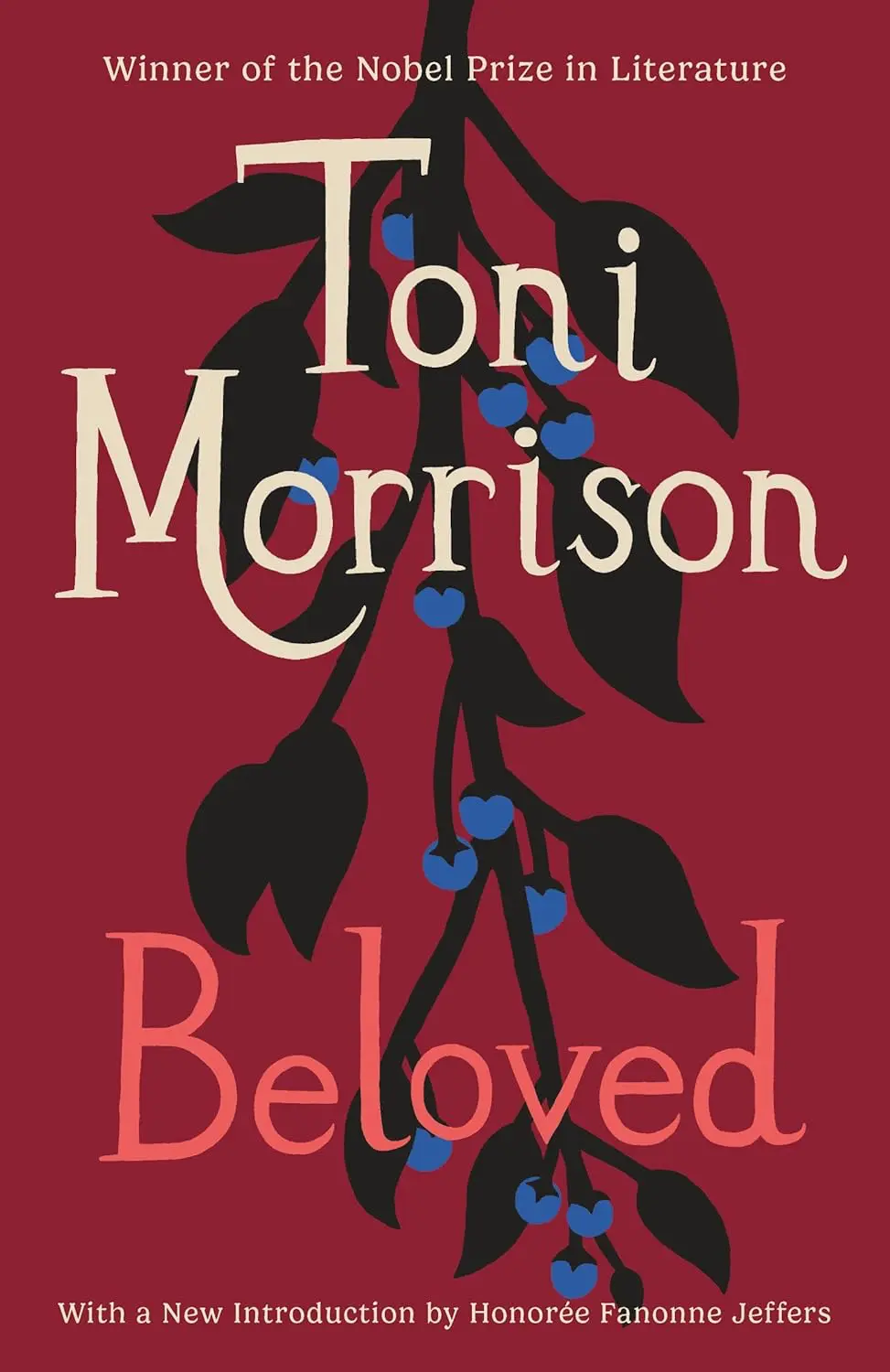
Beloved is set in 1873, eight years after the end of the Civil War. Sethe, a formerly enslaved woman, lives in a house in Cincinnati with her daughter Denver. The house is haunted, and everyone in the community knows it. When a mysterious young woman named Beloved appears on Sethe’s doorstep, the novel begins to circle around the central event that it takes most of the book to fully reveal: what Sethe did to protect her children from being returned to slavery, and why the community has not forgiven her for it.
Morrison’s prose is unlike anything else in American literature. She writes in fragments, loops, and associative jumps that mirror the way trauma is actually experienced: not as a linear story but as recurring intrusions of memory that can be triggered by a sound, a smell, or a word. The narrative shifts between characters and time periods without warning, and the reader has to piece the story together the way the characters piece together their own pasts.
The power of the novel comes from Morrison’s refusal to make slavery abstract. She writes about specific bodies, specific cruelties, specific choices made under conditions that no one should ever have to face. The scene at Sweet Home plantation, the scenes of escape, and the central act of violence that defines the book are all rendered with a specificity that makes them impossible to hold at a safe intellectual distance.
For any reader, the book is a confrontation with a part of American history that is often discussed in general terms but rarely imagined with this degree of honesty. It is not a comfortable read. Morrison intended it to be difficult in the way that the subject demands.
The book won the Pulitzer Prize in 1988 and was later named the best work of American fiction of the past 25 years in a New York Times survey. It reads best when you accept that you won’t understand everything on first pass and let Morrison’s prose carry you through the fragments until the full picture assembles itself.
