
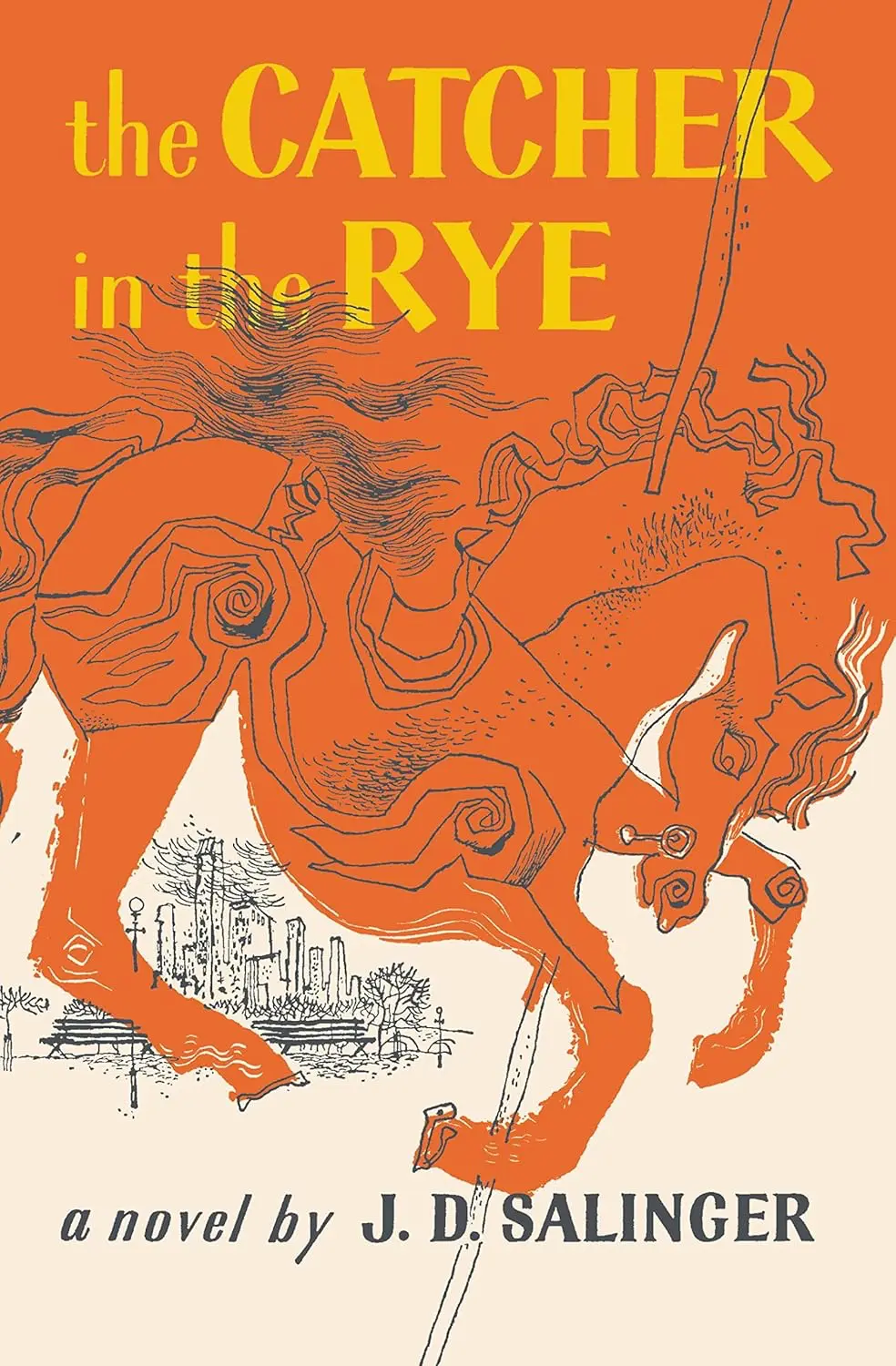
The Catcher in the Rye is narrated by Holden Caulfield, a sixteen-year-old who has just been expelled from his fourth boarding school. Instead of going home to face his parents, he spends a few days wandering around New York City, checking into a cheap hotel, visiting bars, calling old friends, and trying to figure out what is wrong with himself and with everyone else.
The novel’s power comes entirely from Holden’s voice. He is observant, funny, contradictory, and deeply unhappy. He calls things “phony” constantly, a word he applies to everything from his classmates’ social climbing to Hollywood movies to adult conversation. His disdain for inauthenticity is both his most sympathetic quality and his biggest blind spot, since he often can’t see the phoniness in his own behavior.
Salinger wrote the book in first person present tense, which gives it an immediacy that feels modern even seven decades after publication. Holden addresses the reader directly, digresses constantly, and circles back to topics he’s already covered, often revealing new details that change the meaning of earlier scenes. The structure mimics the way an agitated teenager actually talks.
The book doesn’t have a traditional plot. Holden wanders, gets into awkward situations, has conversations that don’t go anywhere, and gradually reveals the deeper grief and confusion underneath his cynical surface. The climactic scene involves his younger sister Phoebe and is surprisingly quiet for a book that has been both banned and assigned more than almost any other American novel.
For founders and ambitious readers, the book has indirect relevance. Holden’s struggle with authenticity, his inability to reconcile what he feels with what the world expects, and his sensitivity to the gap between what people say and what they mean are recognizable experiences for anyone trying to build something genuine in an environment that often rewards performance over substance.
The book is short and reads fast. Whether you love it or find Holden insufferable tends to depend partly on your age and partly on your tolerance for unreliable narrators. Either way, it’s a book that most serious readers should encounter at least once.
