
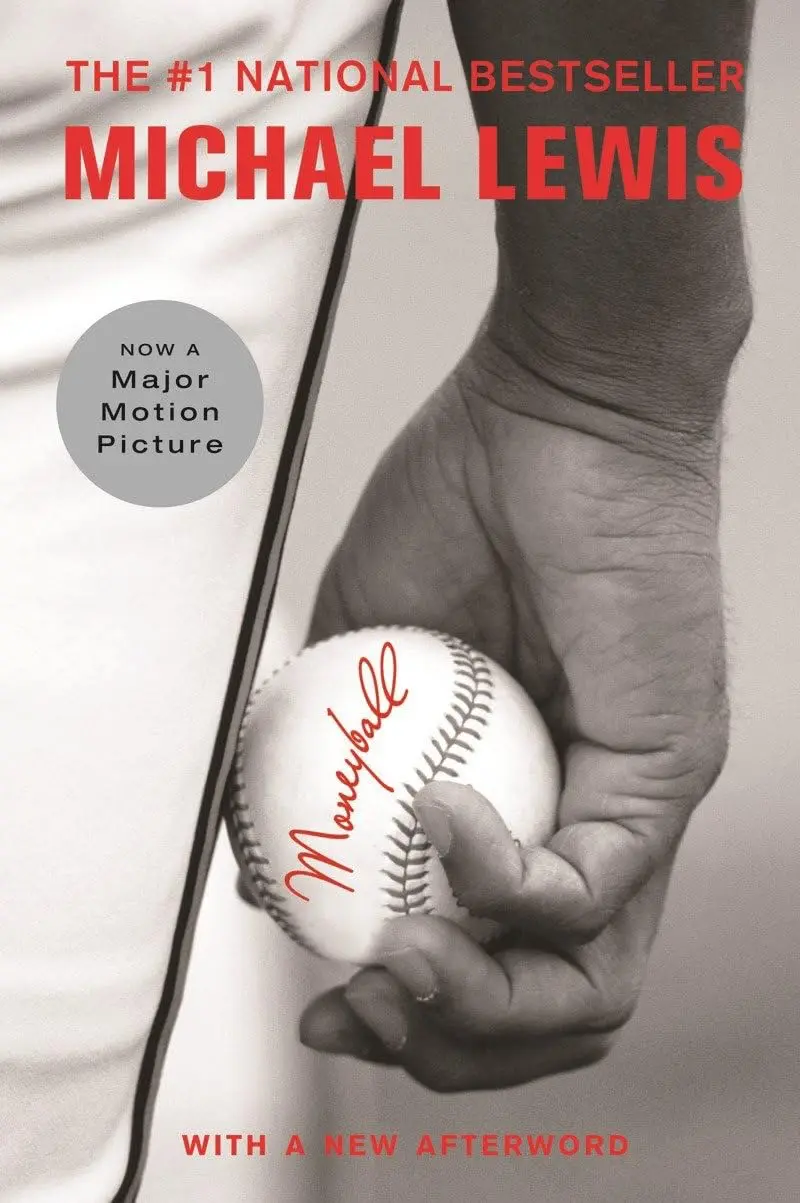
The Oakland A’s had a problem. Their payroll was about $40 million. The New York Yankees’ was about $125 million. If both teams evaluated players the same way, the A’s could never compete because the Yankees could always outbid them. General manager Billy Beane realized the only way to win was to evaluate players differently than everyone else.
Beane and his assistant, Paul DePodesta (a Harvard economics graduate), applied statistical analysis to baseball decisions. They found that the metrics the industry valued most (batting average, stolen bases, pitcher wins) were poor predictors of actual team performance. The metrics that mattered (on-base percentage, slugging percentage, walks) were undervalued by the market. So the A’s bought the undervalued players that nobody else wanted, and won.
Lewis uses this story to make a broader argument about market inefficiency. Baseball scouts had been evaluating players the same way for a century: watching them play and relying on subjective judgment about their body type, swing, and “tools.” This subjective evaluation produced systematic errors that statistics could identify and exploit.
The book also covers the resistance Beane faced from within his own organization. Scouts who had spent their careers developing judgment resented being told that a spreadsheet knew better. This cultural clash between traditional expertise and data-driven analysis is a recurring theme in every industry that has gone through a similar transformation.
For founders, Moneyball is a case study in finding competitive advantages by questioning the metrics everyone else uses. If your industry measures success using metrics that do not actually predict outcomes, there is an opportunity to use better metrics and outperform despite having fewer resources.
The book was adapted into a film starring Brad Pitt. At about 320 pages, it reads like a story rather than a statistics textbook. Lewis makes the analysis accessible by embedding it in characters and narrative. The “moneyball” approach has since been adopted across sports, business, and hiring.
