
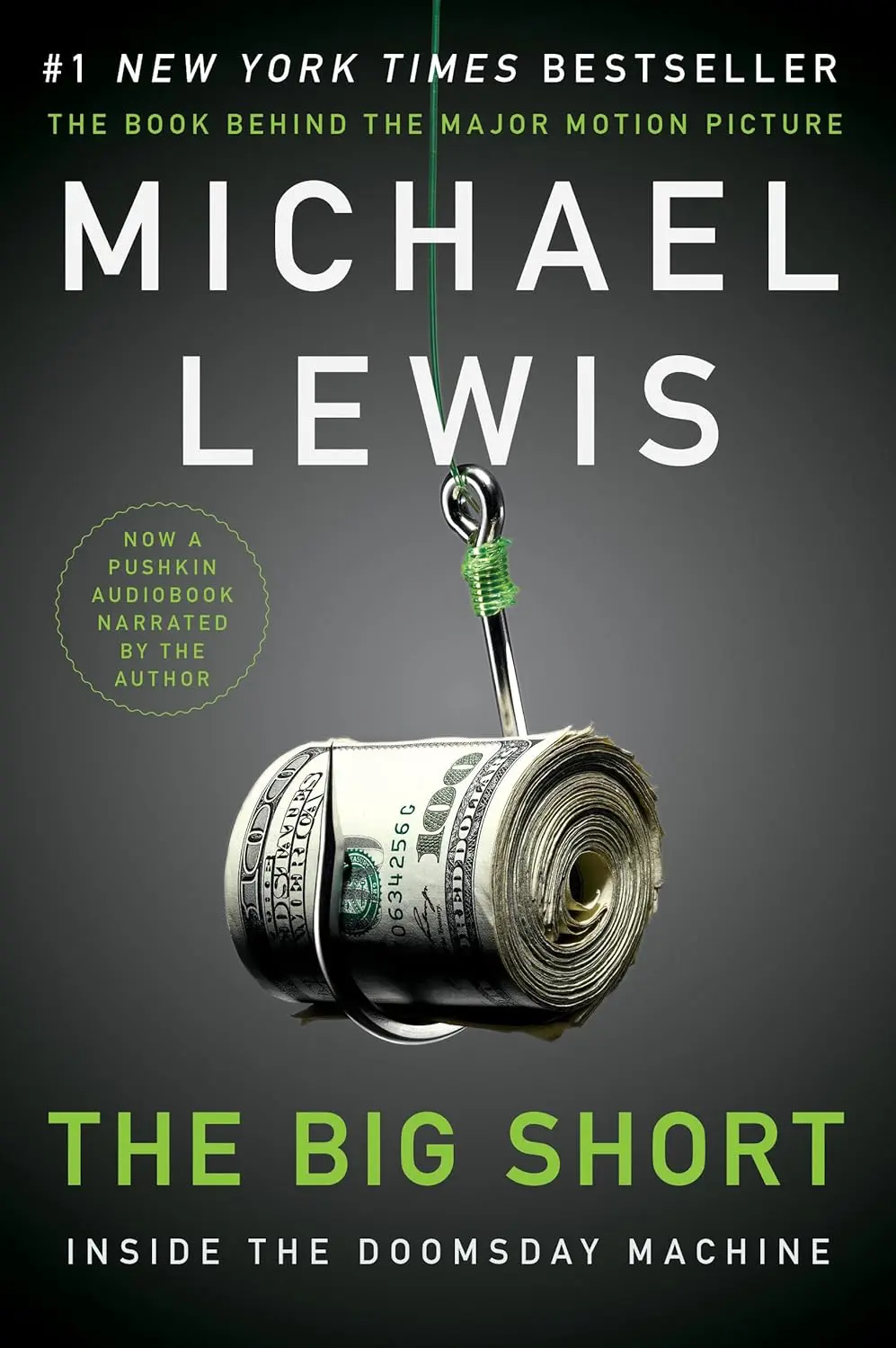
The Big Short follows several characters who recognized that the U.S. housing market was a bubble built on fraudulent lending, and who found ways to profit when it collapsed. Michael Burry, a one-eyed hedge fund manager with Asperger’s, read thousands of individual mortgage contracts and discovered that many were designed to default. Steve Eisman, a loud, abrasive investor, visited housing developments in Florida and realized the buyers could never afford the payments. The team at Cornwall Capital, two friends working out of a garage, found that the market was mispricing the risk of a housing crash by an absurd margin.
Lewis uses these characters to explain the mechanics of the crisis in a way that is accessible to non-financial readers. Collateralized debt obligations (CDOs), credit default swaps, synthetic CDOs, and the role of rating agencies are all explained through the experience of people who were trying to understand (or exploit) them in real time.
The broader picture that emerges is of a system where incentives were misaligned at every level. Mortgage brokers earned fees by originating loans, regardless of whether borrowers could repay. Banks earned fees by packaging those loans into securities. Rating agencies earned fees by stamping those securities as safe. And everyone along the chain had reasons to keep the machine running even as the underlying loans deteriorated.
The writing is Lewis at his best: fast, funny, and populated with characters who are smart enough to see what nobody else can see and odd enough to be willing to bet on it.
For founders, the book is a case study in systemic risk, misaligned incentives, and the value of independent analysis. The people who profited from the crisis were the ones who did their own research rather than trusting the consensus.
At about 290 pages, the book reads like a thriller. It was adapted into a film starring Christian Bale, Steve Carell, and Ryan Gosling. The movie is good, but the book explains the financial mechanics more thoroughly.
