
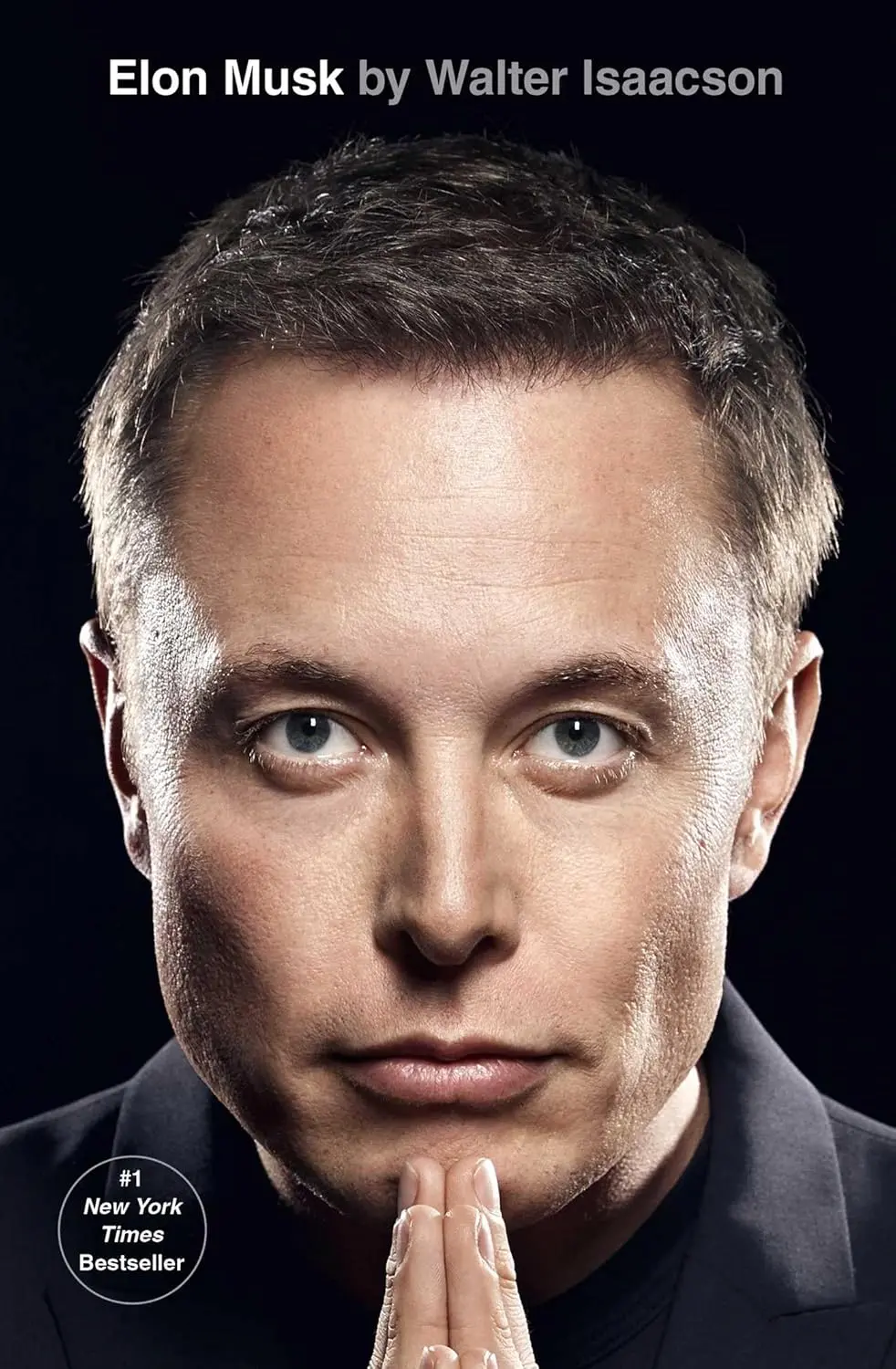
Isaacson followed Musk for two years, attending meetings, sitting in on phone calls, and interviewing over 100 people in Musk’s orbit. The resulting biography covers his childhood in South Africa (including a violent father and severe bullying), his early companies (Zip2, PayPal), and his leadership of Tesla, SpaceX, Neuralink, The Boring Company, and the acquisition of Twitter.
The book’s strength is its access. Isaacson was present for events that other biographers could only reconstruct from secondhand accounts. He watched Musk fire executives, berate engineers, sleep on factory floors during production crises, and make decisions that swung between brilliance and recklessness within the same day.
Isaacson identifies a recurring pattern he calls “demon mode,” periods where Musk becomes aggressive, paranoid, and destructive, often in response to stress or perceived disloyalty. These episodes produce both his worst behavior (public attacks on employees, erratic decision-making at Twitter) and some of his best results (pushing SpaceX through seemingly impossible engineering challenges by refusing to accept “no” from anyone).
The question the book raises without fully resolving is whether Musk’s dysfunction and his productivity are separable. Could someone achieve what he has achieved at Tesla and SpaceX without the volatility that makes him difficult and sometimes harmful to the people around him? Isaacson presents the evidence and lets the reader decide.
For founders, the biography is a complex case study. The sections on SpaceX’s early days, when the company was three launches from bankruptcy and Musk was sleeping at the factory, are genuinely instructive about persistence under extreme pressure. The Twitter acquisition sections are instructive in a different way: a study in what happens when someone with enormous resources and poor judgment acts impulsively.
At about 670 pages, the book is long. Isaacson’s writing is clear and chronological. The biography has drawn criticism from some who feel Isaacson is too sympathetic to Musk and from others who feel he is too critical. That split probably means the portrait is close to accurate.
