
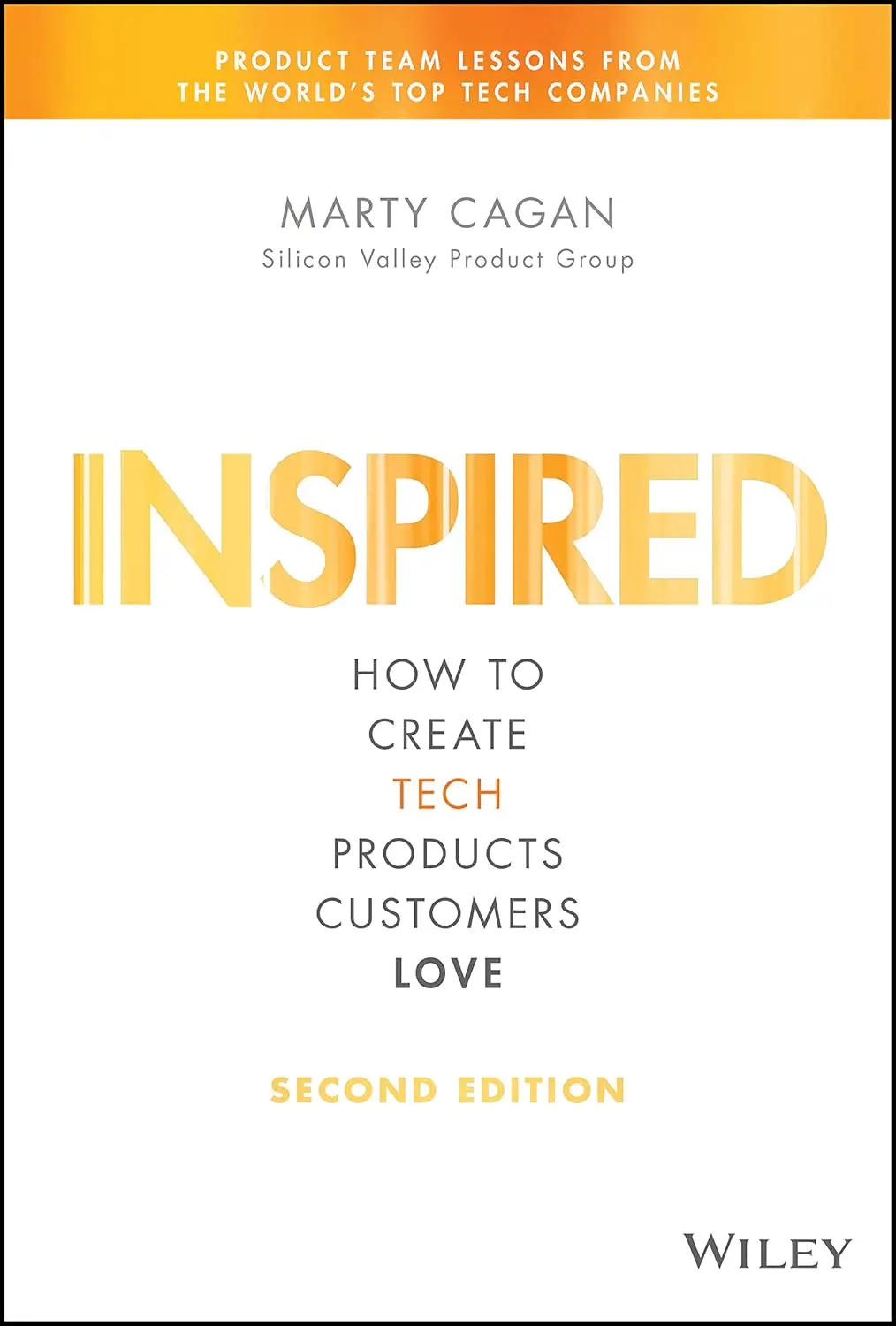
Cagan’s central argument is that the way most companies build products is broken. The typical process goes: stakeholders decide what to build, they hand requirements to engineering, engineering builds it, and then everyone discovers that customers do not want it. Cagan calls this the “waterfall” approach to product, and he has spent decades fighting against it.
The alternative he proposes involves empowered product teams (small, cross-functional groups with a product manager, designer, and engineers) that are given problems to solve rather than features to build. The product manager’s job is to discover what to build through rapid prototyping and testing before committing engineering resources. The team is accountable for outcomes (did customers use it? did it move a business metric?) rather than output (did you ship the features on the roadmap?).
The book covers the roles within a product team in detail: what a product manager should actually do (hint: it is not project management), how designers and engineers should be involved in discovery (not just delivery), and why the product trio (PM, designer, tech lead) working closely together produces better results than handoffs between departments.
Cagan also covers techniques for product discovery: opportunity assessments, story mapping, customer interviews, prototyping, and A/B testing. He is specific about which techniques apply to which types of risk (value risk, usability risk, feasibility risk, business viability risk).
For founders, this book is relevant when you are ready to build a product team beyond yourself. It answers questions like: what should my first product manager actually do? How do I structure the team? How do I keep product decisions evidence-based as the company grows?
At about 370 pages, the book is comprehensive. The second edition (2017) updates the original with examples from more recent companies. Cagan writes from deep experience and is direct about what works and what does not. The book is widely read among product managers and is often the first book recommended to anyone entering the field.
