
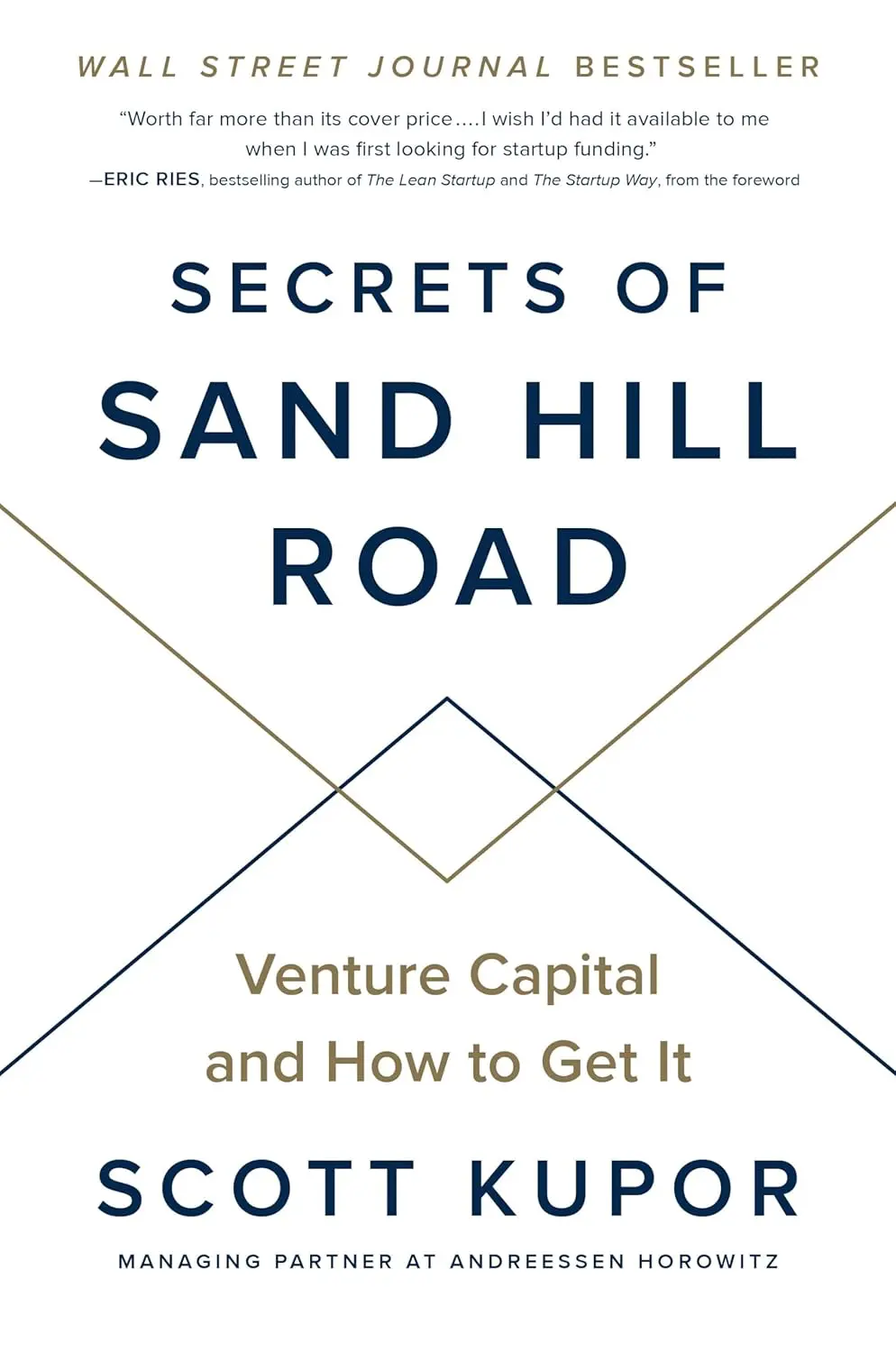
Most founders interact with VCs without understanding how the VC business model works. Kupor’s book fills that gap. He explains the full cycle: how VCs raise money from limited partners (pension funds, endowments, wealthy individuals), how fund economics create specific incentive structures, why VCs need to find outlier returns (not just good returns), and how all of this shapes the decisions they make about which companies to fund.
The term sheet section is the most immediately useful for founders raising capital. Kupor walks through each clause: pre-money valuation, liquidation preferences, anti-dilution protection, board composition, protective provisions, and pro-rata rights. He explains not just what each clause means but why VCs ask for it and what the practical implications are for the founder. This is information that many founders learn the hard way or not at all.
The book also covers board dynamics (how to run a board meeting, when to add independent directors, how to handle disagreements with investors), the IPO process, and what happens when things go wrong (down rounds, bridge financing, CEO replacement).
Kupor writes from the VC side, which means the perspective is not neutral. He is honest about this. Some of the advice naturally favors the investor’s position. But even with that bias, the information is more useful than going in blind.
For founders, this is one of the most practical books available on the mechanics of venture financing. If you are raising a Series A or later round, reading this book before you start will save you from agreeing to terms you do not understand and help you negotiate from a more informed position.
At about 310 pages, the book is clearly written and well-organized. The legal and financial terminology is explained in plain language. It reads best when you are actually preparing to raise, because the specific details stick better when they are immediately relevant.
