
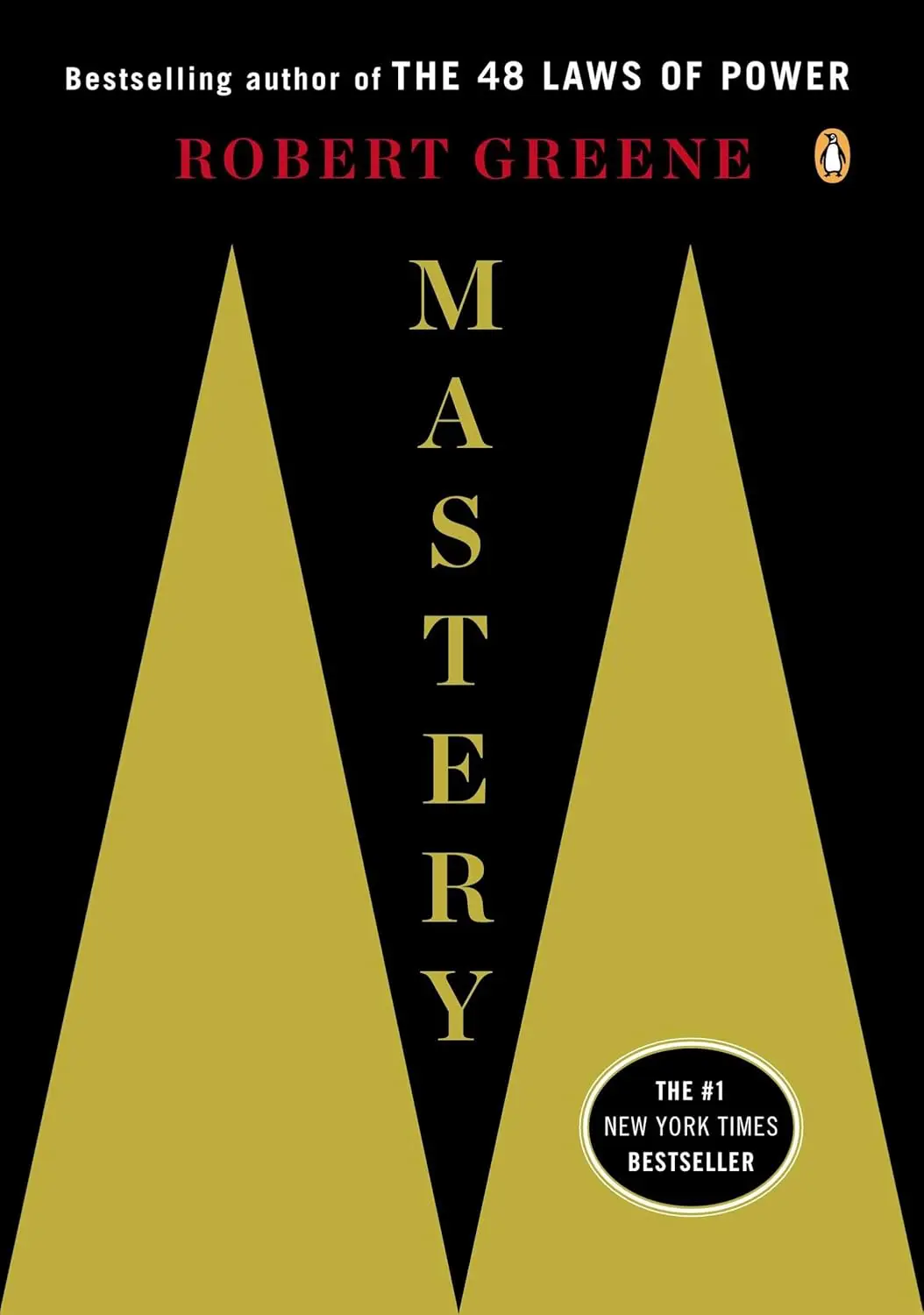
Mastery is Greene’s attempt to reverse-engineer excellence. He studies figures like Darwin, Mozart, Benjamin Franklin, and contemporary examples like Cesar Rodriguez (a fighter pilot), Santiago Calatrava (an architect), and Paul Graham (a programmer and startup investor) to identify what they did differently during the years before their breakthroughs.
The book identifies three phases. The Apprenticeship Phase is about immersing yourself in a field, learning its rules, and developing technical proficiency through repetition. Most people rush through this or skip it entirely. Greene argues that the apprenticeship, which can last 5-10 years, is where the foundation for later creativity is built. The Creative-Active Phase begins when you have enough skill to start combining ideas in original ways. You are not just following rules anymore; you are bending them. The Mastery Phase is when skill becomes so internalized that it operates intuitively. The master sees patterns that others cannot, not because of talent but because of accumulated experience.
Greene also covers mentorship (finding someone who can shorten your apprenticeship by showing you what matters) and social intelligence (the ability to navigate political dynamics without losing focus on your work). He argues that many talented people fail not because they lack skill but because they cannot manage relationships with colleagues, patrons, or competitors.
The writing style is similar to Greene’s other books: densely researched, anecdote-heavy, and organized around principles illustrated by historical examples. At about 350 pages, it is more focused than The 48 Laws of Power and less combative in tone.
For founders, the most useful idea is about patience during the apprenticeship phase. The pressure to produce results quickly, to launch, to scale, can work against the deeper learning that produces lasting ability. Greene makes the case that the years you spend getting good at something are not wasted time. They are the only time that matters.
Ryan Holiday, James Clear, and Tim Ferriss have recommended it. The book works as a companion piece to Outliers, covering similar territory from a more historical and personal angle.
